Bill · S. 2912· Senate(119-S-2912)
Deceptive Practices and Voter Intimidation Prevention Act of 2025
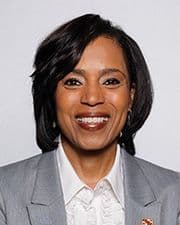
- Introduced
- 9/18/2025
- Last activity
- 9/18/2025 — Read twice and referred to the Committee on the Judiciary.
- Sponsored by
- Angela Alsobrooks
- Cosponsors
- - 8 - 0
- Introduced
- In Committee
What this bill would do
The Deceptive Practices and Voter Intimidation Prevention Act of 2025 aims to stop people from using false information to keep others from voting in Federal elections. It prohibits the use of deceptive communications and generative artificial intelligence to spread lies about election times, locations, and voter eligibility. The bill creates criminal penalties, including fines and prison time, for those who intentionally hinder or interfere with voting and registration. It also allows aggrieved individuals and election officials to take civil action for relief. Additionally, the Attorney General is authorized to provide corrective information to the public when false information is spread and state and local officials fail to act.
Yes· 3 of 24
Does this protect the right to vote?+10
Directly prohibits deceptive communications and AI-generated lies intended to prevent people from voting.
Would Black Americans be better off under this?+9
Specifically addresses historical and current deceptive practices targeting Black voters.
Would Hispanic Americans be better off under this?+9
Protects Latino communities from deceptive communications regarding eligibility and registration.
The opposite
Does this leave more decisions to the states?-3
Introduces federal oversight and penalties that may override local election management preferences.
Does this protect what people are allowed to say in public life?-2
Criminalizes certain forms of speech, though targeted at intentionally false information to hinder voting.
Does this protect the individual right to speak freely?-2
Imposes criminal penalties on certain types of political communication deemed deceptive.
Who it would affect, and how
Potential Positive Impacts for People
-
Protection against disinformation: The bill prohibits the communication of materially false information regarding the time, place, manner, and eligibility of voting, which helps ensure citizens are not tricked into staying home or voting incorrectly (Section 3(a)).
-
Combatting AI misuse: It specifically bans the use of generative artificial intelligence to produce false information intended to prevent people from exercising their right to vote (Section 3(a)).
-
Legal recourse for voters: Individuals harmed by these deceptive practices can now sue for preventive relief, such as injunctions, and may be awarded attorney's fees (Section 3(b)).
-
Federal corrective action: If local officials fail to fix a spread of false information, the Attorney General can step in to provide the public with accurate, objective information to clear up confusion (Section 4(a)).
-
Protection for election workers: The bill makes it a crime to intimidate those processing, scanning, tabulating, canvassing, or certifying voting results (Section 7).
Potential Negative Impacts for People
- Criminal penalties: Individuals found guilty of deceptive acts or hindering voting may face fines and imprisonment for up to one year (Section 3(c)).
Groups and Interests Ranking
Every group the model scored this bill for, from -10 to +10. Hover a score for the reason it gave.
- Demographic And Interest Groups
- Good For African Americans+9Good For Hispanic Americans+9Good For Native Americans+8Good For Asian Americans+7Good For Immigrants+6Good For Low Income Households+6Good For Students+6Good For High Income Households+5Good For Middle Aged+5Good For Middle Class Households+5Good For Retirees+5Good For Rural Residents+5Good For Seniors+5Good For Urban Residents+5Good For White Americans+5Good For Young Adults+5
- Social Issues And Justice
- Improves Voting Rights+10Improves Voting Access+9Improves Racial Equity+8Improves Freedom Of Speech-2
- Governance And Ideology
- Improves Electoral Process+9Increases Federal Power+5Improves Government Transparency+4Increase States Rights-3Improves Freedom Of Speech-2
- National Security And Foreign Policy
- Improves Cybersecurity Defense+4
- Education And Technology
- Increases Big Tech Regulation+3
- 9/18/2025
- Read twice and referred to the Committee on the Judiciary.
- 8 Cosponsors added.
- Introduced in Senate
One bill Congress.gov lists as related to this one — companions in the other chamber, earlier versions, and bills this one absorbed or was folded into.
 Richard Blumenthal
Democrat · Connecticut
 Maria Cantwell
Democrat · Washington
 Kirsten Gillibrand
Democrat · New York
 Mazie Hirono
Democrat · Hawaii
 Jeff Merkley
Democrat · Oregon
 Alex Padilla
Democrat · California
 Adam Schiff
Democrat · California
 Chris Van Hollen
Democrat · Maryland