Bill · S. 2205· Senate(119-S-2205)
Equal Representation Act
- Introduced
- 6/29/2025
- Last activity
- 6/29/2025 — Read twice and referred to the Committee on Homeland Security and Governmental Affairs.
- Sponsored by
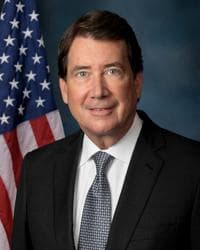
- Bill Hagerty
- Cosponsors
- - 20 - 0
- Introduced
- In Committee
What this bill would do
The Equal Representation Act aims to change how the population is counted and how political power is distributed. It requires the decennial census to include a checkbox asking if respondents and their household members are United States citizens. This bill also mandates that the Secretary make the number of citizens and noncitizens in each State public after the census. Furthermore, it changes the rules for apportioning Representatives and Electoral votes so they are based on the number of citizens rather than all individuals. These changes would apply to the 2030 census and all future decennial censuses.
Yes· 3 of 4
Does this make elections run better?+5
The bill increases political transparency by providing specific data on citizen vs noncitizen populations.
Does this make what the government does easier for the public to see?+5
It mandates public reporting of citizenship statistics by State.
Would people in rural areas be better off under this?+4
Rural areas often have higher proportions of citizens, potentially gaining more relative political influence.
The opposite· 3 of 5
Would immigrants be better off under this?-7
The bill targets noncitizens for exclusion from political apportionment and requires disclosure of status.
Would Hispanic Americans be better off under this?-6
The focus on citizenship status often disproportionately affects communities with higher immigrant populations.
Would households on low incomes be better off under this?-5
Redistributing political power away from populations with more noncitizens could reduce their political influence.
Who it would affect, and how
Potential Positive Impacts for People
-
Increased Transparency of Population Data: The bill requires the Secretary to make the number of citizens and noncitizens per State publicly available within 120 days after the census is completed (Section 2). This provides specific, disaggregated data to the public regarding the citizenship makeup of each State.
-
Changes to Political Apportionment: The bill modifies the way Representatives and Electoral votes are distributed by excluding noncitizens from the count used for apportionment (Section 3). This shifts the basis of representation to be based on the number of United States citizens.
Potential Negative Impacts for People
- Increased Burden of Census Questionnaires: The bill requires the Secretary to include a checkbox or similar option for respondents to indicate the citizenship status of themselves and every member of their household (Section 2).
Groups and Interests Ranking
Every group the model scored this bill for, from -10 to +10. Hover a score for the reason it gave.
- Demographic And Interest Groups
- Good For Rural Residents+4Good For White Americans+3Good For Immigrants-7Good For Hispanic Americans-6Good For Low Income Households-5Good For Urban Residents-5
- Governance And Ideology
- Improves Electoral Process+5Improves Government Transparency+5Improves Privacy Rights-3
- 11/19/2025
- 1 Cosponsor added.
- 10/16/2025
- 1 Cosponsor added.
- 6/29/2025
- Read twice and referred to the Committee on Homeland Security and Governmental Affairs.
- 18 Cosponsors added.
- Introduced in Senate
2 bills Congress.gov lists as related to this one — companions in the other chamber, earlier versions, and bills this one absorbed or was folded into.
 Ted Budd
Republican · North Carolina
 Katie Britt
Republican · Alabama
 Mike Crapo
Republican · Idaho
 Kevin Cramer
Republican · North Dakota
 Steve Daines
Republican · Montana
 John Hoeven
Republican · North Dakota
 Ron Johnson
Republican · Wisconsin
 James Justice
Republican · West Virginia
 Cynthia Lummis
Republican · Wyoming
 James Lankford
Republican · Oklahoma
 Mike Lee
Republican · Utah
 Roger Marshall
Republican · Kansas
 David McCormick
Republican · Pennsylvania
 Ashley Moody
Republican · Florida
 James Risch
Republican · Idaho
 Pete Ricketts
Republican · Nebraska
 Rick Scott
Republican · Florida
 Eric Schmitt
Republican · Missouri
 Tim Sheehy
Republican · Montana
 Tommy Tuberville
Republican · Alabama