Bill · S. 2129· Senate(119-S-2129)
SAFE Tax Filing Act of 2025
- Introduced
- 6/18/2025
- Last activity
- 6/18/2025 — Read twice and referred to the Committee on Finance.
- Sponsored by
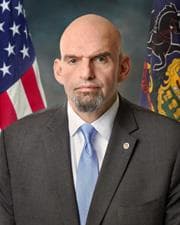
- John Fetterman
- Cosponsors
- - 1 - 3
- Introduced
- In Committee
What this bill would do
This bill, known as the "SAFE Tax Filing Act of 2025," aims to amend the Internal Revenue Code of 1986. It allows certain individuals to be treated as unmarried for tax purposes if they are survivors of domestic abuse or spousal abandonment. To qualify, the individual must be living apart from their spouse by the last day of the taxable year and indicate their status on their tax return. This election is made at the individual's discretion and is effective only for the specific taxable year for which it is made. The bill defines domestic abuse broadly and includes provisions for those facing spousal abandonment.
Yes· 3 of 7
Would women be better off under this?+5
As domestic abuse disproportionately affects women, this tax relief provides critical economic support for survivors.
Does this narrow the gap between how men and women are treated?+5
The bill provides financial relief and filing flexibility that specifically benefits survivors of domestic abuse, which disproportionately affects women.
Would households on low incomes be better off under this?+3
The provision allows for potential tax savings through Head of Household status, which is beneficial for low-income individuals.
The opposite
No question was scored the opposite.
Who it would affect, and how
Potential Positive Impacts for People
-
Tax Filing Flexibility for Survivors: Individuals who are survivors of domestic abuse or spousal abandonment can elect to be treated as not married, which allows them to file as unmarried or heads of households (Section 2(a)(2)(A)).
-
Broad Definition of Abuse: The bill recognizes that domestic abuse includes physical, psychological, sexual, emotional, or economic abuse, as well as efforts to control, isolate, or intimidate a survivor (Section 2(a)(2)(C)(i)).
-
Protection for Family Members: The definition of abuse can include actions taken against a survivor's child or another family member living in the household, which may benefit the entire family unit (Section 2(a)(2)(C)(i)).
-
Relief for Abandoned Spouses: Individuals who are unable to locate their spouse after reasonable diligence can be treated as survivors of spousal abandonment (Section 2(a)(2)(C)(ii)).
Potential Negative Impacts for People
-
No Change in Spouse's Status: While the electing individual is treated as unmarried, this change has no effect on how the spouse is treated, meaning the spouse is still considered married (Section 2(a)(3)).
-
Requirement for Election: The change in status is not automatic; the individual must specifically elect the treatment and indicate their status on their tax return (Section 2(a)(2)(A)).
-
Time-Limited Effectiveness: An election made by an individual is only effective for the specific taxable year for which it was made (Section 2(a)(2)(B)).
Groups and Interests Ranking
Every group the model scored this bill for, from -10 to +10. Hover a score for the reason it gave.
- Demographic And Interest Groups
- Good For Women+5Good For Low Income Households+3Good For Middle Class Households+2Good For Children+1
- Social Issues And Justice
- Improves Gender Equality+5Improves Poverty Reduction+2
- Economy And Finance
- Reduces Middle Class Taxes+3
- 6/23/2026
- 1 Cosponsor added.
- 6/18/2025
- Read twice and referred to the Committee on Finance.
- 3 Cosponsors added.
- Introduced in Senate
 John Cornyn
Republican · Texas
 Catherine Cortez Masto
Democrat · Nevada
 Joni Ernst
Republican · Iowa
 Roger Marshall
Republican · Kansas