Bill · S. 2076· Senate(119-S-2076)
HCBS Relief Act of 2025
- Introduced
- 6/12/2025
- Last activity
- 6/12/2025 — Read twice and referred to the Committee on Finance.
- Sponsored by
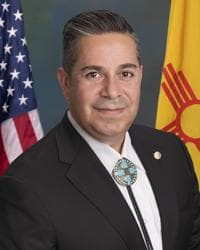
- Ben Luján
- Cosponsors
- - 18 - 0
- Introduced
- In Committee
What this bill would do
This bill temporarily boosts federal funding to State Medicaid programs for home and community-based services during fiscal years 2026 and 2027. Participating states will receive a 10 percentage point increase in their federal medical assistance percentage, capped at 95 percent. States must apply for these funds and assure they will be spent by September 30, 2029. The money is intended to improve worker pay, expand services, and clear waiting lists for eligible individuals. States must also report on their spending and outcomes by the end of 2029.
Yes· 3 of 13
Would people with disabilities be better off under this?+8
The bill focuses on providing essential community-based services for people with disabilities.
Does this put more money into Medicaid, the health coverage for people on low incomes?+8
The bill increases the Federal medical assistance percentage by 10 points for Medicaid HCBS.
Does this expand the rights of people with disabilities?+8
The bill enhances community integration and supports services for individuals with disabilities.
The opposite
No question was scored the opposite.
Who it would affect, and how
Potential Positive Impacts for People
-
Section 2(a)(1) increases federal medical assistance percentages for participating states by 10 percentage points for home and community-based services during fiscal years 2026 and 2027. This brings more federal dollars to states to support care programs for people who need assistance at home.
-
Section 2(d)(2)(A) and Section 2(d)(2)(B) allow states to increase reimbursement rates for home health agencies and direct support professionals, provided that the workers receive increased compensation, paid sick leave, paid family leave, and paid medical leave. This directly benefits frontline workers by boosting their pay and job benefits.
-
Section 2(d)(2)(E) allows states to provide home and community-based services to eligible individuals who are currently stuck on waiting lists for approved programs. This helps individuals gain timely access to the care they need.
-
Section 2(d)(2)(Q) assists eligible individuals who had to move into nursing facilities or institutional settings by paying for moving costs, first month's rent, and other start-up expenses so they can move back to their homes. This supports personal independence and community living.
-
Section 2(d)(2)(I) supports family care providers by funding needed supplies, equipment, family caregiver pay, and respite services. This gives much-needed relief and financial backing to family members caring for their loved ones.
Potential Negative Impacts for People
- The provided text does not contain any specific sections or provisions that outline negative consequences, burdens, or adverse impacts for individuals or groups of people in the United States.
Groups and Interests Ranking
Every group the model scored this bill for, from -10 to +10. Hover a score for the reason it gave.
- Demographic And Interest Groups
- Good For People With Disabilities+8Good For Retirees+7Good For Seniors+7Good For Low Income Households+6
- Healthcare
- Increases Medicaid Funding+8Improves Healthcare Access+7Improves Mental Health Access+5Improves Pandemic Preparedness+3
- Social Issues And Justice
- Improves Disability Rights+8
- Economy And Finance
- Increases Job Creation+5
- Governance And Ideology
- Improves Government Transparency+3Increases Federal Power+2
- Environment Energy And Infrastructure
- Improves Disaster Relief And F E M A+3
- 9/23/2026
- 1 Cosponsor added.
- 7/9/2025
- 1 Cosponsor added.
- 6/12/2025
- Read twice and referred to the Committee on Finance.
- 16 Cosponsors added.
- Introduced in Senate
One bill Congress.gov lists as related to this one — companions in the other chamber, earlier versions, and bills this one absorbed or was folded into.
 Tammy Baldwin
Democrat · Wisconsin
 Richard Blumenthal
Democrat · Connecticut
 Cory Booker
Democrat · New Jersey
 Christopher Coons
Democrat · Delaware
 Tammy Duckworth
Democrat · Illinois
 John Fetterman
Democrat · Pennsylvania
 Kirsten Gillibrand
Democrat · New York
 Martin Heinrich
Democrat · New Mexico
 Amy Klobuchar
Democrat · Minnesota
 Timothy Kaine
Democrat · Virginia
 Jeff Merkley
Democrat · Oregon
 John Reed
Democrat · Rhode Island
 Tina Smith
Democrat · Minnesota
 Chris Van Hollen
Democrat · Maryland
 Ron Wyden
Democrat · Oregon
 Peter Welch
Democrat · Vermont
 Sheldon Whitehouse
Democrat · Rhode Island
 Elizabeth Warren
Democrat · Massachusetts