Bill · S. 1912· Senate(119-S-1912)
Protecting Veteran Community Care Act
- Introduced
- 5/22/2025
- Last activity
- 5/22/2025 — Read twice and referred to the Committee on Veterans' Affairs.
- Sponsored by
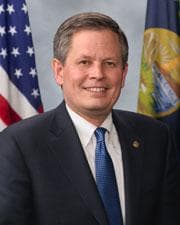
- Steve Daines
- Cosponsors
- - 3 - 0
- Introduced
- In Committee
What this bill would do
The "Protecting Veteran Community Care Act" aims to expand the Veterans Community Care Program to better include mental health and substance-use services. It seeks to ensure that veterans facing difficulty accessing residential treatment through the Department of Veterans Affairs can access community providers instead. The bill establishes specific quality and accreditation standards for these residential programs. It also prohibits the Department from using provider wait times or access standards as a reason to deny a veteran care. Additionally, the Act requires new data reporting regarding care requests and authorizations. Finally, it places restrictions on how the Secretary can modify community care access standards moving forward.
Yes· 3 of 7
Would veterans be better off under this, taking everything together?+10
The bill provides significant expansion of critical healthcare services for veterans.
Does this help veterans get medical care?+9
It significantly enhances veteran care by improving access to specialized mental health and residential services.
Does this make mental health care easier to get?+8
The bill expands access to residential mental health and substance-use services for veterans.
The opposite
No question was scored the opposite.
Who it would affect, and how
Potential Positive Impacts for People
-
Expanded Access to Care: The bill expands the Veterans Community Care Program to include residential mental health or substance-suse services if the Department cannot accommodate the veteran or meet specific access standards (Section 3(a)(1)(F)).
-
Increased Flexibility for Veterans: If multiple care options are available, the Secretary must allow the veteran to choose the option they prefer (Section 4(4)).
-
Protection Against Denials Based on Wait Times: The Secretary is prohibited from declaring a veteran ineligible for care solely because community providers cannot meet certain wait times or access standards (Section 4(3)).
-
Quality Assurance for Residential Programs: The bill ensures that residential mental health or substance-use facilities meet specific standards, such as being licensed by a State and accredited by organizations like the Joint Commission or the Commission on Accreditation of Rehabilitation Facilities (Section 3(a)(3)(1)).
-
Improved Accountability through Data: The Department will be required to report specific metrics, including the number of care requests, approvals, and denials, as well as data regarding mental health requests and emergency care authorizations (Section 5(a)).
Potential Negative Impacts for People
- Potential for Waivers of Standards: While the bill sets high standards for residential facilities, the Secretary has the authority to waive these standards on an individual basis if no other program is available or if it is deemed in the veteran's best interest (Section 3(a)(3)(2)(B)).
Groups and Interests Ranking
Every group the model scored this bill for, from -10 to +10. Hover a score for the reason it gave.
- Healthcare
- Improves Veterans Healthcare+9Improves Mental Health Access+8Improves Opioid Crisis Response+6Improves Healthcare Access+5
- Demographic And Interest Groups
- Good For Veterans+10
- National Security And Foreign Policy
- Improves Veterans Benefits+8
- Governance And Ideology
- Improves Government Transparency+5
- 6/10/2025
- 1 Cosponsor added.
- 5/22/2025
- Read twice and referred to the Committee on Veterans' Affairs.
- 2 Cosponsors added.
- Introduced in Senate
One bill Congress.gov lists as related to this one — companions in the other chamber, earlier versions, and bills this one absorbed or was folded into.
 Marsha Blackburn
Republican · Tennessee
 Chuck Grassley
Republican · Iowa
 Cynthia Lummis
Republican · Wyoming