A Republican bill with 2 Republican cosponsors · See all 2 cosponsors
Last activity — Read twice and referred to the Committee on Health, Education, Labor, and Pensions.
In committee
Introduced and handed to a committee in the chamber it started in.
The committee holds it, and most bills are never heard from again. A hearing or a committee vote would be news; silence is the usual outcome, and it kills the bill without anyone voting against it.
Its path through Congress
- Introduced
- In Committee
What this bill would do
This bill, known as the "No Loan Forgiveness for Terrorists Act of 2025," aims to change the public service loan forgiveness program. It proposes an amendment to the Higher Education Act of 1965. The change would ensure that qualifying public service work does not include employment with certain organizations. Specifically, it seeks to exclude organizations that engage in activities with a substantial illegal purpose.
Yes
- Scored +3
Does this tighten control of the border?
The bill restricts benefits for those aiding illegal immigration, which aligns with stricter border security objectives.
- Scored +2
Does this give the federal government more power?
The bill expands federal oversight over which organizations qualify for federal student loan forgiveness benefits.
- Scored +2
Does this put more money into stopping terrorism?
By excluding terrorist-linked organizations from public service benefits, it aligns with counter-terrorism efforts.
The opposite· 3 of 12
- Scored -5
Would LGBTQ people be better off under this?
The bill specifically targets organizations involved in certain procedures often associated with gender transitions.
- Scored -5
Does this expand the rights of LGBTQ people?
The bill targets organizations involved in gender-affirming care transitions of minors, which may negatively impact LGBTQ+ advocacy and access.
- Scored -4
Does this reduce what student borrowers owe or repay?
It creates new exclusions that limit the scope of the public service loan forgiveness program.
Who it would affect, and how
Potential Positive Impacts for People
-
Exclusion of illegal activities from public service benefits: The bill aims to ensure that people working for organizations that engage in activities with a substantial illegal purpose do not qualify for public service loan forgiveness (Section 2).
-
Prevention of support for terrorism and cartels: The bill seeks to exclude organizations that materially support terrorism, such as facilitating funding or operations for cartels designated as Foreign Terrorist Organizations (Section 2, subsection ii).
-
Protection against child abuse and trafficking: The bill includes provisions to exclude organizations that materially support child abuse, including specific harmful practices or the trafficking of children for emancipation from lawful parents (Section 2, subsection iii).
-
Prevention of illegal discrimination and legal violations: The bill aims to exclude organizations that engage in a pattern of aiding or abetting illegal discrimination or a pattern of violating State tort laws, such as trespassing or obstruction of highways (Section 2, subsections iv and v).
Potential Negative Impacts for People
- Loss of loan forgiveness eligibility: Individuals employed by organizations that are deemed to engage in activities with a substantial illegal purpose would no longer have those jobs count as qualifying public service (Section 2).
Groups and Interests Ranking
Every group the model scored this bill for, from -10 to +10. Tap or hover a score for the reason it gave.
- Demographic And Interest Groups
- Would LGBTQ people be better off under this? — The bill specifically targets organizations involved in certain procedures often associated with gender transitions. Would immigrants be better off under this? — The bill penalizes organizations involved in aiding illegal immigration, which can negatively affect immigrant support networks. Would students be better off under this? — The bill restricts access to student loan forgiveness for those working in certain organizations. Would Hispanic Americans be better off under this? — The restrictions on organizations aiding immigration may affect groups closely tied to immigrant advocacy. Would households on low incomes be better off under this? — The reduction in loan forgiveness eligibility may disproportionately affect low-income workers in certain sectors. Would people in their twenties and thirties be better off under this? — Young adults relying on student loan forgiveness may lose benefits if they work for excluded organizations. Would middle-income households be better off under this? — The bill reduces the total scope of available student loan relief for various professionals.
- Education And Technology
- Does this reduce what student borrowers owe or repay? — It creates new exclusions that limit the scope of the public service loan forgiveness program. Does this make college cost less? — The bill reduces student loan forgiveness eligibility for individuals working in specific excluded organizations.
- Social Issues And Justice
- Does this tighten control of the border? — The bill restricts benefits for those aiding illegal immigration, which aligns with stricter border security objectives. Does this expand the rights of LGBTQ people? — The bill targets organizations involved in gender-affirming care transitions of minors, which may negatively impact LGBTQ+ advocacy and access. Does this make it easier for immigrants already here to become citizens? — The bill penalizes organizations aiding illegal immigration, which could indirectly affect those supporting immigrant integration. Does this protect what people are allowed to say in public life? — The broad definitions of illegal activity could potentially chill speech related to protest or civil disobedience.
- Governance And Ideology
- Does this give the federal government more power? — The bill expands federal oversight over which organizations qualify for federal student loan forgiveness benefits.
- National Security And Foreign Policy
- Does this put more money into stopping terrorism? — By excluding terrorist-linked organizations from public service benefits, it aligns with counter-terrorism efforts.
- 6/10/2025
- 1 Cosponsor added.
- 5/21/2025
- Read twice and referred to the Committee on Health, Education, Labor, and Pensions.
- 1 Cosponsor added.
- Introduced in Senate
One bill Congress.gov lists as related to this one — companions in the other chamber, earlier versions, and bills this one absorbed or was folded into.
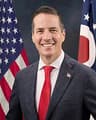 Bernie Moreno
Republican · Ohio
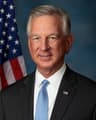 Tommy Tuberville
Republican · Alabama