Bill · S. 1260· Senate(119-S-1260)
Rural Housing Service Reform Act of 2025
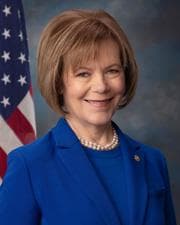
- Introduced
- 4/2/2025
- Last activity
- 4/2/2025 — Read twice and referred to the Committee on Banking, Housing, and Urban Affairs.
- Sponsored by
- Tina Smith
- Cosponsors
- - 6 - 7
- Introduced
- In Committee
What this bill would do
This bill is called the Rural Housing Service Reform Act of 2025. It aims to update and improve federal rural housing programs managed by the Department of Agriculture. The legislation creates permanent programs for housing preservation, updates loan and grant rules, and sets up a relending program for Native community development financial institutions. It also addresses technology upgrades, staffing needs, and sets reporting requirements for Congress. Finally, the bill adjusts rural housing vouchers, modifies loan terms, and establishes time frames for reviewing applications.
Yes· 3 of 10
Would Native Americans be better off under this?+9
The bill establishes a dedicated Native CDFI relending program to increase homeownership in Native communities.
Would households on low incomes be better off under this?+8
The bill directly increases rental assistance accessibility and preservation of affordable housing for low-income groups.
Would people in rural areas be better off under this?+8
The bill focuses extensively on improving housing and development resources for rural residents.
The opposite
No question was scored the opposite.
Who it would affect, and how
Potential Positive Impacts for People
-
Section 103 and Section 104: Authorize appropriations for increased staffing, IT upgrades, and technical improvements to the Rural Housing Service. This is positive because it helps modernize the agency so it can process and manage housing loans better for the public.
-
Section 201: Permanently establishes the housing preservation and revitalization program and requires annual written notices to tenants about loan maturity and their rights to reside in federally assisted housing or secure a voucher. This is positive because it helps protect low-income residents and farm laborers from losing their homes without warning.
-
Section 301: Creates a set-aside for Native Community Development Financial Institutions to provide direct loans for single-family homes and increases homeownership opportunities in rural tribal and Native areas. This is positive because it brings much-needed capital and homeownership support to historically underserved Native communities.
-
Section 401: Increases the maximum amount for loans and grants for minor improvements to farm housing and buildings from $7,500 to $15,000, and reserves at least 60 percent of these funds for very low-income applicants. This is positive because it gives families more financial help to fix up unsafe or damaged homes.
-
Section 701: Establishes a process for adjusting rural housing voucher amounts after interim or annual reviews, allowing tenants to request a recalculation if they experience a reduction in income, a change in family composition, or a change in rental rate. This is positive because it ensures voucher amounts match real-life financial hardships faced by tenants.
-
Section 902: Relieves an original borrower of liability upon the transfer of property and assumption of a guaranteed loan by an approved eligible borrower. This is positive because it protects past homeowners from being held responsible for a loan after someone else takes it over.
-
Section 1001: Allows the leasing of accessory dwelling units and the use of rental income derived from such leases to qualify for a loan guarantee. This is positive because it gives homeowners an extra way to qualify for a loan by using rental income from a backyard cottage or separate living unit.
Potential Negative Impacts for People
-
Section 701: Requires tenants to annually recertify their family composition and income to ensure it does not exceed 80 percent of the area median income, with potential consequences if they miss the deadline. This could be seen as a burden for families who struggle with paperwork or administrative requirements.
-
Section 301: Requires Native community development financial institutions to match not less than 20 percent of the amount received, unless a specific waiver applies. This could be a negative burden for institutions that struggle to raise non-Federal matching funds.
Groups and Interests Ranking
Every group the model scored this bill for, from -10 to +10. Hover a score for the reason it gave.
- Demographic And Interest Groups
- Good For Native Americans+9Good For Low Income Households+8Good For Rural Residents+8Good For Farmers+6
- Social Issues And Justice
- Improves Affordable Housing+8Improves Childcare Affordability+5Improves Poverty Reduction+5Reduces Homelessness+3
- Environment Energy And Infrastructure
- Improves Rural Development+7
- Governance And Ideology
- Improves Government Transparency+4
- 3/4/2026
- 2 Cosponsors added.
- 3/3/2026
- 1 Cosponsor added.
- 4/30/2025
- 2 Cosponsors added.
- 4/2/2025
- Read twice and referred to the Committee on Banking, Housing, and Urban Affairs.
- 9 Cosponsors added.
- Introduced in Senate
2 bills Congress.gov lists as related to this one — companions in the other chamber, earlier versions, and bills this one absorbed or was folded into.
 Mike Crapo
Republican · Idaho
 Kevin Cramer
Republican · North Dakota
 Catherine Cortez Masto
Democrat · Nevada
 Steve Daines
Republican · Montana
 John Fetterman
Democrat · Pennsylvania
 Martin Heinrich
Democrat · New Mexico
 Angus King
Independent · Maine
 Jerry Moran
Republican · Kansas
 James Risch
Republican · Idaho
 Mike Rounds
Republican · South Dakota
 Pete Ricketts
Republican · Nebraska
 Jeanne Shaheen
Democrat · New Hampshire
 Raphael Warnock
Democrat · Georgia
 Mark Warner
Democrat · Virginia