Bill · S. 1166· Senate(119-S-1166)
Excess Urban Heat Mitigation Act of 2025
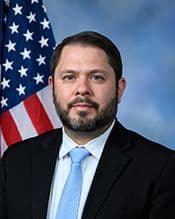
- Introduced
- 3/27/2025
- Last activity
- 3/27/2025 — Read twice and referred to the Committee on Banking, Housing, and Urban Affairs.
- Sponsored by
- Ruben Gallego
- Cosponsors
- - 5 - 0
- Introduced
- In Committee
What this bill would do
The Excess Urban Heat Mitigation Act of 2025 directs the Secretary of Housing and Urban Development to create a grant program to manage urban heat. This program will provide funding to various eligible entities for projects like tree planting, installing cool roofs, or creating cooling centers. The bill focuses heavily on providing relief to underserved and high-poverty areas that experience extreme heat. It includes requirements for community engagement and technical assistance for grant applicants. An oversight board will be established to monitor the effectiveness of the funded projects. The act authorizes $30,000,000 in appropriations for each fiscal year from 2026 through 2033.
Yes· 3 of 21
Would people in cities be better off under this?+6
The bill provides direct environmental and health benefits to people living in urban areas.
Would households on low incomes be better off under this?+5
The bill prioritizes high-poverty areas for heat mitigation resources.
Does this better protect air, water and wildlife?+5
The bill focuses on mitigating the environmental impact of extreme urban heat.
The opposite
No question was scored the opposite.
Who it would affect, and how
Potential Positive Impacts for People
-
Mitigation of Heat-Related Risks: By funding projects like tree planting, cool pavements, and cooling centers, the bill aims to combat heat stress, which is a leading cause of death and respiratory problems (Section 2).
-
Support for Underserved Communities: The bill requires that at least 75 percent of grant money be directed toward "covered census tracts," which are defined as areas with a poverty rate of at least 20 percent (Section 3, Section 4b).
-
Economic Relief: Addressing urban heat can help reduce rising costs related to roadway maintenance, residential and commercial energy bills, and heat-related healthcare costs (Section 2).
-
Community Empowerment: The application process requires entities to have a plan for meaningful engagement that empowers community members to participate in decision-making (Section 4d).
-
Financial Assistance for Hardship: The Secretary has the authority to increase the Federal share of project costs up to 100 percent for entities demonstrating economic hardship (Section 4e).
Potential Negative Impacts for People
- Financial Burden on Local Entities: Unless a waiver is granted due to economic hardship, the Federal government will only cover up to 80 percent of the cost of an eligible project, potentially requiring local entities to find the remaining funds (Section 4e).
Groups and Interests Ranking
Every group the model scored this bill for, from -10 to +10. Hover a score for the reason it gave.
- Demographic And Interest Groups
- Good For Urban Residents+6Good For Low Income Households+5Good For African Americans+3Good For Hispanic Americans+3Good For Native Americans+2Good For Retirees+2Good For Seniors+2Good For Children+1
- Environment Energy And Infrastructure
- Improves Environmental Protections+5Reduces Carbon Emissions+4Improves Public Transit+2Increases Renewable Energy Investment+2Improves Disaster Relief And F E M A+1Improves Roads And Bridges+1
- Social Issues And Justice
- Improves Racial Equity+5Improves Poverty Reduction+3Improves Affordable Housing+1
- Governance And Ideology
- Improves Government Transparency+1Increases Federal Power+1
- Economy And Finance
- Improves Economic Growth+1
- Healthcare
- Reduces Hospital Costs+1
- 3/27/2025
- Read twice and referred to the Committee on Banking, Housing, and Urban Affairs.
- 6 Cosponsors added.
- Introduced in Senate
One bill Congress.gov lists as related to this one — companions in the other chamber, earlier versions, and bills this one absorbed or was folded into.
 Cory Booker
Democrat · New Jersey
 Edward Markey
Democrat · Massachusetts
 Jeff Merkley
Democrat · Oregon
 Alex Padilla
Democrat · California
 Bernie Sanders
Independent · Vermont
 Ron Wyden
Democrat · Oregon