Bill · H.Res. 981· House(119-HRES-981)
Expressing the sense of the House of Representatives that the United States should reduce and maintain the Federal unified budget deficit at or below 3 percent of gross domestic product.
- Introduced
- 1/7/2026
- Last activity
- 1/7/2026 — Referred to the Committee on the Budget, and in addition to the Committees on Ways and Means, and Rules, for a period to be subsequently determined by the Speaker, in each case for consideration of such provisions as fall within the jurisdiction of the committee concerned.
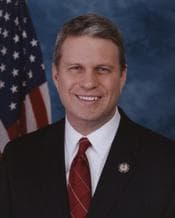
- Sponsored by
- Bill Huizenga
- Cosponsors
- - 10 - 10
- Introduced
- In Committee
A House resolution is the House speaking for itself: stating a position, honouring someone, or setting its own rules. Adopting it is the whole process. Once the House agrees to it, it is officially the House's word; it is not a law, so the Senate and the President have no part in it.
What this bill would do
This resolution expresses the sense of the House of Representatives that the United States needs to reduce and maintain the Federal unified budget deficit at or below 3 percent of gross domestic product. It aims to have the deficit meet this target as soon as possible and no later than the end of fiscal year 2030. Once the target is reached, the goal is to continue reducing the deficit to achieve a balanced Federal budget. The resolution calls for the President to submit budgets that create a path toward this target. It also directs various House committees to recommend enforcement options and rule changes to ensure the target is met.
Yes· 3 of 11
Does this make the government pay for what it commits to?+8
The resolution calls for a specific target of a 3 percent deficit and a path toward a balanced budget to increase government flexibility.
Does this reduce what the federal government owes?+7
The bill expresses the sense that the deficit should be reduced to 3 percent of GDP to stabilize the national debt.
Does this reduce what the federal government spends?+5
The resolution directs that efforts to meet the target should examine changes to discretionary appropriations and direct spending.
The opposite
Does this increase the pay, pensions or support veterans receive?-2
The resolution targets reductions in discretionary appropriations which could include defense spending.
Who it would affect, and how
Potential Positive Impacts for People
-
Economic and National Security Stability: The text notes that rising deficits and debt represent a threat to national security and economic growth, and that reducing them can safeguard future generations (Whereas clauses).
-
Lower Living Costs: The resolution states that rising deficits threaten to increase interest rates and the cost of living; therefore, targeting a lower deficit could mitigate these risks (Whereas clauses).
-
Increased Government Flexibility: Reducing the deficit is intended to increase the government's flexibility to respond to fiscal emergencies (Whereas clauses).
Potential Negative Impacts for People
- No specific negative impacts are explicitly stated in the text.
Groups and Interests Ranking
Every group the model scored this bill for, from -10 to +10. Hover a score for the reason it gave.
- Economy And Finance
- Improves Fiscal Responsibility+8Reduces National Debt+7Improves Economic Growth+5Reduces Government Spending+5Reduces Inflation+4
- Demographic And Interest Groups
- Good For Children+5Good For Retirees+3Good For Seniors+3Good For Low Income Households+2Good For Middle Class Households+2
- Governance And Ideology
- Improves Government Transparency+3
- National Security And Foreign Policy
- Improves Veterans Benefits-2
- 5/21/2026
- 2 Cosponsors added.
- 3/2/2026
- 2 Cosponsors added.
- 2/12/2026
- 2 Cosponsors added.
- 1/7/2026
- Submitted in House
- Referred to the Committee on the Budget, and in addition to the Committees on Ways and Means, and Rules, for a period to be subsequently determined by the Speaker, in each case for consideration of such provisions as fall within the jurisdiction of the committee concerned.
- 14 Cosponsors added.
One bill Congress.gov lists as related to this one — companions in the other chamber, earlier versions, and bills this one absorbed or was folded into.
 Jodey Arrington
Republican · Texas
 Donald Beyer
Democrat · Virginia
 Ed Case
Democrat · Hawaii
 Jim Costa
Democrat · California
 Chuck Edwards
Republican · North Carolina
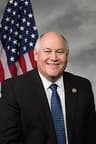 Ron Estes
Republican · Kansas
 Randy Feenstra
Republican · Iowa
 Jared Golden
Democrat · Maine
 Marie Perez
Democrat · Washington
 Chrissy Houlahan
Democrat · Pennsylvania
 Erin Houchin
Republican · Indiana
 Dusty Johnson
Republican · South Dakota
 Blake Moore
Republican · Utah
 Scott Peters
Democrat · California
 Jimmy Panetta
Democrat · California
 Mike Quigley
Democrat · Illinois
 David Schweikert
Republican · Arizona
 Lloyd Smucker
Republican · Pennsylvania
 Thomas Suozzi
Democrat · New York
 Steve Womack
Republican · Arkansas