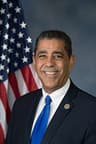
Adriano Espaillat (D-NY)
Supporting the designation of the first week of April as "Adolescent Immunization Action Week" and recognizing the importance of encouraging vaccination for adolescents and young adults to protect against serious illness.
A Democratic resolution with 7 Democratic cosponsors · See all 7 cosponsors
Last activity — Referred to the House Committee on Energy and Commerce.
In committee
Introduced and handed to a committee in the chamber it started in.
The committee holds it, and most bills are never heard from again. A hearing or a committee vote would be news; silence is the usual outcome, and it kills the bill without anyone voting against it.
Its path through Congress
- Introduced
- In Committee
A House resolution is the House speaking for itself: stating a position, honouring someone, or setting its own rules. Adopting it is the whole process. Once the House agrees to it, it is officially the House's word; it is not a law, so the Senate and the President have no part in it.
What this bill would do
H. Res. 388 supports designating the first week of April as "Adolescent Immunization Action Week." The resolution recognizes the need to protect adolescents and young adults from serious, vaccine-preventable illnesses. It encourages various groups, including medical institutions and elected leaders, to increase their support for these immunizations. Additionally, it calls for health care providers to address medical mistrust in underserved communities. Finally, it requests that the President issue a proclamation to recognize this week.
Yes· 3 of 16
- Scored +5
Would children be better off under this?
Focuses on protecting adolescents through increased immunization awareness.
- Scored +5
Would people in their twenties and thirties be better off under this?
Specifically targets and aims to protect young adults from preventable illnesses.
- Scored +5
Would students be better off under this?
Directly benefits adolescents and young adults who are typically students.
The opposite
No question was scored the opposite.
Who it would affect, and how
Potential Positive Impacts for People
-
Protection Against Illness: The resolution aims to protect adolescents and young adults from serious illness by encouraging vaccination, which is described as a safe and effective preventive health tool. (Resolved section 2)
-
Addressing Medical Mistrust: The resolution calls on health care providers to take active steps to heal historic medical mistrust in communities that are medically underserved. (Resolved section 3)
-
Increased Community Support: By calling upon faith groups, community agencies, and medical institutions to participate, the resolution seeks to strengthen communities through improved immunization efforts. (Resolved section 2)
Potential Negative Impacts for People
- No negative impacts for individuals or groups are explicitly mentioned in the provided text.
Groups and Interests Ranking
Every group the model scored this bill for, from -10 to +10. Tap or hover a score for the reason it gave.
- Demographic And Interest Groups
- Would children be better off under this? — Focuses on protecting adolescents through increased immunization awareness. Would students be better off under this? — Directly benefits adolescents and young adults who are typically students. Would people in their twenties and thirties be better off under this? — Specifically targets and aims to protect young adults from preventable illnesses. Would Black Americans be better off under this? — Addresses racial vaccine disparities and medical mistrust in underserved communities. Would Asian Americans be better off under this? — Addresses racial vaccine disparities and medical mistrust in underserved communities. Would Hispanic Americans be better off under this? — Addresses racial vaccine disparities and medical mistrust in underserved communities. Would households on low incomes be better off under this? — Aims to reduce healthcare disparities in underserved communities. Would Native Americans be better off under this? — Addresses racial vaccine disparities and medical mistrust in underserved communities. Would people in rural areas be better off under this? — Explicitly mentions the need to address vaccine mistrust in rural communities. Would high-income households be better off under this? — Provides encouragement for preventive health services for their children. Would middle-income households be better off under this? — Provides encouragement for preventive health services for their children. Would people in cities be better off under this? — Aims to improve health outcomes in underserved urban areas. Would white Americans be better off under this? — Promotes adolescent health and preventive care.
- Healthcare
- Does this make health care easier to get in general? — Encourages vaccination efforts and addresses medical mistrust in underserved communities. Does this make the country readier for the next outbreak? — Promotes vaccination to protect against serious vaccine-preventable illnesses.
- Social Issues And Justice
- Does this narrow racial gaps in how people are treated? — Explicitly calls to address racial and ethnic vaccine coverage disparities and medical mistrust.
- 5/6/2025
- Submitted in House
- Referred to the House Committee on Energy and Commerce.
- 7 Cosponsors added.
 Jake Auchincloss
Democrat · Massachusetts
 Steve Cohen
Democrat · Tennessee
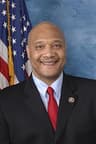 André Carson
Democrat · Indiana
 Debbie Dingell
Democrat · Michigan
 Eleanor Norton
Democrat · District of Columbia
 Mary Gay Scanlon
Democrat · Pennsylvania
 Nydia Velázquez
Democrat · New York