
Al Green (D-TX)
Supporting the goals and ideals of October as "National Domestic Violence Awareness Month".
A Democratic resolution with 2 Republican cosponsors · See all 84 cosponsors
Last activity — Referred to the House Committee on Education and Workforce.
In committee
Introduced and handed to a committee in the chamber it started in.
The committee holds it, and most bills are never heard from again. A hearing or a committee vote would be news; silence is the usual outcome, and it kills the bill without anyone voting against it.
Its path through Congress
- Introduced
- In Committee
A House resolution is the House speaking for itself: stating a position, honouring someone, or setting its own rules. Adopting it is the whole process. Once the House agrees to it, it is officially the House's word; it is not a law, so the Senate and the President have no part in it.
What this bill would do
This bill supports the goals and ideals of October as National Domestic Violence Awareness Month. It outlines numerous statistics regarding the widespread nature of domestic violence and its severe impacts on individuals across different demographics. The text highlights issues such as physical abuse, emotional abuse, financial hardship, and the specific dangers faced by women, children, and marginalized groups. Furthermore, the legislation emphasizes the need for continued public awareness and support for programs aimed at ending domestic violence. Ultimately, Section 2 officially states that the House of Representatives supports these goals and believes Congress should continue funding and raising awareness for these programs.
Yes· 3 of 16
- Scored +3
Would women be better off under this?
The resolution predominantly focuses on the disproportionate rates of domestic violence, stalking, and homicide experienced by women.
- Scored +3
Does this narrow the gap between how men and women are treated?
The resolution highlights the disproportionate impact of domestic violence on women and supports programs aimed at ending it.
- Scored +2
Would children be better off under this?
The resolution acknowledges the severe impact of domestic violence on exposed children and supports preventative programs.
The opposite
No question was scored the opposite.
Who it would affect, and how
Potential Positive Impacts for People
- Support for Awareness and Programs: Section 2 expresses the sense of the House of Representatives that Congress should continue to raise awareness about domestic violence and support programs designed to end it in the United States. This is a positive step because it encourages ongoing attention and resources toward helping victims and preventing future abuse.
Potential Negative Impacts for People
- None Identified: The provided text does not contain any specific sections or provisions that outline negative consequences, burdens, or penalties for individuals or groups in the United States.
Groups and Interests Ranking
Every group the model scored this bill for, from -10 to +10. Tap or hover a score for the reason it gave.
- Demographic And Interest Groups
- Would women be better off under this? — The resolution predominantly focuses on the disproportionate rates of domestic violence, stalking, and homicide experienced by women. Would Black Americans be better off under this? — The resolution specifically details the disproportionate rates of domestic violence affecting African American women. Would Asian Americans be better off under this? — The resolution incorporates data regarding the prevalence of intimate partner violence among Asian women. Would children be better off under this? — The resolution acknowledges the severe impact of domestic violence on exposed children and supports preventative programs. Would Hispanic Americans be better off under this? — The resolution highlights domestic violence statistics and impacts concerning Hispanic women. Would LGBTQ people be better off under this? — The text highlights the elevated risks of physical and sexual intimate partner violence faced by transgender and bisexual or lesbian individuals. Would households on low incomes be better off under this? — Low-income households often face heightened risks and fewer resources regarding domestic violence, which this resolution seeks to address. Would Native Americans be better off under this? — The resolution highlights the exceptionally high rates of domestic and sexual violence experienced by Native American women. Would students be better off under this? — The text addresses dating violence and domestic abuse among high school and college students, advocating for educational awareness. Would people in their twenties and thirties be better off under this? — The resolution highlights the high rates of domestic and dating violence experienced by young adults and college students. Would people with disabilities be better off under this? — The resolution supports overall domestic violence awareness that encompasses vulnerable populations, including those with disabilities. Would people over 65 be better off under this? — The resolution supports awareness and programs addressing domestic violence across all age groups, including older adults. Would veterans be better off under this, taking everything together? — The resolution broadly supports domestic violence awareness and intervention programs that can benefit veteran families.
- Social Issues And Justice
- Does this narrow the gap between how men and women are treated? — The resolution highlights the disproportionate impact of domestic violence on women and supports programs aimed at ending it. Is this likely to lift people out of poverty? — By supporting domestic violence awareness and intervention, the resolution indirectly addresses the economic and financial abuse that traps victims in poverty. Is this likely to reduce homelessness? — The resolution brings attention to the link between domestic violence and homelessness, supporting programs that assist victims.
- 10/29/2026
- Submitted in House
- Referred to the House Committee on Education and Workforce.
- 84 Cosponsors added.
 Suzanne Bonamici
Democrat · Oregon
 Joyce Beatty
Democrat · Ohio
 Ami Bera
Democrat · California
 Nanette Barragán
Democrat · California
 Shontel Brown
Democrat · Ohio
 Nikki Budzinski
Democrat · Illinois
 Becca Balint
Democrat · Vermont
 Wesley Bell
Democrat · Missouri
 Ed Case
Democrat · Hawaii
 Kathy Castor
Democrat · Florida
 Yvette Clarke
Democrat · New York
 Judy Chu
Democrat · California
 Salud Carbajal
Democrat · California
 Sean Casten
Democrat · Illinois
 Gilbert Cisneros
Democrat · California
 Troy Carter
Democrat · Louisiana
 Jasmine Crockett
Democrat · Texas
 Christopher Deluzio
Democrat · Pennsylvania
 Suzan DelBene
Democrat · Washington
 Mark DeSaulnier
Democrat · California
 Debbie Dingell
Democrat · Michigan
 Sharice Davids
Democrat · Kansas
 Maxine Dexter
Democrat · Oregon
 Dwight Evans
Democrat · Pennsylvania
 Veronica Escobar
Democrat · Texas
 Sarah Elfreth
Democrat · Maryland
 Brian Fitzpatrick
Republican · Pennsylvania
 Lizzie Fletcher
Democrat · Texas
 Maxwell Frost
Democrat · Florida
 Valerie Foushee
Democrat · North Carolina
 John Garamendi
Democrat · California
 Vicente Gonzalez
Democrat · Texas
 Josh Gottheimer
Democrat · New Jersey
 Jesús García
Democrat · Illinois
 Daniel Goldman
Democrat · New York
 Adelita Grijalva
Democrat · Arizona
 Steven Horsford
Democrat · Nevada
 Jared Huffman
Democrat · California
 Glenn Ivey
Democrat · Maryland
 Henry Johnson
Democrat · Georgia
 Julie Johnson
Democrat · Texas
 Robin Kelly
Democrat · Illinois
 Ro Khanna
Democrat · California
 Raja Krishnamoorthi
Democrat · Illinois
 Sydney Kamlager-Dove
Democrat · California
 Timothy Kennedy
Democrat · New York
 Stephen Lynch
Democrat · Massachusetts
 Kweisi Mfume
Democrat · Maryland
 Betty McCollum
Democrat · Minnesota
 Gwen Moore
Democrat · Wisconsin
 Doris Matsui
Democrat · California
 Seth Moulton
Democrat · Massachusetts
 Joseph Morelle
Democrat · New York
 Frank Mrvan
Democrat · Indiana
 Kevin Mullin
Democrat · California
 Jennifer McClellan
Democrat · Virginia
 April McClain Delaney
Democrat · Maryland
 Christian Menefee
Democrat · Texas
 Jerrold Nadler
Democrat · New York
 Eleanor Norton
Democrat · District of Columbia
 Zachary Nunn
Republican · Iowa
 Johnny Olszewski
Democrat · Maryland
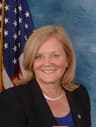 Chellie Pingree
Democrat · Maine
 Scott Peters
Democrat · California
 Brittany Pettersen
Democrat · Colorado
 Mike Quigley
Democrat · Illinois
 Deborah Ross
Democrat · North Carolina
 Jamie Raskin
Democrat · Maryland
 Janice Schakowsky
Democrat · Illinois
 Greg Stanton
Democrat · Arizona
 Melanie Stansbury
Democrat · New Mexico
 Hillary Scholten
Democrat · Michigan
 Emilia Sykes
Democrat · Ohio
 Lateefah Simon
Democrat · California
 Dina Titus
Democrat · Nevada
 Rashida Tlaib
Democrat · Michigan
 Lori Trahan
Democrat · Massachusetts
 Ritchie Torres
Democrat · New York
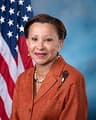 Nydia Velázquez
Democrat · New York
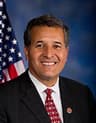 Juan Vargas
Democrat · California
 Debbie Wasserman Schultz
Democrat · Florida
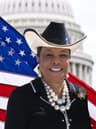 Frederica Wilson
Democrat · Florida
 Bonnie Watson Coleman
Democrat · New Jersey
 James Walkinshaw
Democrat · Virginia