Bill · H.Res. 1538· House(119-HRES-1538)
Supporting the designation of the week of September 14 through September 18, 2026, as "Malnutrition Awareness Week".
- Introduced
- 9/15/2026
- Last activity
- 9/15/2026 — Referred to the Committee on Energy and Commerce, and in addition to the Committees on Agriculture, Education and Workforce, and Ways and Means, for a period to be subsequently determined by the Speaker, in each case for consideration of such provisions as fall within the jurisdiction of the committee concerned.
- Sponsored by
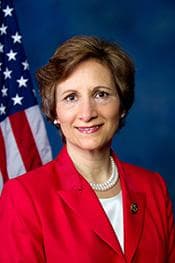
- Suzanne Bonamici
- Cosponsors
- - 5 - 2
- Introduced
- In Committee
A House resolution is the House speaking for itself: stating a position, honouring someone, or setting its own rules. Adopting it is the whole process. Once the House agrees to it, it is officially the House's word; it is not a law, so the Senate and the President have no part in it.
What this bill would do
This resolution supports designating the week of September 14 through September 18, 2026, as Malnutrition Awareness Week. It highlights that malnutrition is a significant public health problem linked to poverty, food insecurity, and social influences. The text points out that vulnerable populations, including infants, children, and older adults, face high risks of malnutrition and food insecurity. The resolution recognizes the hard work of nutrition professionals, health care providers, school food service workers, and caregivers who address malnutrition. It also acknowledges the value of federal nutrition programs, community organizations, and federal research in preventing malnutrition and supporting public health. Finally, it supports tools like the mandatory Malnutrition Care Score to help identify and treat malnutrition early.
Yes· 3 of 16
Would people over 65 be better off under this?+4
The bill highlights the importance of nutrition services and the Older Americans Act in addressing malnutrition among older adults.
Would children be better off under this?+3
The resolution emphasizes the role of Federal child nutrition programs in supporting health throughout the lifespan.
Would households on low incomes be better off under this?+3
The resolution acknowledges the role of nutrition programs in addressing food insecurity linked to economic instability.
The opposite
No question was scored the opposite.
Who it would affect, and how
Potential Positive Impacts for People
-
Support for Federal Nutrition Programs: The resolution recognizes the importance of federal child nutrition programs and Older Americans Act nutrition programs in providing healthy food and preventing malnutrition, as noted in Resolved paragraph (3). This is a positive for people because these programs directly help individuals across their lifespan get the healthy food they need.
-
Recognition of Nutrition and Healthcare Professionals: Resolved paragraph (2) recognizes the contributions of registered dietitian nutritionists, health care providers, school food service workers, social workers, and caregivers. This is positive because it honors the workers who strive to prevent and identify malnutrition in our communities.
-
Importance of Evidence-Based Care: The text recognizes the importance of access to evidence-based nutrition care, such as medical nutrition therapy under the Medicare program, according to Resolved paragraph (5). This is beneficial for vulnerable populations who need specialized medical nutrition support to stay healthy.
-
Implementation of the Malnutrition Care Score: Resolved paragraph (8) recognizes the importance of the Centers for Medicare and Medicaid Services facilitating the implementation of the mandatory Malnutrition Care Score for adults. This is a positive step because early identification and intervention can reduce health care costs, hospital readmissions, and long-term complications.
Potential Negative Impacts for People
- No Negative Impacts Identified: Based on the explicit text of the bill, there are no specific sections or provisions that create negative consequences, burdens, or penalties for individuals or groups of people in the United States.
Groups and Interests Ranking
Every group the model scored this bill for, from -10 to +10. Hover a score for the reason it gave.
- Demographic And Interest Groups
- Good For Seniors+4Good For Children+3Good For Low Income Households+3Good For Native Americans+3Good For Retirees+3Good For African Americans+2Good For Asian Americans+2
- Healthcare
- Improves Healthcare Access+3Increases Research Funding+3Increases Medicaid Funding+2Increases Medicare Funding+2
- Education And Technology
- Increases Scientific Research Funding+3Increases Public School Funding+2
- Social Issues And Justice
- Improves Racial Equity+3Improves Poverty Reduction+2
- Economy And Finance
- Reduces Government Spending+3
- 9/24/2026
- 1 Cosponsor added.
- 9/15/2026
- Submitted in House
- Referred to the Committee on Energy and Commerce, and in addition to the Committees on Agriculture, Education and Workforce, and Ways and Means, for a period to be subsequently determined by the Speaker, in each case for consideration of such provisions as fall within the jurisdiction of the committee concerned.
- 6 Cosponsors added.
 Sanford Bishop
Democrat · Georgia
 André Carson
Democrat · Indiana
 Brian Fitzpatrick
Republican · Pennsylvania
 Jahana Hayes
Democrat · Connecticut
 Michael Lawler
Republican · New York
 Eleanor Norton
Democrat · District of Columbia
 Jill Tokuda
Democrat · Hawaii