Bill · H.R. 9988· House(119-HR-9988)
FASTER Act of 2026

- Introduced
- 7/30/2026
- Last activity
- 7/30/2026 — Referred to the House Committee on Energy and Commerce.
- Sponsored by
- Anna Paulina Luna
- Cosponsors
- - 11 - 9
- Introduced
- In Committee
What this bill would do
The "FASTER Act of 2026" amends the Federal Food, Drug, and Cosmetic Act to include barley, rye, and oats as major food allergens. It replaces the term "wheat" with "gluten-containing grain" to cover these additional grains and their hybrids, like triticale. The FDA Administrator must update the Manual of Compliance Policy Guides within one year. These changes apply to food entering interstate commerce starting one year after the Act is passed. Additionally, the Secretary of Health and Human Services must provide a report on Celiac disease, covering prevalence, diagnostics, prevention, and treatments.
Yes· 3 of 10
Would people with disabilities be better off under this?+6
Significant benefit for individuals with Celiac disease and gluten-related allergies.
Would children be better off under this?+5
Protects children with food allergies through better labeling.
Would people in their twenties and thirties be better off under this?+5
Protects young adults with food allergies through better labeling.
The opposite
Would business owners be better off under this?-2
Imposes new labeling requirements on food producers and sellers.
Who it would affect, and how
Potential Positive Impacts for People
-
Expanded Allergen Labeling: By including barley, rye, and oats as major food allergens (Section 2), people with allergies to these grains have more information to stay safe.
-
Celiac Disease Research: The requirement for a report from the Secretary of Health and Human Services (Section 3) could lead to better diagnostics, prevention methods, and new therapeutics for those with Celiac disease.
-
Improved Data Collection: The bill calls for reports on the prevalence and severity of allergic reactions for individuals with Celiac disease (Section 3), which helps understand the scope of the condition in the United States.
Potential Negative Impacts for People
- No negative impacts for individuals or groups are explicitly mentioned in the provided text.
Groups and Interests Ranking
Every group the model scored this bill for, from -10 to +10. Hover a score for the reason it gave.
- Demographic And Interest Groups
- Good For People With Disabilities+6Good For Children+5Good For Middle Aged+5Good For Seniors+5Good For Young Adults+5Good For Business Owners-2
- Healthcare
- Increases Research Funding+4Improves Healthcare Access+2
- Economy And Finance
- Improves Consumer Protection+5
- Education And Technology
- Increases Scientific Research Funding+3
- Governance And Ideology
- Increases Federal Power+1
- 10/6/2026
- 1 Cosponsor added.
- 10/5/2026
- 2 Cosponsors added.
- 9/14/2026
- 1 Cosponsor added.
- 9/10/2026
- 1 Cosponsor added.
- 9/2/2026
- 2 Cosponsors added.
- 8/27/2026
- 3 Cosponsors added.
- 7/30/2026
- Referred to the House Committee on Energy and Commerce.
- 10 Cosponsors added.
- Introduced in House
 Brendan Boyle
Democrat · Pennsylvania
 Tom Barrett
Republican · Michigan
 Earl Carter
Republican · Georgia
 Debbie Dingell
Democrat · Michigan
 Madeleine Dean
Democrat · Pennsylvania
 Brian Fitzpatrick
Republican · Pennsylvania
 Maxwell Frost
Democrat · Florida
 Paul Gosar
Republican · Arizona
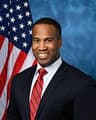 John James
Republican · Michigan
 Daniel Meuser
Republican · Pennsylvania
 Richard McCormick
Republican · Georgia
 Ryan Mackenzie
Republican · Pennsylvania
 Sarah McBride
Democrat · Delaware
 Chellie Pingree
Democrat · Maine
 Michael Rulli
Republican · Ohio
 Thomas Suozzi
Democrat · New York
 Rashida Tlaib
Democrat · Michigan
 Jefferson Van Drew
Republican · New Jersey
 Debbie Wasserman Schultz
Democrat · Florida
 Randy Weber
Republican · Texas