Bill · H.R. 9142· House(119-HR-9142)
Prohibiting Adversarial Patents Act of 2026
- Introduced
- 6/4/2026
- Last activity
- 6/4/2026 — Referred to the House Committee on the Judiciary.
- Sponsored by
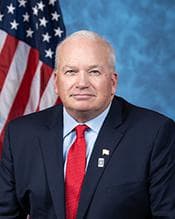
- Scott Fitzgerald
- Cosponsors
- - 2 - 1
- Introduced
- In Committee
What this bill would do
The Prohibiting Adversarial Patents Act of 2026 limits the ability of certain people and entities to get and use patents in the United States. It targets those identified as threats to national security, specifically those on certain Chinese military or communications equipment lists. These entities cannot be issued patents, and any patents already issued to them become unenforceable. The President can grant waivers for periods up to 180 days if it is determined there is no essential security interest in the prohibition. The act does not stop these entities from filing applications or affect the ownership and term of their patents.
Yes
Does this put more rules on large technology companies?+4
The bill restricts patent issuance and enforcement for specific adversarial entities, which is a form of regulatory constraint on tech entities.
Does this give the federal government more power?+3
The bill grants the federal government and the President authority to restrict patent rights based on national security lists.
The opposite
Would business owners be better off under this?-5
Specific business owners on adversarial lists lose the ability to issue or enforce patents.
Does this protect the right to fair treatment by the courts?-2
The bill makes existing patents unenforceable for listed entities without a prior judicial proceeding, though it allows for presidential waivers.
Who it would affect, and how
Potential Positive Impacts for People
- National Security Protection: By preventing entities on the NS-CMIC List, Chinese military company reports, or FCC communications equipment lists from receiving or enforcing patents, the bill aims to limit the influence of those who pose a threat to national security. (Sec. 2(a))
Potential Negative Impacts for People
- Loss of Patent Enforcement: Any person or entity described in the bill who has already been issued a United States patent will find that patent unenforceable. (Sec. 2(a)(2))
Groups and Interests Ranking
Every group the model scored this bill for, from -10 to +10. Hover a score for the reason it gave.
- Demographic And Interest Groups
- Good For Business Owners-5
- Education And Technology
- Increases Big Tech Regulation+4
- Governance And Ideology
- Increases Federal Power+3Improves Due Process-2
- 6/10/2026
- 1 Cosponsor added.
- 6/4/2026
- Referred to the House Committee on the Judiciary.
- 2 Cosponsors added.
- Introduced in House
 Darrell Issa
Republican · California
 John Moolenaar
Republican · Michigan
 Bennie Thompson
Democrat · Mississippi