Bill · H.R. 8707· House(119-HR-8707)
No Funds for Iran War Act
- Introduced
- 5/7/2026
- Last activity
- 5/7/2026 — Referred to the Committee on Foreign Affairs, and in addition to the Committee on Armed Services, for a period to be subsequently determined by the Speaker, in each case for consideration of such provisions as fall within the jurisdiction of the committee concerned.
- Sponsored by
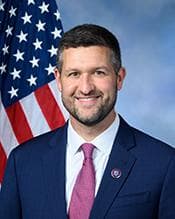
- Patrick Ryan
- Cosponsors
- - 61 - 0
- Introduced
- In Committee
What this bill would do
This bill, known as the "No Funds for Iran War Act," aims to stop the government from spending money on military force in or against Iran. The prohibition lasts from the date the Act is passed until December 31, 2026. Military force would only be allowed if Congress declares war or passes a specific new law for it. There are exceptions for actions consistent with the War Powers Resolution or to defend the U.S. and its allies from imminent attacks. In those cases, the President must still follow specific requirements of the War Powers Resolution.
Yes· 3 of 7
Does this reduce what is spent on the military?+4
Prohibits funding for military force in Iran unless specifically authorized.
Does this reduce what the federal government spends?+3
The bill prohibits the use of funds for military force in or against Iran unless specifically authorized.
Does this favour talking over confrontation abroad?+3
Restricting military force may incentivize diplomatic resolutions over conflict.
The opposite
Does this give the federal government more power?-5
Reduces the President's unilateral power to commit military funds without congressional approval.
Who it would affect, and how
Potential Positive Impacts for People
-
Restriction of Military Spending: The bill prevents the obligation or expenditure of funds for military force in or against the Islamic Republic of Iran (Section 2(a)). This ensures that money cannot be used for such purposes unless specific Congressional actions occur.
-
Requirement for Congressional Approval: By requiring a declaration of war or specific statutory authorization, the bill ensures that the use of military force must go through the legislative process (Section 2(a)(1)-2).
Potential Negative Impacts for People
- Limited Response to Threats: While there are exceptions for imminent attacks, the primary restriction could impact the ability to use military force against Iran without specific new laws or a declaration of war (Section 2(a)).
Groups and Interests Ranking
Every group the model scored this bill for, from -10 to +10. Hover a score for the reason it gave.
- Economy And Finance
- Reduces Government Spending+3Improves Fiscal Responsibility+2Reduces National Debt+2
- National Security And Foreign Policy
- Reduces Military Spending+4Improves Diplomatic Engagement+3
- Demographic And Interest Groups
- Good For Veterans+2
- Governance And Ideology
- Improves Government Transparency+3Increases Federal Power-5
- 9/15/2026
- 1 Cosponsor added.
- 9/14/2026
- 1 Cosponsor added.
- 9/10/2026
- 2 Cosponsors added.
- 9/8/2026
- 3 Cosponsors added.
- 9/3/2026
- 4 Cosponsors added.
- 9/2/2026
- 2 Cosponsors added.
- 8/31/2026
- 1 Cosponsor added.
- 8/20/2026
- 3 Cosponsors added.
- 8/3/2026
- 2 Cosponsors added.
- 7/22/2026
- 2 Cosponsors added.
- 7/14/2026
- 3 Cosponsors added.
- 7/13/2026
- 1 Cosponsor added.
- 6/29/2026
- 1 Cosponsor added.
- 6/25/2026
- 2 Cosponsors added.
- 6/23/2026
- 3 Cosponsors added.
- 6/9/2026
- 1 Cosponsor added.
- 5/29/2026
- 1 Cosponsor added.
- 5/21/2026
- 4 Cosponsors added.
- 5/19/2026
- 4 Cosponsors added.
- 5/12/2026
- 2 Cosponsors added.
- 5/11/2026
- 1 Cosponsor added.
- 5/7/2026
- Referred to the Committee on Foreign Affairs, and in addition to the Committee on Armed Services, for a period to be subsequently determined by the Speaker, in each case for consideration of such provisions as fall within the jurisdiction of the committee concerned.
- 17 Cosponsors added.
- Introduced in House
 Yassamin Ansari
Democrat · Arizona
 Brendan Boyle
Democrat · Pennsylvania
 Wesley Bell
Democrat · Missouri
 Steve Cohen
Democrat · Tennessee
 Joe Courtney
Democrat · Connecticut
 J. Correa
Democrat · California
 Salud Carbajal
Democrat · California
 Jason Crow
Democrat · Colorado
 Gilbert Cisneros
Democrat · California
 Herbert Conaway
Democrat · New Jersey
 Christopher Deluzio
Democrat · Pennsylvania
 Mark DeSaulnier
Democrat · California
 Maxine Dexter
Democrat · Oregon
 Bill Foster
Democrat · Illinois
 Lizzie Fletcher
Democrat · Texas
 Valerie Foushee
Democrat · North Carolina
 Al Green
Democrat · Texas
 John Garamendi
Democrat · California
 Jesús García
Democrat · Illinois
 Maggie Goodlander
Democrat · New Hampshire
 Adelita Grijalva
Democrat · Arizona
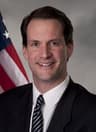 James Himes
Democrat · Connecticut
 Chrissy Houlahan
Democrat · Pennsylvania
 Val Hoyle
Democrat · Oregon
 Pramila Jayapal
Democrat · Washington
 Sara Jacobs
Democrat · California
 Jonathan Jackson
Democrat · Illinois
 John Larson
Democrat · Connecticut
 Stephen Lynch
Democrat · Massachusetts
 Ted Lieu
Democrat · California
 James McGovern
Democrat · Massachusetts
 Kweisi Mfume
Democrat · Maryland
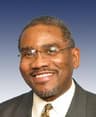 Gregory Meeks
Democrat · New York
 Gwen Moore
Democrat · Wisconsin
 Seth Moulton
Democrat · Massachusetts
 Jennifer McClellan
Democrat · Virginia
 April McClain Delaney
Democrat · Maryland
 Kelly Morrison
Democrat · Minnesota
 Sarah McBride
Democrat · Delaware
 Jerrold Nadler
Democrat · New York
 Eleanor Norton
Democrat · District of Columbia
 Chellie Pingree
Democrat · Maine
 Jimmy Panetta
Democrat · California
 Chris Pappas
Democrat · New Hampshire
 Mike Quigley
Democrat · Illinois
 Delia Ramirez
Democrat · Illinois
 Josh Riley
Democrat · New York
 Robert Scott
Democrat · Virginia
 Adam Smith
Democrat · Washington
 Marilyn Strickland
Democrat · Washington
 Mary Gay Scanlon
Democrat · Pennsylvania
 Greg Stanton
Democrat · Arizona
 Suhas Subramanyam
Democrat · Virginia
 Lateefah Simon
Democrat · California
 Mike Thompson
Democrat · California
 Jill Tokuda
Democrat · Hawaii
 Derek Tran
Democrat · California
 Nydia Velázquez
Democrat · New York
 Gabe Vasquez
Democrat · New Mexico
 Eugene Vindman
Democrat · Virginia
 James Walkinshaw
Democrat · Virginia