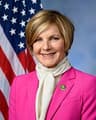
A Democratic bill with 1 Republican cosponsor · See the cosponsor
Last activity — Referred to the Committee on Ways and Means, and in addition to the Committee on Energy and Commerce, for a period to be subsequently determined by the Speaker, in each case for consideration of such provisions as fall within the jurisdiction of the committee concerned.
In committee
Introduced and handed to a committee in the chamber it started in.
The committee holds it, and most bills are never heard from again. A hearing or a committee vote would be news; silence is the usual outcome, and it kills the bill without anyone voting against it.
Its path through Congress
- Introduced
- In Committee
What this bill would do
This bill, known as the "Physicians for Underserved Areas Act," aims to amend the Social Security Act. It specifically seeks to improve how Medicare residency slots are redistributed after a hospital closes. The changes involve adjusting specific subclauses and updating the criteria used for redistribution. Instead of previous language, the bill introduces new requirements regarding the timing of utilizing and filling these available positions. These changes apply to hospitals that close on or after the date this Act is enacted.
Yes· 3 of 5
- Scored +2
Does this put more money into Medicare, the health coverage for people over 65?
The bill improves the efficiency of redistributing Medicare residency slots to ensure they are utilized more effectively.
- Scored +2
Does this make health care easier to get in general?
By ensuring residency slots from closed hospitals are filled more quickly, the bill helps maintain the pipeline of doctors for healthcare access.
- Scored +1
Would people over 65 be better off under this?
Improved redistribution of residency slots helps maintain the healthcare workforce that serves the elderly population through Medicare.
The opposite
No question was scored the opposite.
Who it would affect, and how
Potential Positive Impacts for People
- Improved efficiency in filling residency positions: The bill changes the criteria to focus on the likelihood of positions being used within 2 years and filled within 5 years (Section 2(a)(1)(B)). This could ensure that residency slots made available by closed hospitals are utilized more effectively.
Potential Negative Impacts for People
- No specific negative impacts are mentioned in the provided text: The text provided focuses on the technical amendments to the Social Security Act and does not list any specific negative consequences or burdens for individuals or groups.
Groups and Interests Ranking
Every group the model scored this bill for, from -10 to +10. Tap or hover a score for the reason it gave.
- Healthcare
- Does this make health care easier to get in general? — By ensuring residency slots from closed hospitals are filled more quickly, the bill helps maintain the pipeline of doctors for healthcare access. Does this put more money into Medicare, the health coverage for people over 65? — The bill improves the efficiency of redistributing Medicare residency slots to ensure they are utilized more effectively.
- Demographic And Interest Groups
- Would households on low incomes be better off under this? — Ensuring residency slots are filled helps stabilize the physician workforce which is critical for underserved areas often populated by low-income households. Would retired people be better off under this? — The bill supports the physician training pipeline which is a component of the healthcare system used by retirees. Would people over 65 be better off under this? — Improved redistribution of residency slots helps maintain the healthcare workforce that serves the elderly population through Medicare.
- 1/31/2025
- Referred to the Committee on Ways and Means, and in addition to the Committee on Energy and Commerce, for a period to be subsequently determined by the Speaker, in each case for consideration of such provisions as fall within the jurisdiction of the committee concerned.
- 1 Cosponsor added.
- Introduced in House
One bill Congress.gov lists as related to this one — companions in the other chamber, earlier versions, and bills this one absorbed or was folded into.
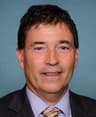 Troy Balderson
Republican · Ohio