Bill · H.R. 8693· House(119-HR-8693)
Deter PRC Aggression Against Taiwan Act
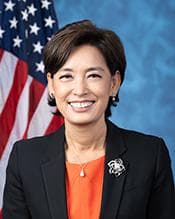
- Introduced
- 5/7/2026
- Last activity
- 5/7/2026 — Referred to the House Committee on Foreign Affairs.
- Sponsored by
- Young Kim
- Cosponsors
- - 1 - 1
- Introduced
- In Committee
What this bill would do
This bill, known as the "Deter PRC Aggression Against Taiwan Act," aims to create economic tools to prevent aggression by the People's Republic of China against Taiwan. It calls for the creation of a PRC Sanctions Task Force composed of various federal agencies. This task force is responsible for identifying military and non-military entities that could be sanctioned if the PRC attempts to take control of Taiwan. The task force must also develop strategies to coordinate with international allies and assess the economic impacts of these sanctions. Finally, the task force is required to provide regular reports to congressional committees regarding its findings and strategies.
Yes· 3 of 5
Does this strengthen ties with allied countries?+5
The bill mandates coordination with allies and partners to leverage economic tools against aggression.
Does this make what the government does easier for the public to see?+3
The bill requires the task force to submit regular reports to appropriate congressional committees.
Does this increase the pay, pensions or support veterans receive?+1
The bill focuses on national security deterrence which indirectly supports the stability of the nation.
The opposite
Would business owners be better off under this?-2
The bill notes that sanctions may have potential negative economic consequences for the United States and its partners.
Who it would affect, and how
Potential Positive Impacts for People
-
Deterrence of Aggression: By preparing immediate sanctions against entities that support efforts to overthrow or occupy Taiwan, the bill aims to deter actions such as naval blockades, seizing islands, or cyber attacks (Section 2).
-
Economic Support for Threatened Nations: The bill directs the task force to coordinate with allies to provide economic support to Taiwan and other countries threatened by the PRC (Section 4(b)(5)(D)).
-
Mitigation of Economic Harm: The strategy requires the task force to assess ways to mitigate negative economic consequences to the United States and its partners through the use of licenses and exemptions (Section 4(b)(3) and (4)).
Potential Negative Impacts for People
-
Economic Consequences to the United States: The bill acknowledges that imposing various types of sanctions could have potential economic consequences for the United States and its allies and partners (Section 4(b)(3)).
-
Global Financial Instability: The task force is required to consider the potential impact that targeting specific entities might have on the stability of the global financial system (Section 4(b)(7)(C)).
Groups and Interests Ranking
Every group the model scored this bill for, from -10 to +10. Hover a score for the reason it gave.
- National Security And Foreign Policy
- Improves International Alliances+5Improves Veterans Benefits+1
- Governance And Ideology
- Improves Government Transparency+3
- Demographic And Interest Groups
- Good For Business Owners-2
- Economy And Finance
- Improves Consumer Protection+1
- Education And Technology
- Improves Internet Access+1
- 8/20/2026
- 1 Cosponsor added.
- 5/7/2026
- Referred to the House Committee on Foreign Affairs.
- 1 Cosponsor added.
- Introduced in House
One bill Congress.gov lists as related to this one — companions in the other chamber, earlier versions, and bills this one absorbed or was folded into.
 Michael Lawler
Republican · New York
 Johnny Olszewski
Democrat · Maryland