Bill · H.R. 8596· House(119-HR-8596)
FAIR Labels Act of 2026
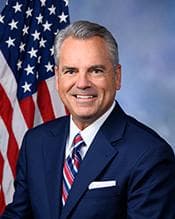
- Introduced
- 4/30/2026
- Last activity
- 4/30/2026 — Referred to the Committee on Agriculture, and in addition to the Committee on Energy and Commerce, for a period to be subsequently determined by the Speaker, in each case for consideration of such provisions as fall within the jurisdiction of the committee concerned.
- Sponsored by
- Mark Alford
- Cosponsors
- - 19 - 1
- Introduced
- In Committee
What this bill would do
This bill, known as the "FAIR Labels Act of 2026," seeks to amend the Federal Meat Inspection Act and the Poultry Products Inspection Act. The goal is to ensure consumers can make informed decisions when choosing between traditional meat and cell-cultivated or plant-based protein products. It establishes new labeling requirements for cell-cultivated protein products and plant-based alternative protein products. The Act also directs the Secretary of Agriculture and the Secretary of Health and Human Services to revise their Memorandum of Understanding regarding the regulation of these products. Additionally, the Secretary of Agriculture must develop common standards of identity for these protein products.
Yes
Does this give people more protection from unfair business practices?+5
The bill requires specific, prominent, and legible labeling to ensure consumers are fully informed about the source of their protein products.
Does this make what the government does easier for the public to see?+4
The bill increases transparency by mandating clear disclosures regarding the origin of cell-cultivated and plant-based foods.
Would farmers be better off under this?+2
By requiring clear distinction between traditional meat and alternatives, the bill helps prevent consumer confusion regarding traditional livestock products.
The opposite
Would business owners be better off under this?-3
The bill imposes new regulatory oversight, mandatory labeling standards, and inspection requirements on food producers.
Does this make the country readier for the next outbreak?-1
The bill focuses on food labeling and safety standards rather than pandemic readiness.
Who it would affect, and how
Potential Positive Impacts for People
-
Informed Consumer Decisions: The bill requires specific labeling for cell-cultivated and plant-based products so that consumers understand what they are purchasing. Under Section 3(a)(2), cell-cultivated products must include the words "cell-cultivated" next to the food name and a disclaimer that the product is not derived from naturally produced meat. Under Section 3(c)(2), plant-based products must include the phrase "plant-based alternative protein product" and a statement that they do not contain naturally produced meat or poultry.
-
Food Safety Oversight: The Secretary of Health and Human Services is tasked with several safety-related duties. According to Section 2(A-F), this includes conducting premarket consultations to evaluate production materials, overseeing cell collection and maintenance, ensuring compliance with food safety regulations, and conducting inspections to ensure biological material is safe.
-
Standardization: The bill mandates the development of common standards of identity for cell-cultivated and plant-based protein products. Under Section 3(d), the Secretary of Agriculture, in consultation with the Secretary of Health and Human Services, must create these standards within 180 days of the Act's enactment.
Potential Negative Impacts for People
-
Increased Labeling Burdens for Producers: Companies producing cell-cultivated or plant-based products must follow strict labeling rules. Section 3(a)(2) and 3(b)(2) require specific wording to be "prominent, conspicuous, and legible" and "immediately adjacent to the name of the food," which may impact how products are branded and packaged.
-
Regulatory Oversight Requirements: The bill mandates significant regulatory activity from government agencies. Section 2 requires the Secretary of Health and Human Services to conduct premarket consultations, oversee cell banks, ensure facility compliance, and perform inspections and enforcement actions regarding cell-cultivated protein products.
Groups and Interests Ranking
Every group the model scored this bill for, from -10 to +10. Hover a score for the reason it gave.
- Economy And Finance
- Improves Consumer Protection+5
- Governance And Ideology
- Improves Government Transparency+4
- Demographic And Interest Groups
- Good For Farmers+2Good For Business Owners-3
- Healthcare
- Improves Pandemic Preparedness-1
- 9/1/2026
- 1 Cosponsor added.
- 7/21/2026
- 2 Cosponsors added.
- 6/23/2026
- 1 Cosponsor added.
- 6/18/2026
- 1 Cosponsor added.
- 6/8/2026
- 1 Cosponsor added.
- 6/4/2026
- 1 Cosponsor added.
- 6/2/2026
- 1 Cosponsor added.
- 5/22/2026
- 1 Cosponsor added.
- 5/15/2026
- 1 Cosponsor added.
- 5/13/2026
- 2 Cosponsors added.
- 5/7/2026
- 1 Cosponsor added.
- 4/30/2026
- Referred to the Committee on Agriculture, and in addition to the Committee on Energy and Commerce, for a period to be subsequently determined by the Speaker, in each case for consideration of such provisions as fall within the jurisdiction of the committee concerned.
- 7 Cosponsors added.
- Introduced in House
One bill Congress.gov lists as related to this one — companions in the other chamber, earlier versions, and bills this one absorbed or was folded into.
 Lauren Boebert
Republican · Colorado
 Don Bacon
Republican · Nebraska
 Earl Carter
Republican · Georgia
 Gabe Evans
Republican · Colorado
 Russ Fulcher
Republican · Idaho
 Mike Flood
Republican · Nebraska
 Paul Gosar
Republican · Arizona
 Ronny Jackson
Republican · Texas
 Tracey Mann
Republican · Kansas
 John Moolenaar
Republican · Michigan
 Barry Moore
Republican · Alabama
 John McGuire
Republican · Virginia
 August Pfluger
Republican · Texas
 David Rouzer
Republican · North Carolina
 Michael Simpson
Republican · Idaho
 Adrian Smith
Republican · Nebraska
 Jason Smith
Republican · Missouri
 Darren Soto
Democrat · Florida
 Beth Van Duyne
Republican · Texas
 Tony Wied
Republican · Wisconsin