
A Democratic bill with 8 Democratic cosponsors · See all 8 cosponsors
Last activity — Referred to the Committee on Energy and Commerce, and in addition to the Committee on Ways and Means, for a period to be subsequently determined by the Speaker, in each case for consideration of such provisions as fall within the jurisdiction of the committee concerned.
In committee
Introduced and handed to a committee in the chamber it started in.
The committee holds it, and most bills are never heard from again. A hearing or a committee vote would be news; silence is the usual outcome, and it kills the bill without anyone voting against it.
Its path through Congress
- Introduced
- In Committee
What this bill would do
This bill is known as the RECOVER Act of 2026. It aims to change how the Medicare program pays for certain multiple therapy services. Right now, there is a payment reduction for these services. The bill gets rid of this payment reduction starting on January 1, 2027. This applies to services under the physician fee schedule, outpatient therapy services, and comprehensive outpatient rehabilitation services.
Yes· 3 of 7
- Scored +3
Would people over 65 be better off under this?
The bill supports the Medicare services that seniors rely on for outpatient and rehabilitation care.
- Scored +3
Would retired people be better off under this?
The bill protects the availability and funding of vital rehabilitation services used by retirees via Medicare.
- Scored +3
Does this put more money into Medicare, the health coverage for people over 65?
The bill increases Medicare reimbursement rates by eliminating the 50 percent reduction for certain therapy services.
The opposite
No question was scored the opposite.
Who it would affect, and how
Potential Positive Impacts for People
- Elimination of Payment Reductions: Section 2(a) and Section 2(b) eliminate the 50 percent payment reduction for certain multiple therapy services furnished on or after January 1, 2027. This is positive because it stops the reduction of payments for these vital therapy services under Medicare.
Potential Negative Impacts for People
- No Negative Impacts Found: Based on the provided text, there are no specific sections or provisions identified that create negative consequences or burdens for individuals or groups of people.
Groups and Interests Ranking
Every group the model scored this bill for, from -10 to +10. Tap or hover a score for the reason it gave.
- Demographic And Interest Groups
- Would retired people be better off under this? — The bill protects the availability and funding of vital rehabilitation services used by retirees via Medicare. Would people over 65 be better off under this? — The bill supports the Medicare services that seniors rely on for outpatient and rehabilitation care. Would households on low incomes be better off under this? — Enhanced Medicare coverage benefits low-income individuals who rely on these services through Medicare.
- Healthcare
- Does this put more money into Medicare, the health coverage for people over 65? — The bill increases Medicare reimbursement rates by eliminating the 50 percent reduction for certain therapy services. Does this make health care easier to get in general? — Increasing reimbursement rates for outpatient and rehabilitation services can help ensure these services remain available to patients.
- Economy And Finance
- Is this likely to create jobs? — By eliminating payment reductions for therapy services, the bill may support the financial stability of healthcare providers who employ therapists.
- Social Issues And Justice
- Does this strengthen Social Security? — The bill strengthens the Medicare program, which is a key component of the social safety net for seniors.
- 10/22/2026
- 3 Cosponsors added.
- 10/5/2026
- 1 Cosponsor added.
- 9/24/2026
- 2 Cosponsors added.
- 5/29/2026
- 2 Cosponsors added.
- 4/20/2026
- Referred to the Committee on Energy and Commerce, and in addition to the Committee on Ways and Means, for a period to be subsequently determined by the Speaker, in each case for consideration of such provisions as fall within the jurisdiction of the committee concerned.
- Introduced in House
 Steve Cohen
Democrat · Tennessee
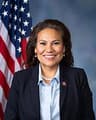 Veronica Escobar
Democrat · Texas
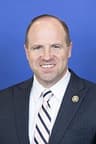 Timothy Kennedy
Democrat · New York
 Eleanor Norton
Democrat · District of Columbia
 Janice Schakowsky
Democrat · Illinois
 Shri Thanedar
Democrat · Michigan
 Gabe Vasquez
Democrat · New Mexico
 Eugene Vindman
Democrat · Virginia