Bill · H.R. 7891· House(119-HR-7891)
Student Aid Fraud Oversight and Accountability Act of 2026
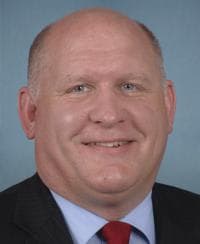
- Introduced
- 3/12/2026
- Last activity
- 5/26/2026 — Placed on the Union Calendar, Calendar No. 582.
- Sponsored by
- Glenn Thompson
- Cosponsors
- - 1 - 0
- Introduced
- On Calendar
What this bill would do
This bill, titled the "Student Aid Fraud Oversight and Accountability Act of 2026," seeks to amend the Higher Education Act of 1965. It directs the Secretary of Education to prioritize program reviews for colleges that hand out Federal financial aid to students when there is a reasonable suspicion of identity fraud on their FAFSA. Institutions can avoid this priority if they prove they verified the student's identity through in-person or live audiovisual methods before giving out the aid. The identification of these institutions is meant to guide oversight activities like audits and investigations.
Yes· 3 of 5
Does this make college cost less?+2
The bill aims to protect the integrity of Federal financial aid through increased oversight of potential identity fraud.
Does this make what the government does easier for the public to see?+2
The bill increases oversight and program reviews regarding the distribution of federal student aid.
Does this give people more control over their personal data?+1
The bill focuses on the verification of student identities to prevent fraud within the financial aid system.
The opposite
No question was scored the opposite.
Who it would affect, and how
Potential Positive Impacts for People
-
Increased Oversight of Financial Aid: The bill requires the Secretary of Education to prioritize program reviews for institutions that disburse aid without verifying identities when a reasonable suspicion of fraud exists (Section 2(a) and Section s 2(c)(1)). This could help ensure that Federal financial aid is being distributed correctly.
-
Pathways for Verification: Institutions have a way to prevent being flagged for priority review if they confirm a student's identity through in-person or live, synchronous audiovisual verification (Section 2(b)(1)).
Potential Negative Impacts for People
-
Increased Burden on Institutions: Schools must follow specific procedures to confirm a student's identity through in-person or live, synchronous audiovisual methods to avoid being identified for prioritized reviews (Section 2(b)(1)).
-
Uncertainty of Investigations: Being identified under this act may be used to inform investigations or audits, though the bill states this identification alone does not prove an institution failed to meet requirements (Section 2(c)).
Groups and Interests Ranking
Every group the model scored this bill for, from -10 to +10. Hover a score for the reason it gave.
- Education And Technology
- Improves College Affordability+2Improves Data Privacy+1
- Demographic And Interest Groups
- Good For Low Income Households+1Good For Students+1
- Governance And Ideology
- Improves Government Transparency+2
- 5/26/2026
- Reported (Amended) by the Committee on Education and Workforce. H. Rept. 119-668.
- Placed on the Union Calendar, Calendar No. 582.
- 3/18/2026
- 1 Cosponsor added.
- 3/17/2026
- Committee Consideration and Mark-up Session Held
- Ordered to be Reported (Amended) by the Yeas and Nays: 33 - 0.
- 3/12/2026
- Referred to the House Committee on Education and Workforce.
- Introduced in House
One bill Congress.gov lists as related to this one — companions in the other chamber, earlier versions, and bills this one absorbed or was folded into.
 Virginia Foxx
Republican · North Carolina