Bill · H.R. 7457· House(119-HR-7457)
Nigeria Religious Freedom and Accountability Act of 2026
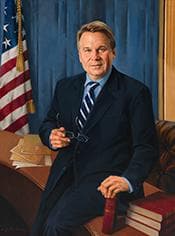
- Introduced
- 2/10/2026
- Last activity
- 2/10/2026 — Referred to the Committee on Foreign Affairs, and in addition to the Committee on the Judiciary, for a period to be subsequently determined by the Speaker, in each case for consideration of such provisions as fall within the jurisdiction of the committee concerned.
- Sponsored by
- Christopher Smith
- Cosponsors
- - 7 - 0
- Introduced
- In Committee
What this bill would do
This bill, known as the "Nigeria Religious Freedom and Accountability Act of 2026," aims to address religious persecution and mass atrocities in Nigeria. It seeks to compel the United States government to monitor and report on efforts to combat violence against religious minorities, particularly Christians. The legislation highlights systemic issues including mass killings, kidnappings, and the use of blasphemy laws. It proposes using diplomatic, economic, and security tools to pressure the Nigerian government to protect its citizens. Additionally, the bill calls for targeted sanctions against entities responsible for these human rights violations. Finally, it mandates regular comprehensive reports to Congress to ensure accountability and progress.
Yes· 3 of 7
Does this protect the freedom to practise a religion?+8
The bill uses diplomatic and economic pressure to protect the rights of Christian communities and other religious minorities in Nigeria.
Does this make what the government does easier for the public to see?+5
The bill mandates regular, comprehensive reports to Congress regarding United States efforts to address atrocities in Nigeria.
Would farmers be better off under this?+4
The bill highlights the need to protect individuals like Christian farmers who face violence while working their land.
The opposite
No question was scored the opposite.
Who it would affect, and how
Potential Positive Impacts for People
-
Protection of Vulnerable Communities: The bill encourages the use of diplomatic and economic tools to pressure the Nigerian government to protect Christian communities, clergy, and other religious minorities (Section 3, Subsection 3, B).
-
Support for Displaced Persons: The legislation seeks to enable the safe and voluntary return of internally displaced persons to their homelands, prioritizing persecuted Christian communities (Section 3, Subsection 3, C).
-
Humanitarian Aid Delivery: It encourages the delivery of humanitarian assistance through trusted civil society and faith-based organizations in Nigeria's middle belt states (Section 3, Subsection 6).
-
Legal Reform and Rights: The bill advocates for the repeal of blasphemy laws and the release of prisoners detained for their faith to ensure freedom of religion is protected (Section 3, Subsection 3, D).
-
Accountability for Perpetrators: It proposes the use of targeted sanctions, such as visa bans and asset freezes, against individuals or entities responsible for severe religious freedom violations (Section 3, Subsection 7).
Potential Negative Impacts for People
-
Risks of Security Assistance: The bill notes the need to evaluate whether United States security assistance risks enabling or exacerbating religious persecution (Section 4, Subsection B, 4).
-
Counteracting Foreign Exploitation: The text mentions that the United States should work with Nigeria to counteract the destabilizing practice of Chinese illegal mining operations paying protection money to Fulani militias (Section 3, Subsection 11).
Groups and Interests Ranking
Every group the model scored this bill for, from -10 to +10. Hover a score for the reason it gave.
- Social Issues And Justice
- Improves Religious Freedom+8Improves Poverty Reduction+2Improves Border Security+1
- Demographic And Interest Groups
- Good For Farmers+4Good For Low Income Households+3
- Governance And Ideology
- Improves Government Transparency+5
- National Security And Foreign Policy
- Improves International Alliances+3
- 6/8/2026
- 1 Cosponsor added.
- 3/30/2026
- 1 Cosponsor added.
- 2/10/2026
- Referred to the Committee on Foreign Affairs, and in addition to the Committee on the Judiciary, for a period to be subsequently determined by the Speaker, in each case for consideration of such provisions as fall within the jurisdiction of the committee concerned.
- 5 Cosponsors added.
- Introduced in House
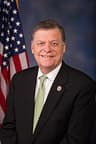 Tom Cole
Republican · Oklahoma
 Mario Diaz-Balart
Republican · Florida
 Bill Huizenga
Republican · Michigan
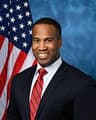 John James
Republican · Michigan
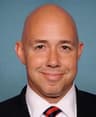 Brian Mast
Republican · Florida
 Riley Moore
Republican · West Virginia
 Tim Moore
Republican · North Carolina