Bill · H.R. 7387· House(119-HR-7387)
Stop Settlement Slush Funds Act of 2026
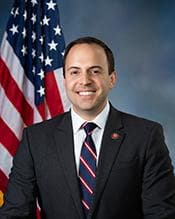
- Introduced
- 2/5/2026
- Last activity
- 2/5/2026 — Referred to the House Committee on the Judiciary.
- Sponsored by
- Lance Gooden
- Cosponsors
- - 9 - 0
- Introduced
- In Committee
What this bill would do
The "Stop Settlement Slush Funds Act of 2026" aims to limit donations made through settlement agreements where the United States is a party. It prohibits government officials from entering into settlements that direct payments to entities other than the United States, unless those payments are for restitution of actual harm or for services rendered. Government officials who violate this rule face penalties under title 31 of the United States Code. The Act also requires Federal agencies to submit annual reports to the Congressional Budget Office regarding specific settlement payments. Additionally, it mandates an annual audit by the Inspector General to report violations to specific Congressional committees.
Yes· 3 of 5
Does this make what the government does easier for the public to see?+5
The act significantly improves transparency by requiring annual reports to the CBO and public audit reports.
Does this make the government pay for what it commits to?+3
The act improves fiscal responsibility by increasing transparency and oversight of settlement fund distributions.
Does this give the federal government more power?+1
The bill increases federal oversight and accountability requirements for agency officials.
The opposite
No question was scored the opposite.
Who it would affect, and how
Potential Positive Impacts for People
-
Prevention of unauthorized payments: By prohibiting officials from directing settlement money to entities other than the United States unless it is for direct remedy or services, the bill limits how money is distributed (Section 2(a)).
-
Increased transparency through reporting: Federal agencies must submit electronic reports to the Congressional Budget Office detailing settlement parties, fund sources, and distribution methods (Section 2(e)(1)).
-
Public accountability via audits: The Inspector General is required to submit reports on settlement violations to specific Congressional committees and make them available on a publicly accessible website (Section 2(f)(1)).
-
Accountability for government officials: Officials or agents who violate the donation limitations are subject to penalties defined in section 3302 of title 31 of the United States Code (Section 2(b)).
Potential Negative Impacts for People
- No specific negative impacts are explicitly stated in the text provided.
Groups and Interests Ranking
Every group the model scored this bill for, from -10 to +10. Hover a score for the reason it gave.
- Governance And Ideology
- Improves Government Transparency+5Increases Federal Power+1
- Economy And Finance
- Improves Fiscal Responsibility+3Reduces Government Spending+1
- Environment Energy And Infrastructure
- Improves Environmental Protections+1
- 2/5/2026
- Referred to the House Committee on the Judiciary.
- 9 Cosponsors added.
- Introduced in House
One bill Congress.gov lists as related to this one — companions in the other chamber, earlier versions, and bills this one absorbed or was folded into.
 Russell Fry
Republican · South Carolina
 Barry Moore
Republican · Alabama
 Addison McDowell
Republican · North Carolina
 Andrew Ogles
Republican · Tennessee
 Gary Palmer
Republican · Alabama
 David Rouzer
Republican · North Carolina
 Chip Roy
Republican · Texas
 Thomas Tiffany
Republican · Wisconsin
 Claudia Tenney
Republican · New York