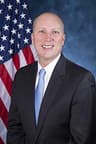
Chip Roy (R-TX)
No Taxpayer Funding for the U.N. Population Fund
A Republican bill with 11 Republican cosponsors · See all 11 cosponsors
Last activity — Referred to the House Committee on Foreign Affairs.
In committee
Introduced and handed to a committee in the chamber it started in.
The committee holds it, and most bills are never heard from again. A hearing or a committee vote would be news; silence is the usual outcome, and it kills the bill without anyone voting against it.
Its path through Congress
- Introduced
- In Committee
What this bill would do
This bill is titled the "No Taxpayer Funding for the U.N. Population Fund Act." It aims to prohibit the United States from providing money to the United Nations Population Fund. The legislation ensures that no funds from the Department of State or any other department or agency can be used for this purpose. This prohibition applies to both direct and indirect contributions.
Yes
- Scored +1
Does this reduce what the federal government spends?
The bill reduces government spending by prohibiting all direct and indirect contributions to the United Nations Population Fund.
The opposite· 3 of 4
- Scored -3
Would women be better off under this?
The United Nations Population Fund focuses on reproductive health, which specifically benefits women, and cutting its funding may negatively impact women globally.
- Scored -2
Does this make health care easier to get in general?
Cutting funding to the United Nations Population Fund may reduce global access to reproductive and healthcare services.
- Scored -1
Would households on low incomes be better off under this?
Reducing international aid to health funds can negatively impact low-income populations reliant on those global health initiatives.
Who it would affect, and how
Potential Positive Impacts for People
- Prevention of fund usage: The bill ensures that no funds available to the Department of State or any other department or agency are used to provide contributions, whether directly or indirectly, to the United Nations Population Fund (Section 2).
Potential Negative Impacts for People
- Loss of funding: By prohibiting any funds from being used to provide contributions directly or indirectly to the United Nations Population Fund, the bill stops the flow of money from the Department of State or any other department or agency to that specific organization (Section 2).
Groups and Interests Ranking
Every group the model scored this bill for, from -10 to +10. Tap or hover a score for the reason it gave.
- Demographic And Interest Groups
- Would women be better off under this? — The United Nations Population Fund focuses on reproductive health, which specifically benefits women, and cutting its funding may negatively impact women globally. Would households on low incomes be better off under this? — Reducing international aid to health funds can negatively impact low-income populations reliant on those global health initiatives.
- Healthcare
- Does this make health care easier to get in general? — Cutting funding to the United Nations Population Fund may reduce global access to reproductive and healthcare services.
- Economy And Finance
- Does this reduce what the federal government spends? — The bill reduces government spending by prohibiting all direct and indirect contributions to the United Nations Population Fund.
- Social Issues And Justice
- Is this likely to lift people out of poverty? — The cessation of funding to the United Nations Population Fund may negatively impact international programs aimed at poverty reduction through reproductive health.
- 1/31/2025
- 1 Cosponsor added.
- 1/28/2025
- 2 Cosponsors added.
- 1/23/2025
- Referred to the House Committee on Foreign Affairs.
- 8 Cosponsors added.
- Introduced in House
 Andy Biggs
Republican · Arizona
 Michael Cloud
Republican · Texas
 Dan Crenshaw
Republican · Texas
 Paul Gosar
Republican · Arizona
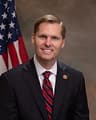 Michael Guest
Republican · Mississippi
 Andy Harris
Republican · Maryland
 Mark Harris
Republican · North Carolina
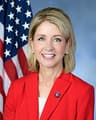 Mary Miller
Republican · Illinois
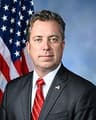 Andrew Ogles
Republican · Tennessee
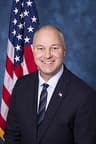 Pete Stauber
Republican · Minnesota
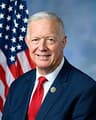 Randy Weber
Republican · Texas