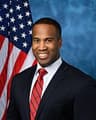
John James (R-MI)
To amend the National Security Act of 1947 to include school security as an element of the National Security Strategy, and for other purposes.
A Republican bill with 1 Democratic cosponsor · See the cosponsor
Last activity — Referred to the Committee on Education and Workforce, and in addition to the Committee on Armed Services, for a period to be subsequently determined by the Speaker, in each case for consideration of such provisions as fall within the jurisdiction of the committee concerned.
In committee
Introduced and handed to a committee in the chamber it started in.
The committee holds it, and most bills are never heard from again. A hearing or a committee vote would be news; silence is the usual outcome, and it kills the bill without anyone voting against it.
Its path through Congress
- Introduced
- In Committee
What this bill would do
This bill aims to amend the National Security Act of 1947. It proposes to include school security as a component of the National Security Strategy. This inclusion covers elementary schools, secondary schools, and institutions of higher education. Additionally, the Secretary of Education and the Secretary of Homeland Security would be required to conduct a comprehensive assessment of threats to these schools. These officials must consult with State chief executives during the assessment process. Finally, a joint report on the findings must be submitted to congressional committees and leadership within 180 days of enactment.
Yes· 3 of 4
- Scored +5
Would children be better off under this?
The bill mandates a comprehensive threat assessment to ensure the safety of elementary and secondary school students.
- Scored +5
Would students be better off under this?
The bill seeks to enhance the safety and security of students in elementary, secondary, and higher education institutions.
- Scored +4
Would people in their twenties and thirties be better off under this?
The bill includes institutions of higher education in its school security assessment requirements.
The opposite
No question was scored the opposite.
Who it would affect, and how
Potential Positive Impacts for People
-
National Security Integration: By amending the National Security Act of 1947, the bill includes strategies and capabilities needed to ensure the safety and security of schools, including elementary, secondary, and higher education institutions (Section 1).
-
Threat Awareness: The Secretary of Education and the Secretary of Homeland Security are tasked with conducting a comprehensive assessment of threats to schools in the United States (Section 2(a)).
-
State Collaboration: The assessment process requires the Secretaries to consult with the chief executive of each State, ensuring local leadership is involved (Section 2(b)).
Potential Negative Impacts for People
- No negative impacts are explicitly stated in the provided text.
Groups and Interests Ranking
Every group the model scored this bill for, from -10 to +10. Tap or hover a score for the reason it gave.
- Demographic And Interest Groups
- Would children be better off under this? — The bill mandates a comprehensive threat assessment to ensure the safety of elementary and secondary school students. Would students be better off under this? — The bill seeks to enhance the safety and security of students in elementary, secondary, and higher education institutions. Would people in their twenties and thirties be better off under this? — The bill includes institutions of higher education in its school security assessment requirements.
- Governance And Ideology
- Does this make what the government does easier for the public to see? — The bill requires the submission of a joint report on school security threats to congressional committees and leadership.
- 1/7/2026
- Referred to the Committee on Education and Workforce, and in addition to the Committee on Armed Services, for a period to be subsequently determined by the Speaker, in each case for consideration of such provisions as fall within the jurisdiction of the committee concerned.
- 1 Cosponsor added.
- Introduced in House
 Patrick Ryan
Democrat · New York