Bill · H.R. 6786· House(119-HR-6786)
Schedules That Work Act
- Introduced
- 12/17/2025
- Last activity
- 12/17/2025 — Referred to the Committee on Education and Workforce, and in addition to the Committees on House Administration, Oversight and Government Reform, and the Judiciary, for a period to be subsequently determined by the Speaker, in each case for consideration of such provisions as fall within the jurisdiction of the committee concerned.
- Sponsored by
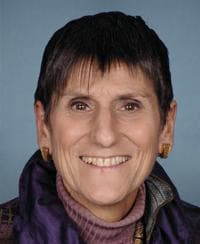
- Rosa DeLauro
- Cosponsors
- - 54 - 0
- Introduced
- In Committee
What this bill would do
The "Schedules That Work Act" is designed to give employees more control over their work hours and more predictable schedules. It allows employees to request changes to their terms of employment, such as shift times or the number of hours worked. For certain employees, employers must provide schedules at least 14 days in advance and pay "predictability pay" for last-minute changes. The bill also establishes requirements for rest between shifts and pay for split shifts. It includes protections against employer retaliation for exercising these new rights.
Yes· 3 of 11
Would households on low incomes be better off under this?+5
The act specifically targets sectors and scheduling practices that disproportionately impact low-income workers.
Would women be better off under this?+4
Increased schedule flexibility and stability support women in their roles as primary or co-breadwinners and caregivers.
Does this make child care cost less?+4
Increased schedule stability helps parents maintain more stable childcare arrangements.
The opposite
Would business owners be better off under this?-4
Business owners must implement costly notice periods, predictability pay, and split-shift pay.
Does this make it easier to run a small business?-3
Employers face increased administrative burdens and costs due to predictability pay and notice requirements.
Who it would affect, and how
Potential Positive Impacts for People
-
Increased Schedule Predictability: Covered sector employees must receive their work schedules at least 14 days in advance, which helps people plan their lives (Section 4(a)(1)(A)).
-
Financial Protection for Schedule Changes: Employers must provide "predictability pay" if they change a schedule with less than 14 days' notice, helping workers avoid unexpected disruptions (Section 4(b)).
-
Greater Flexibility for Personal Needs: Employers are required to grant schedule change requests related to serious health conditions, caregiving responsibilities, education, or other jobs, unless there is a "bona fide business reason" (Section 3(c)).
-
Improved Rest and Well-being: The Act allows employees to decline shifts that occur less than 11 hours after a previous shift, promoting better rest (Section 5(a)).
-
Protection for Caregivers: The bill defines caregivers broadly to include those looking after children or family members with serious health conditions, supporting those with family responsibilities (Section 2(3)).
-
Legal Recourse for Workers: Employees have the right to bring civil actions against employers who violate the Act's provisions regarding notice, rest, or schedule changes (Section 7(b)).
Potential Negative Impacts for People
-
Limits on Employer Discretion: Employers may deny schedule requests that are not related to specific protected reasons, such as health or caregiving, for any reason that is not unlawful (Section 3(d)).
-
Potential for Business Disruptions: Employers can deny requests for schedule changes if they have a "bona fide business reason," such as increased costs or a significant inability to meet organizational needs (Section 2(1)).
-
Exceptions to Pay Requirements: Employers are not required to pay predictability pay if a schedule change results from a mutually agreed-upon shift trade between employees or certain emergencies like natural disasters (Section 4(b)(2)).
-
Workplace Disputes: The bill allows for legal actions and investigations, which could lead to litigation between employers and employees (Section 7).
Groups and Interests Ranking
Every group the model scored this bill for, from -10 to +10. Hover a score for the reason it gave.
- Demographic And Interest Groups
- Good For Low Income Households+5Good For Women+4Good For African Americans+3Good For Hispanic Americans+3Good For Young Adults+3Good For Middle Class Households+2Good For Union Workers+2Good For Business Owners-4
- Social Issues And Justice
- Improves Childcare Affordability+4Improves Poverty Reduction+3
- Economy And Finance
- Improves Union Protections+1Improves Small Business Support-3
- Governance And Ideology
- Improves Government Transparency+2
- 8/24/2026
- 1 Cosponsor added.
- 7/22/2026
- 1 Cosponsor added.
- 6/29/2026
- 1 Cosponsor added.
- 4/14/2026
- 1 Cosponsor added.
- 3/17/2026
- 1 Cosponsor added.
- 2/12/2026
- 1 Cosponsor added.
- 2/10/2026
- 1 Cosponsor added.
- 1/22/2026
- 1 Cosponsor added.
- 12/17/2025
- Referred to the Committee on Education and Workforce, and in addition to the Committees on House Administration, Oversight and Government Reform, and the Judiciary, for a period to be subsequently determined by the Speaker, in each case for consideration of such provisions as fall within the jurisdiction of the committee concerned.
- 46 Cosponsors added.
- Introduced in House
 Alma Adams
Democrat · North Carolina
 Yassamin Ansari
Democrat · Arizona
 Suzanne Bonamici
Democrat · Oregon
 Joyce Beatty
Democrat · Ohio
 Nikki Budzinski
Democrat · Illinois
 Emanuel Cleaver
Democrat · Missouri
 André Carson
Democrat · Indiana
 Judy Chu
Democrat · California
 Greg Casar
Democrat · Texas
 Danny Davis
Democrat · Illinois
 Lloyd Doggett
Democrat · Texas
 Christopher Deluzio
Democrat · Pennsylvania
 Mark DeSaulnier
Democrat · California
 Debbie Dingell
Democrat · Michigan
 Dwight Evans
Democrat · Pennsylvania
 Maxwell Frost
Democrat · Florida
 Valerie Foushee
Democrat · North Carolina
 Jesús García
Democrat · Illinois
 Robert Garcia
Democrat · California
 Daniel Goldman
Democrat · New York
 Adelita Grijalva
Democrat · Arizona
 Pramila Jayapal
Democrat · Washington
 Raja Krishnamoorthi
Democrat · Illinois
 Zoe Lofgren
Democrat · California
 John Larson
Democrat · Connecticut
 Stephen Lynch
Democrat · Massachusetts
 Ted Lieu
Democrat · California
 Summer Lee
Democrat · Pennsylvania
 James McGovern
Democrat · Massachusetts
 Betty McCollum
Democrat · Minnesota
 Gwen Moore
Democrat · Wisconsin
 Grace Meng
Democrat · New York
 Seth Magaziner
Democrat · Rhode Island
 Jennifer McClellan
Democrat · Virginia
 Jerrold Nadler
Democrat · New York
 Eleanor Norton
Democrat · District of Columbia
 Donald Norcross
Democrat · New Jersey
 Alexandria Ocasio-Cortez
Democrat · New York
 Ilhan Omar
Democrat · Minnesota
 Chellie Pingree
Democrat · Maine
 Mark Pocan
Democrat · Wisconsin
 Deborah Ross
Democrat · North Carolina
 Delia Ramirez
Democrat · Illinois
 Janice Schakowsky
Democrat · Illinois
 Andrea Salinas
Democrat · Oregon
 Lateefah Simon
Democrat · California
 Bennie Thompson
Democrat · Mississippi
 Mark Takano
Democrat · California
 Rashida Tlaib
Democrat · Michigan
 Jill Tokuda
Democrat · Hawaii
 Shri Thanedar
Democrat · Michigan
 Lauren Underwood
Democrat · Illinois
 Nikema Williams
Democrat · Georgia
 Frederica Wilson
Democrat · Florida