Bill · H.R. 6624· House(119-HR-6624)
Biological Intellectual Property Protection Act of 2025
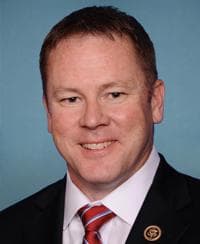
- Introduced
- 12/11/2025
- Last activity
- 4/22/2026 — Ordered to be Reported in the Nature of a Substitute (Amended) by the Yeas and Nays: 30 - 14.
- Sponsored by
- Warren Davidson
- Cosponsors
- - 8 - 3
- Introduced
What this bill would do
The Biological Intellectual Property Protection Act of 2025 aims to restrict the export of United States intellectual property and sensitive information regarding synthetic biology to foreign entities of concern. The bill seeks to address concerns regarding the People's Republic of China's efforts to access sensitive data to modernize its military and intelligence capabilities. To prevent this, the act amends the Export Control Reform Act of 2018. It establishes a requirement for a license to export digital sequences of synthetic DNA or RNA designed by humans or artificial intelligence. This regulation targets transfers to foreign entities of concern to protect national security and intellectual property.
Yes· 3 of 4
Does this make patent and copyright rules fairer?+5
The bill provides stronger protections for United States intellectual property regarding synthetic DNA and RNA sequences.
Does this give the federal government more power?+3
The bill expands federal authority by requiring the Secretary to oversee and license the export of specific biological digital sequences.
Does this better protect the country from computer attacks?+3
The bill protects sensitive digital genetic sequences from being exploited by foreign adversaries to modernize their military capabilities.
The opposite
Would business owners be better off under this?-3
Biotechnology business owners will face new regulatory hurdles and licensing requirements for exporting digital sequences.
Does this make it easier to run a small business?-2
The bill imposes new licensing requirements on the export of synthetic biology digital sequences which may increase regulatory burdens for biotechnology firms.
Does this make trade with other countries easier?-2
The bill adds export licensing requirements that could restrict the movement of biotechnology information across borders.
Who it would affect, and how
Potential Positive Impacts for People
-
Protection of Intellectual Property: The bill seeks to control the export of digital sequences of synthetic DNA or RNA to prevent intellectual property theft by foreign adversaries (Section 2, Subsection 5 and Section 3).
-
National Security Safeguards: By requiring a license for the export of sensitive digital sequences to foreign entities of concern, the bill aims to mitigate threats posed by the modernization of foreign military and intelligence apparatuses (Section 2, Subsections 1, 2, and 3).
Potential Negative Impacts for People
- Increased Regulatory Requirements: The bill mandates that the Secretary require a license for the export, reexport, or in-country transfer of digital sequences of synthetic DNA or RNA designed by humans or AI to foreign entities of concern (Section 3, Subsection a).
Groups and Interests Ranking
Every group the model scored this bill for, from -10 to +10. Hover a score for the reason it gave.
- Education And Technology
- Improves Intellectual Property Fairness+5Improves Data Privacy+2
- Demographic And Interest Groups
- Good For Business Owners-3
- Governance And Ideology
- Increases Federal Power+3
- Economy And Finance
- Improves Small Business Support-2
- National Security And Foreign Policy
- Improves Cybersecurity Defense+3Improves International Trade-2
- 4/22/2026
- Committee Consideration and Mark-up Session Held
- Ordered to be Reported in the Nature of a Substitute (Amended) by the Yeas and Nays: 30 - 14.
- 4/20/2026
- 1 Cosponsor added.
- 3/3/2026
- 2 Cosponsors added.
- 1/8/2026
- 1 Cosponsor added.
- 12/16/2025
- 2 Cosponsors added.
- 12/11/2025
- Referred to the House Committee on Foreign Affairs.
- 5 Cosponsors added.
- Introduced in House
One bill Congress.gov lists as related to this one — companions in the other chamber, earlier versions, and bills this one absorbed or was folded into.
 Stephanie Bice
Republican · Oklahoma
 Nicholas Begich
Republican · Alaska
 Donald Davis
Democrat · North Carolina
 Brandon Gill
Republican · Texas
 Chrissy Houlahan
Democrat · Pennsylvania
 Pat Harrigan
Republican · North Carolina
 Young Kim
Republican · California
 Michael Lawler
Republican · New York
 Michael McCaul
Republican · Texas
 April McClain Delaney
Democrat · Maryland
 Pete Sessions
Republican · Texas