Bill · H.R. 6547· House(119-HR-6547)
Least Cost Exception Act
- Introduced
- 12/10/2025
- Last activity
- 2/2/2026 — Placed on the Union Calendar, Calendar No. 405.
- Sponsored by
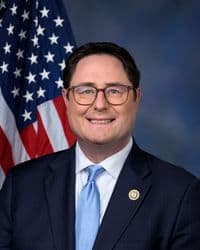
- Mike Flood
- Cosponsors
- - 2 - 2
- Introduced
- On Calendar
What this bill would do
This bill, known as the "Least Cost Exception Act," seeks to amend the Federal Deposit Insurance Act. It provides an exception to the current requirement that the Corporation must use the least-cost resolution method. Under this amendment, the Corporation may choose an alternative method that costs more than the least-cost option if certain conditions are met. This exception is intended to limit the further concentration of the United States banking system among global systemically important banking organizations. The Corporation and the Board of Governors of the Federal Reserve System would determine if the benefits of limiting banking concentration outweigh the additional risks to the Deposit Insurance Fund.
Yes· 3 of 4
Does this make it easier to run a small business?+3
By limiting banking concentration among global giants, the bill may foster a more diverse banking environment conducive to smaller institutions.
Does this make what the government does easier for the public to see?+3
The bill requires the Corporation to issue a report to Congressional committees detailing the economic impact of its decision.
Is this likely to grow the economy?+2
The bill aims to limit banking concentration to prevent systemic risks that could impede long-term growth.
The opposite
Does this make the government pay for what it commits to?-2
The bill allows the Corporation to select resolution methods that are more expensive than the least-cost option, potentially straining the Deposit Insurance Fund.
Who it would affect, and how
Potential Positive Impacts for People
-
Limiting Banking Concentration: The bill allows the Corporation to select alternatives that help limit the concentration of the United States banking system in global systemically important banking organizations (Section 2(a)(i)(II)).
-
Economic Stability through Controlled Costs: The Corporation is required to establish criteria for a maximum allowable cost against the net worth of the Deposit Insurance Fund, which helps manage the financial impact of these decisions (Section 2(a)(i)(ii)).
-
Accountability through Reporting: The Corporation must issue a report to Congressional committees within 30 days of selecting an alternative, providing an analysis of the economic difference between the chosen method and the least-cost method (Section 2(a)(i)(iv)).
Potential Negative Impacts for People
-
Increased Costs to the Deposit Insurance Fund: The Corporation may select an alternative method that is not the least costly to the Deposit Insurance Fund (Section 2(a)(i)(i)).
-
Potential Financial Risks: The Corporation and the Federal Reserve must determine if the benefits of limiting banking concentration outweigh the potential additional risks to the Deposit Insurance Fund (Section 2(a)(i)(II)).
Groups and Interests Ranking
Every group the model scored this bill for, from -10 to +10. Hover a score for the reason it gave.
- Economy And Finance
- Improves Small Business Support+3Improves Economic Growth+2Improves Fiscal Responsibility-2
- Governance And Ideology
- Improves Government Transparency+3
- Demographic And Interest Groups
- Good For Business Owners+2
- 2/2/2026
- Reported (Amended) by the Committee on Financial Services. H. Rept. 119-474.
- Placed on the Union Calendar, Calendar No. 405.
- 1/12/2026
- 1 Cosponsor added.
- 12/18/2025
- 1 Cosponsor added.
- 12/17/2025
- Committee Consideration and Mark-up Session Held
- Ordered to be Reported (Amended) by the Yeas and Nays: 50 - 0.
- 12/16/2025
- Committee Consideration and Mark-up Session Held
- 2 Cosponsors added.
- 12/10/2025
- Referred to the House Committee on Financial Services.
- Introduced in House
One bill Congress.gov lists as related to this one — companions in the other chamber, earlier versions, and bills this one absorbed or was folded into.
 Bill Foster
Democrat · Illinois
 Michael Lawler
Republican · New York
 Jared Moskowitz
Democrat · Florida
 John Rose
Republican · Tennessee