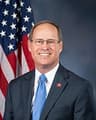
A Republican bill with 26 Republican cosponsors · See all 26 cosponsors
Last activity — Referred to the Committee on Ways and Means, and in addition to the Committee on Energy and Commerce, for a period to be subsequently determined by the Speaker, in each case for consideration of such provisions as fall within the jurisdiction of the committee concerned.
In committee
Introduced and handed to a committee in the chamber it started in.
The committee holds it, and most bills are never heard from again. A hearing or a committee vote would be news; silence is the usual outcome, and it kills the bill without anyone voting against it.
Its path through Congress
- Introduced
- In Committee
What this bill would do
This bill, known as the "Conscience Protections for Medical Residents Act," seeks to amend the Social Security Act. It aims to prohibit medical residency or postgraduate training programs that receive Medicare funding from requiring certain training. Specifically, it targets programs that involve the performance of, or assistance with, induced abortions or related counseling and referrals. The legislation prevents these programs from requiring participants to undergo such training without a voluntary opt-in. It also prohibits discrimination against participants who choose not to opt-in or perform these specific actions.
Yes
No question was scored yes.
The opposite· 3 of 4
- Scored -4
Does this make abortion easier to get?
By prohibiting mandatory abortion training and counseling, the bill may reduce the availability of such services and information within medical training programs.
- Scored -3
Would women be better off under this?
Limiting abortion-related training and counseling in medical residency may impact healthcare access for women.
- Scored -3
Does this narrow the gap between how men and women are treated?
Reducing access to abortion training and counseling may negatively impact reproductive rights often central to gender equality.
Who it would affect, and how
Potential Positive Impacts for People
-
Protection of Personal Choice: The bill ensures that medical residents can voluntarily elect to opt-in to training regarding induced abortions, counseling, or referrals, rather than being forced to do so (Section 2, subsection i).
-
Prevention of Discrimination: It prevents training programs from subjecting participants to discrimination based on their decision not to opt-in to specific training or their refusal to perform, assist in, or provide counseling/referrals for abortions (Section 2, subsection ii).
Potential Negative Impacts for People
- Limitation on Program Eligibility: Medical residency or postgraduate training programs that require such training without a voluntary opt-in, or that discriminate based on a participant's refusal to engage in these activities, would no longer be included in the definition of approved programs under the Medicare program (Section 2).
Groups and Interests Ranking
Every group the model scored this bill for, from -10 to +10. Tap or hover a score for the reason it gave.
- Healthcare
- Does this make abortion easier to get? — By prohibiting mandatory abortion training and counseling, the bill may reduce the availability of such services and information within medical training programs. Does this put more money into Medicare, the health coverage for people over 65? — The bill may reduce Medicare funding for residency programs that do not comply with the new opt-in requirements.
- Demographic And Interest Groups
- Would women be better off under this? — Limiting abortion-related training and counseling in medical residency may impact healthcare access for women.
- Social Issues And Justice
- Does this narrow the gap between how men and women are treated? — Reducing access to abortion training and counseling may negatively impact reproductive rights often central to gender equality.
- 5/21/2026
- 1 Cosponsor added.
- 2/12/2026
- 1 Cosponsor added.
- 1/7/2026
- 2 Cosponsors added.
- 12/17/2025
- 1 Cosponsor added.
- 12/16/2025
- 1 Cosponsor added.
- 11/20/2025
- Referred to the Committee on Ways and Means, and in addition to the Committee on Energy and Commerce, for a period to be subsequently determined by the Speaker, in each case for consideration of such provisions as fall within the jurisdiction of the committee concerned.
- 20 Cosponsors added.
- Introduced in House
One bill Congress.gov lists as related to this one — companions in the other chamber, earlier versions, and bills this one absorbed or was folded into.
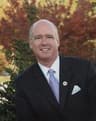 Robert Aderholt
Republican · Alabama
 Stephanie Bice
Republican · Oklahoma
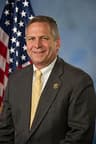 Mike Bost
Republican · Illinois
 Sheri Biggs
Republican · South Carolina
 Kat Cammack
Republican · Florida
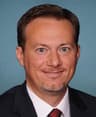 Michael Cloud
Republican · Texas
 Andrew Clyde
Republican · Georgia
 Scott Fitzgerald
Republican · Wisconsin
 Julie Fedorchak
Republican · North Dakota
 Paul Gosar
Republican · Arizona
 Andy Harris
Republican · Maryland
 Pat Harrigan
Republican · North Carolina
 John Joyce
Republican · Pennsylvania
 Mike Kelly
Republican · Pennsylvania
 David Kustoff
Republican · Tennessee
 Mike Kennedy
Republican · Utah
 Julia Letlow
Republican · Louisiana
 Mary Miller
Republican · Illinois
 Barry Moore
Republican · Alabama
 Riley Moore
Republican · West Virginia
 John McGuire
Republican · Virginia
 Robert Onder
Republican · Missouri
 Christopher Smith
Republican · New Jersey
 Adrian Smith
Republican · Nebraska
 Keith Self
Republican · Texas
 Claudia Tenney
Republican · New York