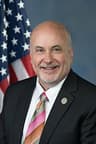
Mark Pocan (D-WI)
To amend title XI of the Social Security Act to require the Secretary to exclude certain individuals and entities who commit fraud from participation in any Federal health care program.
A Democratic bill with 17 Democratic cosponsors · See all 17 cosponsors
Last activity — Referred to the Committee on Energy and Commerce, and in addition to the Committee on Ways and Means, for a period to be subsequently determined by the Speaker, in each case for consideration of such provisions as fall within the jurisdiction of the committee concerned.
In committee
Introduced and handed to a committee in the chamber it started in.
The committee holds it, and most bills are never heard from again. A hearing or a committee vote would be news; silence is the usual outcome, and it kills the bill without anyone voting against it.
Its path through Congress
- Introduced
- In Committee
What this bill would do
This bill seeks to amend title XI of the Social Security Act. The primary goal is to require the Secretary to exclude certain individuals and entities from participating in Federal health care programs. These exclusions would apply to those who commit fraud. Specifically, it targets convictions for offenses such as theft, embezzlement, or breach of fiduciary responsibility. The mandate would apply to offenses occurring after a specific one-year grace period following enactment.
Yes· 3 of 7
- Scored +5
Does this give people more protection from unfair business practices?
The bill protects consumers by mandating the exclusion of individuals and entities that commit fraud or financial misconduct.
- Scored +4
Does this make what the government does easier for the public to see?
The bill enhances the integrity of government-financed programs by establishing strict penalties for fraud and misconduct.
- Scored +3
Would households on low incomes be better off under this?
Protecting the integrity of Federal health care programs benefits low-income households who rely on these services.
The opposite
No question was scored the opposite.
Who it would affect, and how
Potential Positive Impacts for People
-
Mandatory Exclusions for Fraud Convictions: Under Section 1 of subsection (a)(5), the bill requires the exclusion of individuals or entities convicted of crimes like fraud, theft, or embezzlement. This could help protect the integrity of health care programs by removing those who commit financial misconduct in connection with health care services or government-financed programs.
-
Addressing Prohibited Activities: Under Section 1 of subsection (a)(6), the Secretary can exclude those determined to have committed acts described in sections 1128A, 1128B, or 1129. This provides a mechanism to remove entities or individuals involved in specific prohibited activities from Federal health care programs.
Potential Negative Impacts for People
- Strict Exclusion Criteria: Under Section 1 of subsection (a)(5)(A), the bill mandates exclusion for misdemeanor offenses related to fraud or financial misconduct. This could result in the removal of individuals or entities from the health care system based on misdemeanor convictions rather than just felonies.
Groups and Interests Ranking
Every group the model scored this bill for, from -10 to +10. Tap or hover a score for the reason it gave.
- Demographic And Interest Groups
- Would households on low incomes be better off under this? — Protecting the integrity of Federal health care programs benefits low-income households who rely on these services. Would people in cities be better off under this? — Ensuring the integrity of government-financed health programs provides better stability for residents in public assistance areas.
- Economy And Finance
- Does this give people more protection from unfair business practices? — The bill protects consumers by mandating the exclusion of individuals and entities that commit fraud or financial misconduct.
- Healthcare
- Does this put more money into Medicaid, the health coverage for people on low incomes? — By excluding fraudulent actors from Federal health care programs, the bill helps safeguard the funds used for Medicaid and other programs. Does this make health care easier to get in general? — Mandating the exclusion of fraudulent entities helps maintain the integrity and sustainability of the healthcare system for all users.
- Governance And Ideology
- Does this make what the government does easier for the public to see? — The bill enhances the integrity of government-financed programs by establishing strict penalties for fraud and misconduct.
- Social Issues And Justice
- Does this change how police departments operate? — The bill addresses criminal justice by creating mandatory administrative consequences for specific types of financial crimes.
- 12/16/2025
- 1 Cosponsor added.
- 12/1/2025
- 1 Cosponsor added.
- 11/20/2025
- 1 Cosponsor added.
- 11/18/2025
- Referred to the Committee on Energy and Commerce, and in addition to the Committee on Ways and Means, for a period to be subsequently determined by the Speaker, in each case for consideration of such provisions as fall within the jurisdiction of the committee concerned.
- 14 Cosponsors added.
- Introduced in House
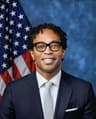 Wesley Bell
Democrat · Missouri
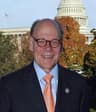 Steve Cohen
Democrat · Tennessee
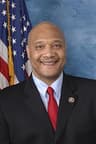 André Carson
Democrat · Indiana
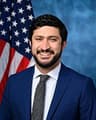 Greg Casar
Democrat · Texas
 Rosa DeLauro
Democrat · Connecticut
 Lloyd Doggett
Democrat · Texas
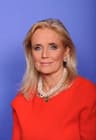 Debbie Dingell
Democrat · Michigan
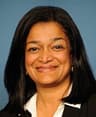 Pramila Jayapal
Democrat · Washington
 Ro Khanna
Democrat · California
 Eleanor Norton
Democrat · District of Columbia
 Alexandria Ocasio-Cortez
Democrat · New York
 Ilhan Omar
Democrat · Minnesota
 Chellie Pingree
Democrat · Maine
 Janice Schakowsky
Democrat · Illinois
 Mark Takano
Democrat · California
 Rashida Tlaib
Democrat · Michigan
 Shri Thanedar
Democrat · Michigan