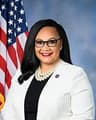
Nikema Williams (D-GA)
HHS Reproductive and Sexual Health Ombuds Act of 2025
A Democratic bill with 5 Democratic cosponsors · See all 5 cosponsors
Last activity — Referred to the House Committee on Energy and Commerce.
In committee
Introduced and handed to a committee in the chamber it started in.
The committee holds it, and most bills are never heard from again. A hearing or a committee vote would be news; silence is the usual outcome, and it kills the bill without anyone voting against it.
Its path through Congress
- Introduced
- In Committee
What this bill would do
The HHS Reproductive and Sexual Health Ombuds Act of 2025 creates a new Ombuds for Reproductive and Sexual Health within the Department of Health and Human Services. This official will report directly to the Secretary and must have expertise in sexual and reproductive health. The Ombuds is tasked with educating the public, analyzing data on healthcare access, and identifying gaps in insurance coverage. Additionally, the role involves addressing health misinformation and coordinating with the Federal Trade Commission on data privacy. The Ombuds will provide annual reports to Congress regarding these functions.
Yes· 3 of 28
- Scored +9
Would women be better off under this?
Provides direct benefits through improved access to and education on reproductive and sexual health services.
- Scored +8
Would households on low incomes be better off under this?
Focuses on individuals of low socio-economic status and connects them to abortion funds and clinics.
- Scored +8
Would LGBTQ people be better off under this?
Specifically mandates commitment to the care of LGBTQ+ individuals.
The opposite
No question was scored the opposite.
Who it would affect, and how
Potential Positive Impacts for People
-
Public Education: The Ombuds will provide the public with evidence-based and medically accurate educational materials and information on medication abortions conducted outside formal medical settings (Section 2(d)(1), 2(d)(5)).
-
Improved Access to Care: The Ombuds will share information on how to connect with abortion funds, clinics providing specified health care services, and providers receiving Federal funds under title X of the Public Health Service Act (Section 2(d)(4)).
-
Insurance Coverage Analysis: By gathering information on health plans and programs, the Ombuds will provide an analysis of gaps in coverage for reproductive and sexual health services (Section 2(d)(3)).
-
Consumer Protection: The Ombuds will work with the Federal Trade Commission to address data privacy concerns and consumer protection regarding reproductive and sexual health services (Section 2(d)(7)).
-
Combating Misinformation: The Ombuds is responsible for collecting information on and addressing reproductive and sexual health misinformation (Section 2(d)(6)).
-
Increased Plan Awareness: The Ombuds will promote awareness of qualified health plans and the benefits they offer for specified health care services (Section 2(d)(8)).
Potential Negative Impacts for People
- No specific negative impacts for individuals or groups are explicitly detailed in the provided text.
Groups and Interests Ranking
Every group the model scored this bill for, from -10 to +10. Tap or hover a score for the reason it gave.
- Demographic And Interest Groups
- Would women be better off under this? — Provides direct benefits through improved access to and education on reproductive and sexual health services. Would LGBTQ people be better off under this? — Specifically mandates commitment to the care of LGBTQ+ individuals. Would households on low incomes be better off under this? — Focuses on individuals of low socio-economic status and connects them to abortion funds and clinics. Would people with disabilities be better off under this? — Specifically mandates commitment to providing care for individuals with disabilities. Would Black Americans be better off under this? — Specifically mandates commitment to individuals belonging to racial or ethnic minorities. Would Asian Americans be better off under this? — Specifically mandates commitment to individuals belonging to racial or ethnic minorities. Would Hispanic Americans be better off under this? — Specifically mandates commitment to individuals belonging to racial or ethnic minorities. Would Native Americans be better off under this? — Specifically mandates commitment to individuals belonging to racial or ethnic minorities. Would students be better off under this? — Provides evidence-based education on sexual and reproductive health. Would people in their twenties and thirties be better off under this? — Provides access to evidence-based sexual health and reproductive education. Would immigrants be better off under this? — Provides access to funds and clinics for those who may not have traditional insurance. Would people in middle age be better off under this? — Improves access to reproductive health services and insurance analysis. Would middle-income households be better off under this? — Improves navigation of health plans and identifies gaps in reproductive coverage. Would white Americans be better off under this? — General improvement in reproductive health information and insurance transparency. Would men be better off under this? — Provides general sexual health education and services.
- Social Issues And Justice
- Does this narrow the gap between how men and women are treated? — The bill focuses on improving access and education for reproductive and sexual health services. Does this expand the rights of people with disabilities? — The Ombuds must demonstrate a commitment to providing care for individuals with disabilities. Does this expand the rights of LGBTQ people? — The Ombuds is specifically required to have a commitment to providing care for LGBTQ+ individuals. Does this narrow racial gaps in how people are treated? — The Ombuds must demonstrate a commitment to serving individuals belonging to racial or ethnic minorities. Is this likely to lift people out of poverty? — The Ombuds is tasked with serving individuals of low socio-economic status and identifying coverage gaps.
- Healthcare
- Does this make abortion easier to get? — The bill provides education on medication abortions and connects individuals with abortion funds and clinics. Does this make health care easier to get in general? — The Ombuds identifies gaps in insurance coverage and directs people to providers and clinics. Does this strengthen the Affordable Care Act? — The Ombuds will promote awareness of qualified health plans and benefits available through the ACA Exchanges.
- Governance And Ideology
- Does this protect people from being watched or searched? — The Ombuds will specifically address data privacy concerns for patients of reproductive health services. Does this make what the government does easier for the public to see? — The bill requires an annual report to Congress on the functions and effectiveness of the Ombuds. Does this give the federal government more power? — The bill creates a new federal office within HHS to oversee and analyze reproductive health access.
- Education And Technology
- Does this give people more control over their personal data? — The Ombuds will coordinate with the FTC to address data privacy concerns related to reproductive health.
- Economy And Finance
- Does this give people more protection from unfair business practices? — The Ombuds will coordinate with the FTC to address consumer protection and data privacy concerns regarding reproductive health services.
- 11/4/2025
- Referred to the House Committee on Energy and Commerce.
- 5 Cosponsors added.
- Introduced in House
 Veronica Escobar
Democrat · Texas
 Sylvia Garcia
Democrat · Texas
 Sara Jacobs
Democrat · California
 Eleanor Norton
Democrat · District of Columbia
 Rashida Tlaib
Democrat · Michigan