
A Democratic bill with 11 Democratic cosponsors · See all 11 cosponsors
Last activity — Referred to the Committee on Energy and Commerce, and in addition to the Committees on Natural Resources, and Foreign Affairs, for a period to be subsequently determined by the Speaker, in each case for consideration of such provisions as fall within the jurisdiction of the committee concerned.
In committee
Introduced and handed to a committee in the chamber it started in.
The committee holds it, and most bills are never heard from again. A hearing or a committee vote would be news; silence is the usual outcome, and it kills the bill without anyone voting against it.
Its path through Congress
- Introduced
- In Committee
What this bill would do
The Future Generations Protection Act seeks to amend the Clean Air Act to ban any amount of greenhouse gas emissions from new electric utility steam generating units. It prohibits the Federal Energy Regulatory Commission from approving new LNG terminals unless they reduce greenhouse gas emissions. The bill bans hydraulic fracturing on all U.S. onshore and offshore lands starting January 1, 2029. Additionally, it prohibits the export of domestically produced crude oil and natural gas, with limited exceptions for Canada, Mexico, and specific transportation efficiencies.
Yes· 3 of 20
- Scored +10
Does this cut the pollution that drives climate change?
The bill bans greenhouse gas emissions from new electric utility steam units and bans fracking.
- Scored +10
Does this reduce how much oil, gas and coal is produced?
The bill bans fracking and prohibits new emissions from utility steam units.
- Scored +9
Does this better protect air, water and wildlife?
The bill prohibits hydraulic fracturing and limits LNG terminal expansion.
The opposite· 3 of 10
- Scored -7
Does this make trade with other countries easier?
The bill explicitly prohibits the export of domestically produced crude oil and natural gas.
- Scored -6
Would business owners be better off under this?
Negatively impacts owners in the oil, gas, and fracking industries.
- Scored -6
Does this leave more decisions to the states?
Federal bans on fracking override state-level permissions for such activities.
Who it would affect, and how
Potential Positive Impacts for People
-
Transition to Renewable Energy: The bill suggests that moving away from fossil fuels to renewable energy sources can help avoid the worst consequences of climate change (Sec. 2).
-
Support for Workers and Communities: The bill emphasizes a fair and just transition for workers and frontline communities by prioritizing racial and gender equity and partnering with labor unions for clean-energy job training (Sec. 2).
-
Environmental Justice: By addressing the use of fossil fuels, the bill aims to reduce disproportionate damage to frontline environmental justice communities (Sec. 2).
Potential Negative Impacts for People
-
Restrictions on Energy Production: The bill prohibits the emission of any quantity of greenhouse gases from new electric utility steam generating units (Sec. 3(a)).
-
Limits on LNG Infrastructure: The Federal Energy Regulatory Commission is generally barred from approving the siting, construction, expansion, or operation of LNG terminals (Sec. 3(b)).
-
Ban on Hydraulic Fracturing: The act prohibits hydraulic fracturing on all onshore and offshore land within U.S. jurisdiction (Sec. 4).
-
Export Prohibitions: The bill prohibits the export of domestically produced crude oil and natural gas, including liquefied natural gas and natural gas liquids (Sec. 5).
Groups and Interests Ranking
Every group the model scored this bill for, from -10 to +10. Tap or hover a score for the reason it gave.
- Demographic And Interest Groups
- Would children be better off under this? — Aims to mitigate climate change for future generations. Would union members be better off under this? — Partners with labor unions for clean-energy job training. Would people in their twenties and thirties be better off under this? — Focuses on long-term environmental sustainability and new green jobs. Would Black Americans be better off under this? — Focuses on racial equity and environmental justice for frontline communities. Would Hispanic Americans be better off under this? — Focuses on racial equity and environmental justice for frontline communities. Would Native Americans be better off under this? — Prohibiting fracking on federal lands often protects indigenous lands. Would women be better off under this? — Explicitly prioritizes gender equity in the energy transition. Would households on low incomes be better off under this? — Targets environmental justice for frontline communities often populated by low-income households. Would students be better off under this? — Provides pathways to new clean-energy careers. Would people in cities be better off under this? — Reduces pollution from fossil fuel infrastructure. Would business owners be better off under this? — Negatively impacts owners in the oil, gas, and fracking industries. Would people in rural areas be better off under this? — Banning fracking may remove significant economic opportunities in rural energy-producing areas. Would billionaires be better off under this? — May impact portfolios heavily invested in fossil fuel energy. Would people with substantial wealth be better off under this? — May impact portfolios heavily invested in fossil fuel energy. Would the very wealthiest people be better off under this? — May impact portfolios heavily invested in fossil fuel energy.
- Environment Energy And Infrastructure
- Does this cut the pollution that drives climate change? — The bill bans greenhouse gas emissions from new electric utility steam units and bans fracking. Does this reduce how much oil, gas and coal is produced? — The bill bans fracking and prohibits new emissions from utility steam units. Does this better protect air, water and wildlife? — The bill prohibits hydraulic fracturing and limits LNG terminal expansion. Does this put more money into wind, solar and other renewable power? — The bill mandates a transition away from fossil fuels toward renewable energy sources. Does this better protect public land such as parks and forests? — Prohibits hydraulic fracturing on all U.S. onshore and offshore lands. Is this likely to lower the price at the pump? — Banning fracking and limiting production could lead to increased domestic energy prices.
- Social Issues And Justice
- Does this narrow the gap between how men and women are treated? — The bill explicitly prioritizes gender equity in the transition to clean energy. Does this narrow racial gaps in how people are treated? — The bill prioritizes racial equity and environmental justice for frontline communities.
- National Security And Foreign Policy
- Does this make trade with other countries easier? — The bill explicitly prohibits the export of domestically produced crude oil and natural gas. Does this strengthen ties with allied countries? — Prohibiting crude oil and natural gas exports may strain trade relations with international partners.
- Economy And Finance
- Is this likely to create jobs? — The bill prioritizes clean-energy job training and a transition to renewable energy sources. Does this strengthen the rights of workers to organise? — The bill explicitly mentions partnering with labor unions for clean-energy job training. Is this likely to grow the economy? — Banning fracking and oil/gas exports may disrupt current energy markets and economic output from the fossil fuel sector.
- Governance And Ideology
- Does this give the federal government more power? — The bill imposes sweeping federal bans on fracking and fossil fuel exports. Does this leave more decisions to the states? — Federal bans on fracking override state-level permissions for such activities.
- 9/18/2025
- Referred to the Committee on Energy and Commerce, and in addition to the Committees on Natural Resources, and Foreign Affairs, for a period to be subsequently determined by the Speaker, in each case for consideration of such provisions as fall within the jurisdiction of the committee concerned.
- 11 Cosponsors added.
- Introduced in House
 Nanette Barragán
Democrat · California
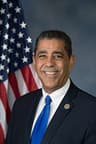 Adriano Espaillat
Democrat · New York
 Jared Huffman
Democrat · California
 Pramila Jayapal
Democrat · Washington
 Zoe Lofgren
Democrat · California
 Summer Lee
Democrat · Pennsylvania
 James McGovern
Democrat · Massachusetts
 Eleanor Norton
Democrat · District of Columbia
 Delia Ramirez
Democrat · Illinois
 Rashida Tlaib
Democrat · Michigan
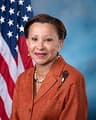 Nydia Velázquez
Democrat · New York