
A Republican bill with 1 Republican cosponsor · See the cosponsor
Last activity — Referred to the House Committee on Foreign Affairs.
In committee
Introduced and handed to a committee in the chamber it started in.
The committee holds it, and most bills are never heard from again. A hearing or a committee vote would be news; silence is the usual outcome, and it kills the bill without anyone voting against it.
Its path through Congress
- Introduced
- In Committee
What this bill would do
H.R. 5233 is known as the Peace Corps Modernization Act. The bill aims to update the Peace Corps by focusing more money on volunteers instead of administrative costs. It aligns Peace Corps deployments with United States foreign policy priorities and strategic interests. The legislation requires the Peace Corps to operate in at least five Pacific Island countries. It also improves coordination between the Peace Corps and United States embassies. Finally, the bill creates a special career pathway and benefits for returning and former Peace Corps volunteers who apply to the Foreign Service.
Yes· 3 of 6
- Scored +4
Does this strengthen ties with allied countries?
The legislation aligns Peace Corps deployments with U.S. strategic interests and expands presence in Pacific Island countries.
- Scored +4
Does this favour talking over confrontation abroad?
The bill enhances coordination between the Peace Corps and U.S. embassies and creates a specialized pathway into the Foreign Service.
- Scored +4
Would people in their twenties and thirties be better off under this?
Young adults participating in the Peace Corps benefit from increased volunteer funding and streamlined career entry into the Foreign Service.
The opposite
No question was scored the opposite.
Who it would affect, and how
Potential Positive Impacts for People
-
Section 2: This section ensures that not more than 15 percent of the Peace Corps budget goes toward administrative or overhead expenses. The remaining 85 percent must go directly toward volunteers for recruitment, training, and support, which can increase the total number of volunteers deployed worldwide.
-
Section 3: This section requires the Peace Corps to operate in at least five Pacific Island countries, including Palau, the Federated States of Micronesia, and the Republic of the Marshall Islands. This expands international opportunities and programs in these specific regions.
-
Section 6: This section creates a Foreign Service pathway for returning and former Peace Corps volunteers. It offers streamlined application vetting, mentorship opportunities, bonus evaluation points similar to the veterans appointment preference, and counts Peace Corps service toward Foreign Service benefits and retirement.
Potential Negative Impacts for People
-
Section 3: The Secretary of State must set country deployment priorities to align with United States strategic interests, such as countering authoritarian influence, promoting stability, and supporting allies. If foreign policy priorities shift, programs in certain countries could be terminated or paused.
-
Section 4: If a regional bureau or embassy withdraws support for a Peace Corps program in a country, the Director of the Peace Corps is required to pause that program. This could negatively impact individuals and communities relying on active Peace Corps projects if local diplomatic support is lost.
Groups and Interests Ranking
Every group the model scored this bill for, from -10 to +10. Tap or hover a score for the reason it gave.
- National Security And Foreign Policy
- Does this favour talking over confrontation abroad? — The bill enhances coordination between the Peace Corps and U.S. embassies and creates a specialized pathway into the Foreign Service. Does this strengthen ties with allied countries? — The legislation aligns Peace Corps deployments with U.S. strategic interests and expands presence in Pacific Island countries.
- Economy And Finance
- Is this likely to create jobs? — The bill creates new career pathways and hiring preferences for former Peace Corps volunteers entering the Foreign Service. Does this make the government pay for what it commits to? — The bill caps administrative overhead at 15 percent, ensuring more funds are directed toward volunteer support.
- Demographic And Interest Groups
- Would people in their twenties and thirties be better off under this? — Young adults participating in the Peace Corps benefit from increased volunteer funding and streamlined career entry into the Foreign Service.
- Governance And Ideology
- Does this make what the government does easier for the public to see? — The bill improves agency oversight by requiring specific notifications to Congress regarding program openings and closures.
- 9/15/2025
- 1 Cosponsor added.
- 9/9/2025
- Referred to the House Committee on Foreign Affairs.
- Introduced in House
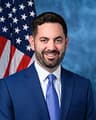 Michael Lawler
Republican · New York