
A Democratic bill with 39 Democratic cosponsors · See all 39 cosponsors
Last activity — Referred to the House Committee on Energy and Commerce.
In committee
Introduced and handed to a committee in the chamber it started in.
The committee holds it, and most bills are never heard from again. A hearing or a committee vote would be news; silence is the usual outcome, and it kills the bill without anyone voting against it.
Its path through Congress
- Introduced
- In Committee
What this bill would do
The HCBS Worker Protection Act of 2025 is a bill introduced to amend title XIX of the Social Security Act. It focuses on the Medicaid program and specifically targets home or community-based services waivers. The bill aims to remove a specific limitation on payments for these waivers. This is achieved by striking subparagraph (C) of Section 1915(c)(11) of the Social Security Act.
Yes· 3 of 34
- Scored +9
Would people with disabilities be better off under this?
This bill directly targets the improvement of services for people with disabilities living in the community.
- Scored +8
Does this expand the rights of people with disabilities?
Removing payment limits significantly enhances the availability and quality of services for people with disabilities.
- Scored +7
Would people over 65 be better off under this?
Many seniors rely on Medicaid HCBS for home care to avoid nursing homes.
The opposite
- Scored -2
Does this reduce what the federal government owes?
Removing payment limitations on Medicaid waivers likely increases federal spending.
- Scored -2
Does this reduce what the federal government spends?
The bill removes a cap on payments, potentially increasing total government expenditure on HCBS.
- Scored -2
Does this make the government pay for what it commits to?
Removing expenditure limits is generally contrary to fiscal austerity.
Who it would affect, and how
Potential Positive Impacts for People
- Increased payments for HCBS waivers: By striking subparagraph (C) of Section 1915(c)(11), the bill removes a limitation on payments for certain home or community-based services waivers under the Medicaid program.
Potential Negative Impacts for People
- No negative impacts for people are explicitly mentioned in the provided text.
Groups and Interests Ranking
Every group the model scored this bill for, from -10 to +10. Tap or hover a score for the reason it gave.
- Demographic And Interest Groups
- Would people with disabilities be better off under this? — This bill directly targets the improvement of services for people with disabilities living in the community. Would people over 65 be better off under this? — Many seniors rely on Medicaid HCBS for home care to avoid nursing homes. Would households on low incomes be better off under this? — Low-income households are the primary users of Medicaid HCBS services. Would retired people be better off under this? — Retirees on Medicaid benefit from improved funding for in-home support services. Would women be better off under this? — Women are the majority of HCBS workers and family caregivers. Would Black Americans be better off under this? — Historically underserved minority populations often rely heavily on Medicaid services. Would business owners be better off under this? — Owners of home health agencies may see increased revenue through higher payments. Would Hispanic Americans be better off under this? — Hispanic populations show high utilization rates of Medicaid HCBS. Would Native Americans be better off under this? — Increased funding supports the delivery of home services in tribal and rural areas. Would people in rural areas be better off under this? — Improved funding is critical for maintaining home care services in underserved rural areas. Would Asian Americans be better off under this? — Improved access to home care benefits Asian American populations with disabilities. Would children be better off under this? — Children with disabilities receiving HCBS will benefit from improved service funding. Would men be better off under this? — Men with disabilities and seniors benefit from increased home care availability. Would people in middle age be better off under this? — Middle-aged individuals with disabilities and their caregivers benefit from improved funding. Would union members be better off under this? — Increased funding for workers could support higher wages for unionized care workers. Would people in cities be better off under this? — Urban areas have high concentrations of HCBS agency workers and recipients. Would white Americans be better off under this? — White seniors and individuals with disabilities utilizing Medicaid benefit from the bill. Would people in their twenties and thirties be better off under this? — Young adults with disabilities benefit from increased community-based service options. Would LGBTQ people be better off under this? — LGBTQ individuals often face barriers to traditional institutional care and benefit from HCBS. Would veterans be better off under this, taking everything together? — Veterans using Medicaid for home care would benefit from removing payment limits.
- Social Issues And Justice
- Does this expand the rights of people with disabilities? — Removing payment limits significantly enhances the availability and quality of services for people with disabilities. Is this likely to lift people out of poverty? — Better support for HCBS workers and recipients can reduce financial instability for low-income families. Does this narrow the gap between how men and women are treated? — The home care workforce is predominantly female and may benefit from increased funding. Does this narrow racial gaps in how people are treated? — Low-income minority populations are disproportionately reliant on Medicaid HCBS. Is this likely to reduce homelessness? — Better community-based support can prevent institutionalization and potential homelessness.
- Healthcare
- Does this make health care easier to get in general? — Removing payment limits allows for more comprehensive and available home and community-based services. Does this put more money into Medicaid, the health coverage for people on low incomes? — The bill removes limitations on payments for home and community-based services under Medicaid. Does this make mental health care easier to get? — Increased funding for HCBS can include expanded mental health support in the home. Does this lower what a hospital stay costs? — Better home-based care can reduce expensive hospital readmissions.
- Economy And Finance
- Does this make it easier to run a small business? — Home care agencies, often small businesses, may see increased reimbursement rates. Is this likely to create jobs? — Removing payment limitations for HCBS waivers may allow for higher wages and more hiring of home care workers. Is this likely to grow the economy? — Increased spending in the home healthcare sector can stimulate local economic activity. Does this make the government pay for what it commits to? — Removing expenditure limits is generally contrary to fiscal austerity. Does this reduce what the federal government spends? — The bill removes a cap on payments, potentially increasing total government expenditure on HCBS. Does this reduce what the federal government owes? — Removing payment limitations on Medicaid waivers likely increases federal spending.
- Environment Energy And Infrastructure
- Does this invest in rural communities? — Increased funding for community-based services can improve healthcare infrastructure in rural areas.
- Governance And Ideology
- Does this leave more decisions to the states? — Removing federal payment limitations gives states more flexibility in how they manage HCBS waivers.
- 3/3/2026
- 1 Cosponsor added.
- 10/21/2025
- 1 Cosponsor added.
- 10/10/2025
- 1 Cosponsor added.
- 9/26/2025
- 3 Cosponsors added.
- 9/23/2025
- 1 Cosponsor added.
- 9/19/2025
- 4 Cosponsors added.
- 9/16/2025
- 1 Cosponsor added.
- 9/11/2025
- 2 Cosponsors added.
- 9/9/2025
- Referred to the House Committee on Energy and Commerce.
- 25 Cosponsors added.
- Introduced in House
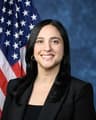 Yassamin Ansari
Democrat · Arizona
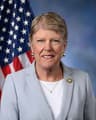 Julia Brownley
Democrat · California
 Nanette Barragán
Democrat · California
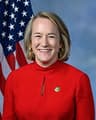 Nikki Budzinski
Democrat · Illinois
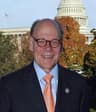 Steve Cohen
Democrat · Tennessee
 Angie Craig
Democrat · Minnesota
 Sheila Cherfilus-McCormick
Democrat · Florida
 Maxine Dexter
Democrat · Oregon
 Dwight Evans
Democrat · Pennsylvania
 Adelita Grijalva
Democrat · Arizona
 Val Hoyle
Democrat · Oregon
 Pramila Jayapal
Democrat · Washington
 Jonathan Jackson
Democrat · Illinois
 Raja Krishnamoorthi
Democrat · Illinois
 Timothy Kennedy
Democrat · New York
 Zoe Lofgren
Democrat · California
 Stephen Lynch
Democrat · Massachusetts
 James McGovern
Democrat · Massachusetts
 Gwen Moore
Democrat · Wisconsin
 Lucy McBath
Democrat · Georgia
 Kevin Mullin
Democrat · California
 Jennifer McClellan
Democrat · Virginia
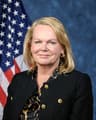 April McClain Delaney
Democrat · Maryland
 Sarah McBride
Democrat · Delaware
 Eleanor Norton
Democrat · District of Columbia
 Ilhan Omar
Democrat · Minnesota
 Scott Peters
Democrat · California
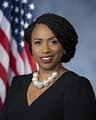 Ayanna Pressley
Democrat · Massachusetts
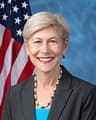 Deborah Ross
Democrat · North Carolina
 Darren Soto
Democrat · Florida
 Thomas Suozzi
Democrat · New York
 Mary Gay Scanlon
Democrat · Pennsylvania
 Andrea Salinas
Democrat · Oregon
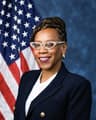 Lateefah Simon
Democrat · California
 Rashida Tlaib
Democrat · Michigan
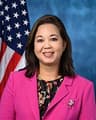 Jill Tokuda
Democrat · Hawaii
 Shri Thanedar
Democrat · Michigan
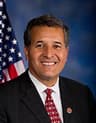 Juan Vargas
Democrat · California
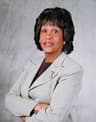 Maxine Waters
Democrat · California