Bill · H.R. 4979· House(119-HR-4979)
Tick Identification Pilot Program Act of 2025
- Introduced
- 8/15/2025
- Last activity
- 8/15/2025 — Referred to the House Committee on Energy and Commerce.
- Sponsored by
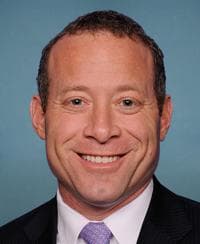
- Josh Gottheimer
- Cosponsors
- - 7 - 5
- Introduced
- In Committee
What this bill would do
The Tick Identification Pilot Program Act of 2025 directs the Secretary of Health and Human Services to award grants to States for a tick identification pilot program. This program is implemented through the Director of the Centers for Disease Control and Prevention. States that have more reported cases of Lyme disease and other tick-borne diseases, or those with effective implementation plans, may receive priority for these grants. The program requires individuals to be able to submit photo images of ticks along with location and date information. Following a professional review, individuals should receive a response within 72 hours. The Secretary is also tasked with collecting data on reported incidents and submitting annual reports to Congress.
Yes
Does this make health care easier to get in general?+3
The bill provides individuals with rapid identification of tick species and risk assessments to aid in medical decision-making.
Does this put more money into scientific research?+2
The bill funds a database of tick incidents and data collection to assist in understanding tick-borne disease patterns.
Would people with disabilities be better off under this?+1
The electronic submission of tick images may assist individuals with limited mobility in receiving remote medical guidance.
The opposite
No question was scored the opposite.
Who it would affect, and how
Potential Positive Impacts for People
-
Rapid Information and Risk Assessment: Under Section 2(c)(3), the program aims to provide individuals with the species and life stage of a tick, an estimate of disease risk, and recommendations for best practices, such as seeking medical evaluation, within 72 hours of a submission.
-
Preventative Education: As stated in Section 2(c)(3)(D), the program includes providing additional education on the best methods to avoid ticks and prevent the contagion of tick-borne illnesses.
-
Targeted Resource Allocation: Section 2(b) ensures that grant priority is given to States that have more reported cases of Lyme disease and other tick-borne diseases, potentially directing help where it is needed most.
Potential Negative Impacts for People
- No negative impacts or burdens are explicitly identified within the provided text.
Groups and Interests Ranking
Every group the model scored this bill for, from -10 to +10. Hover a score for the reason it gave.
- Healthcare
- Improves Healthcare Access+3
- Education And Technology
- Increases Scientific Research Funding+2
- Demographic And Interest Groups
- Good For People With Disabilities+1
- 6/23/2026
- 1 Cosponsor added.
- 5/12/2026
- 2 Cosponsors added.
- 4/9/2026
- 1 Cosponsor added.
- 1/8/2026
- 1 Cosponsor added.
- 12/18/2025
- 1 Cosponsor added.
- 10/8/2025
- 1 Cosponsor added.
- 9/30/2025
- 1 Cosponsor added.
- 9/16/2025
- 1 Cosponsor added.
- 8/19/2025
- 2 Cosponsors added.
- 8/15/2025
- Referred to the House Committee on Energy and Commerce.
- 1 Cosponsor added.
- Introduced in House
 Don Bacon
Republican · Nebraska
 Nikki Budzinski
Democrat · Illinois
 Robert Bresnahan
Republican · Pennsylvania
 André Carson
Democrat · Indiana
 Brian Fitzpatrick
Republican · Pennsylvania
 William Keating
Democrat · Massachusetts
 Thomas Kean
Republican · New Jersey
 Michael Lawler
Republican · New York
 Summer Lee
Democrat · Pennsylvania
 Seth Magaziner
Democrat · Rhode Island
 John Mannion
Democrat · New York
 Eleanor Norton
Democrat · District of Columbia