Bill · H.R. 4908· House(119-HR-4908)
Time Off to Vote Act
- Introduced
- 8/5/2025
- Last activity
- 8/5/2025 — Referred to the House Committee on Education and Workforce.
- Sponsored by
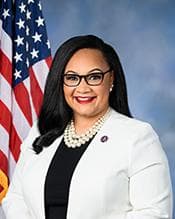
- Nikema Williams
- Cosponsors
- - 54 - 0
- Introduced
- In Committee
What this bill would do
H.R. 4908, known as the Time Off to Vote Act, requires employers to give workers a minimum of two consecutive hours of paid leave to vote in Federal elections. Employees can use this time to vote, return a mail-in ballot in person, or do other voting-related activities while polls are open. Employers have the right to choose the specific two-hour period or require the leave to be taken during early voting. The bill protects workers by stopping employers from interfering with leave rights, cutting benefits, or retaliating against employees. Employers who break these rules can face civil penalties of up to $10,000 per violation.
Yes· 3 of 24
Would households on low incomes be better off under this?+8
Low-income workers often cannot afford to take unpaid time off to vote, making paid leave highly beneficial.
Does this protect the right to vote?+8
The bill mandates paid leave for voting, significantly improving ballot access for working individuals.
Does this make casting a ballot easier in practice?+8
Providing two consecutive hours of paid leave directly facilitates easier casting of ballots in federal elections.
The opposite
Would business owners be better off under this?-2
Business owners face administrative mandates and potential civil penalties for compliance failures.
Does this make it easier to run a small business?-2
The bill imposes potential civil penalties of up to $10,000 per violation which can be burdensome for smaller employers.
Who it would affect, and how
Potential Positive Impacts for People
-
Paid Time to Vote: Under Section 2(a), employees can get a minimum of two consecutive hours of paid leave to vote, return a mail-in ballot in person, or do other voting-related activities while polls are open. This is positive because it helps working people cast their ballots without losing pay.
-
Protection of Benefits: Under Section 2(c), taking this leave does not result in the loss of any employment benefits that were earned before the leave. This ensures workers do not lose what they have already worked for just because they exercised their right to vote.
-
Protection from Retaliation: Under Section 2(d), it is unlawful for an employer to interfere with leave rights, discriminate against an employee, or fire and retaliate against anyone for taking leave or participating in proceedings related to the Act. This holds officials and bosses accountable and protects workers who stand up for their rights.
Potential Negative Impacts for People
-
Employer Control Over Timing: Under Section 2(b), the employer has the right to specify the hours during which the employee takes the leave, and can even require the employee to take the leave during a period designated for early voting instead of election day. This means workers do not have full control over when they take their voting leave.
-
Penalties for Small or Struggling Businesses: Under Section 2(f), employers who violate the Act can face a civil penalty of up to $10,000 per violation. While the Secretary of Labor must consider the size and good faith of the business, a penalty up to this amount could be a heavy burden for employers with 25 or more employees who make mistakes.
Groups and Interests Ranking
Every group the model scored this bill for, from -10 to +10. Hover a score for the reason it gave.
- Demographic And Interest Groups
- Good For Low Income Households+8Good For African Americans+6Good For Hispanic Americans+6Good For Men+6Good For Middle Aged+6Good For Middle Class Households+6Good For Union Workers+6Good For Urban Residents+6Good For Women+6Good For Young Adults+6Good For Asian Americans+5Good For Immigrants+5Good For L G B T Q Community+5Good For Native Americans+5Good For People With Disabilities+5Good For Rural Residents+5Good For Veterans+5Good For White Americans+5Good For Seniors+4Good For Students+4Good For Business Owners-2
- Social Issues And Justice
- Improves Voting Access+8Improves Voting Rights+8
- Governance And Ideology
- Improves Electoral Process+7Increases Federal Power+3
- Economy And Finance
- Improves Small Business Support-2
- 10/1/2026
- 1 Cosponsor added.
- 6/3/2026
- 1 Cosponsor added.
- 10/8/2025
- 1 Cosponsor added.
- 10/3/2025
- 1 Cosponsor added.
- 9/3/2025
- 1 Cosponsor added.
- 8/29/2025
- 1 Cosponsor added.
- 8/5/2025
- Referred to the House Committee on Education and Workforce.
- 48 Cosponsors added.
- Introduced in House
One bill Congress.gov lists as related to this one — companions in the other chamber, earlier versions, and bills this one absorbed or was folded into.
 Yassamin Ansari
Democrat · Arizona
 Shontel Brown
Democrat · Ohio
 Ed Case
Democrat · Hawaii
 Emanuel Cleaver
Democrat · Missouri
 Yvette Clarke
Democrat · New York
 André Carson
Democrat · Indiana
 Troy Carter
Democrat · Louisiana
 Sheila Cherfilus-McCormick
Democrat · Florida
 Jasmine Crockett
Democrat · Texas
 Diana DeGette
Democrat · Colorado
 Lloyd Doggett
Democrat · Texas
 Christopher Deluzio
Democrat · Pennsylvania
 Suzan DelBene
Democrat · Washington
 Dwight Evans
Democrat · Pennsylvania
 Sarah Elfreth
Democrat · Maryland
 Cleo Fields
Democrat · Louisiana
 Shomari Figures
Democrat · Alabama
 Al Green
Democrat · Texas
 Jesús García
Democrat · Illinois
 Henry Johnson
Democrat · Georgia
 Jonathan Jackson
Democrat · Illinois
 Raja Krishnamoorthi
Democrat · Illinois
 Sydney Kamlager-Dove
Democrat · California
 Stephen Lynch
Democrat · Massachusetts
 Summer Lee
Democrat · Pennsylvania
 George Latimer
Democrat · New York
 Kweisi Mfume
Democrat · Maryland
 Gregory Meeks
Democrat · New York
 Gwen Moore
Democrat · Wisconsin
 Seth Moulton
Democrat · Massachusetts
 Morgan McGarvey
Democrat · Kentucky
 Seth Magaziner
Democrat · Rhode Island
 Kevin Mullin
Democrat · California
 Jennifer McClellan
Democrat · Virginia
 LaMonica McIver
Democrat · New Jersey
 April McClain Delaney
Democrat · Maryland
 Dave Min
Democrat · California
 Eleanor Norton
Democrat · District of Columbia
 Joe Neguse
Democrat · Colorado
 Mark Pocan
Democrat · Wisconsin
 Ayanna Pressley
Democrat · Massachusetts
 Delia Ramirez
Democrat · Illinois
 Robert Scott
Democrat · Virginia
 Janice Schakowsky
Democrat · Illinois
 Marilyn Strickland
Democrat · Washington
 Terri Sewell
Democrat · Alabama
 Emilia Sykes
Democrat · Ohio
 Andrea Salinas
Democrat · Oregon
 Lateefah Simon
Democrat · California
 Bennie Thompson
Democrat · Mississippi
 Dina Titus
Democrat · Nevada
 Paul Tonko
Democrat · New York
 Rashida Tlaib
Democrat · Michigan
 Shri Thanedar
Democrat · Michigan