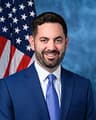
Michael Lawler (R-NY)
Parity in Diplomatic Security Investigations Act
A Republican bill with no cosponsors
Last activity — Referred to the House Committee on Foreign Affairs.
In committee
Introduced and handed to a committee in the chamber it started in.
The committee holds it, and most bills are never heard from again. A hearing or a committee vote would be news; silence is the usual outcome, and it kills the bill without anyone voting against it.
Its path through Congress
- Introduced
- In Committee
What this bill would do
This bill is known as the Parity in Diplomatic Security Investigations Act. It states that the Secretary of State should delegate pre-approval authority for intercepting wire, oral, or electronic communications. This authority would go to the Assistant Secretary of State for Diplomatic Security or the Principal Deputy Assistant Secretary of State for Diplomatic Security. Currently, the Department of State's process requires the Secretary of State's pre-approval for each instance, which restricts agents from getting timely approval. The bill expresses that Diplomatic Security special agents should be able to conduct recordings like other federal law enforcement agencies. Additionally, it states that the Secretary of State should revise the Foreign Affairs Manual within 90 days of enactment.
Yes
- Scored +2
Does this give the federal government more power?
The bill streamlines internal federal agency operations regarding communication interception approvals.
- Scored +2
Does this give the government more power to monitor people inside the country?
The bill facilitates communication intercepts by streamlining approval processes for Diplomatic Security special agents.
The opposite
No question was scored the opposite.
Who it would affect, and how
Potential Positive Impacts for People
- Section 2(a): This section expresses the sense of Congress that Diplomatic Security special agents should be able to conduct recordings during official activities to ensure accountability and promote public confidence in law enforcement efforts.
Potential Negative Impacts for People
- There are no specific sections or provisions mentioned in the text that outline negative consequences or burdens for individuals or groups of people in the United States.
Groups and Interests Ranking
Every group the model scored this bill for, from -10 to +10. Tap or hover a score for the reason it gave.
- Governance And Ideology
- Does this give the federal government more power? — The bill streamlines internal federal agency operations regarding communication interception approvals.
- National Security And Foreign Policy
- Does this give the government more power to monitor people inside the country? — The bill facilitates communication intercepts by streamlining approval processes for Diplomatic Security special agents.
- 7/29/2025
- Referred to the House Committee on Foreign Affairs.
- Introduced in House