A Democratic bill with 11 Democratic cosponsors · See all 11 cosponsors
Last activity — Referred to the House Committee on Education and Workforce.
In committee
Introduced and handed to a committee in the chamber it started in.
The committee holds it, and most bills are never heard from again. A hearing or a committee vote would be news; silence is the usual outcome, and it kills the bill without anyone voting against it.
Its path through Congress
- Introduced
- In Committee
What this bill would do
The "Texture Positive Act of 2025" directs the Secretary of Labor to award competitive grants to States. These States are then responsible for providing subgrants to eligible entities. The goal is to fund education and technical training regarding textured hair within cosmetology school curricula. This training specifically covers how to shampoo, deep condition, braid, twist, and style hair that is coiled, curly, or wavy in its natural state.
Yes· 3 of 14
- Scored +5
Would Black Americans be better off under this?
Directly supports training related to hair textures frequently associated with this demographic.
- Scored +5
Does this narrow racial gaps in how people are treated?
Promotes inclusivity by providing technical training specifically for textured hair often associated with diverse racial groups.
- Scored +4
Would students be better off under this?
Provides technical training and curriculum enhancements for cosmetology students.
The opposite
No question was scored the opposite.
Who it would affect, and how
Potential Positive Impacts for People
-
Cosmetology Students: Students in cosmetology schools can receive education and technical training on how to shampoo, deep condition, braid, twist, and style textured hair (Section 2, subsection c, paragraph 3, subparagraph A).
-
Eligible Entities: Certain corporations, limited liability companies, associations, or companies that have a Minority- or Women-owned Business Enterprise certificate can receive subgrants to carry out training activities (Section 2, subsection f, paragraph 2, subparagraph A).
-
Instructional Improvements: Subgrant funds can be used to develop new education and technical training, hire and train instructors, or provide digital training such as prerecorded videos (Section 2, subsection c, paragraph 3, subparagraph B).
Potential Negative Impacts for People
- Cosmetology Schools: A cosmetology school is specifically excluded from being considered an "eligible entity" if it has received any Federal funds at any point other than through a subgrant under this specific act (Section 2, subsection f, paragraph 2, subparagraph B).
Groups and Interests Ranking
Every group the model scored this bill for, from -10 to +10. Tap or hover a score for the reason it gave.
- Demographic And Interest Groups
- Would Black Americans be better off under this? — Directly supports training related to hair textures frequently associated with this demographic. Would students be better off under this? — Provides technical training and curriculum enhancements for cosmetology students. Would business owners be better off under this? — Creates opportunities for minority and women-owned businesses to receive subgrants. Would Hispanic Americans be better off under this? — Provides opportunities for Minority-owned business enterprises. Would women be better off under this? — Encourages entities with Women-owned Business Enterprise certificates through subgrants. Would people in their twenties and thirties be better off under this? — Benefits students pursuing careers in cosmetology. Would households on low incomes be better off under this? — Can assist via vocational training and potential employment opportunities.
- Social Issues And Justice
- Does this narrow racial gaps in how people are treated? — Promotes inclusivity by providing technical training specifically for textured hair often associated with diverse racial groups. Does this narrow the gap between how men and women are treated? — Supports entities with Women-owned Business Enterprise certificates through subgrants. Is this likely to lift people out of poverty? — Provides vocational skill enhancement which can aid economic mobility.
- Economy And Finance
- Does this make it easier to run a small business? — Provides opportunities for Minority- or Women-owned Business Enterprises to receive subgrants. Is this likely to create jobs? — The training may enhance professional skills and employability within the cosmetology industry. Is this likely to grow the economy? — Supports vocational training which can contribute to specialized sector growth.
- Governance And Ideology
- Does this give the federal government more power? — Directs the Secretary of Labor to award grants to states, increasing federal oversight of training funds.
- 7/17/2025
- Referred to the House Committee on Education and Workforce.
- 11 Cosponsors added.
- Introduced in House
One bill Congress.gov lists as related to this one — companions in the other chamber, earlier versions, and bills this one absorbed or was folded into.
 Sheila Cherfilus-McCormick
Democrat · Florida
 Jasmine Crockett
Democrat · Texas
 Adriano Espaillat
Democrat · New York
 Henry Johnson
Democrat · Georgia
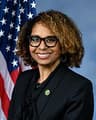 Sydney Kamlager-Dove
Democrat · California
 Gregory Meeks
Democrat · New York
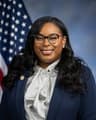 LaMonica McIver
Democrat · New Jersey
 Eleanor Norton
Democrat · District of Columbia
 Linda Sánchez
Democrat · California
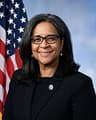 Marilyn Strickland
Democrat · Washington
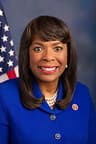 Terri Sewell
Democrat · Alabama