Bill · H.R. 4531· House(119-HR-4531)
BANNED in Latin America Act
- Introduced
- 7/17/2025
- Last activity
- 7/17/2025 — Referred to the House Committee on Foreign Affairs.
- Sponsored by
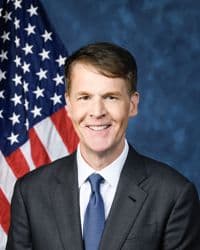
- Jefferson Shreve
- Cosponsors
- - 5 - 2
- Introduced
- In Committee
What this bill would do
This bill, known as the "BANNED in Latin America Act," requires the Secretary of State to develop a comprehensive strategy to counter Iranian and Hezbollah influence in Latin America. The strategy must be submitted to specific congressional committees within 180 days of the Act's enactment. It aims to address various methods used by these entities, such as cultural centers, emissaries, and media platforms. The plan includes measures like sanctions, visa denials, and disrupting specific broadcasting reaches. It also targets the Al Mustafa International University network.
Yes
Does this strengthen ties with allied countries?+4
The bill encourages cooperation with regional partners to limit the influence of extremist networks.
Does this tighten control of the border?+3
The bill targets foreign influence and radicalization networks within the Latin American region.
Does this better protect the country from computer attacks?+2
The bill seeks to disrupt the digital presence and broadcasting reach of adversarial media platforms.
The opposite
Would people in cities be better off under this?-2
The disruption of media platforms and cultural centers may impact information access in urbanized areas of Latin America.
Who it would affect, and how
Potential Positive Impacts for People
-
Countering Propaganda and Radicalization: The strategy includes measures to address Iranian cultural centers and restrict agents who facilitate radicalization (Section 2(b)(1) and 2(b)(2)). This could potentially limit the spread of extremist ideologies in the region.
-
Disrupting Media Influence: The bill calls for a framework to disrupt the reach of platforms like HispanTV and Al Mayadeen Espanol (Section 2(b)(4)). This may reduce the digital presence of these specific media platforms in Latin America.
-
Strengthening Intelligence Capabilities: The act seeks to increase the capacity of U.S. intelligence agencies to identify and disrupt networks involving academic institutions and nongovernmental organizations (Section 2(b)(3)).
-
Addressing Recruitment Networks: The bill includes a plan to address the Al Mustafa International University network to combat its role in recruitment for ideological and terrorist objectives (Section 2(b)(5)).
Potential Negative Impacts for People
-
Restrictions on Travel and Diplomacy: The bill proposes restricting the travel and activities of Iranian emissaries, including diplomats and cultural attaches, through visa denials and sanctions (Section 2(b)(2)). This could impact individuals performing these roles.
-
Impact on Organizations: The strategy includes potential sanctions on entities affiliated with Iranian cultural centers (Section 2(b)(1)) and the possible designation of the Al Mustafa International University network as a foreign terrorist organization (Section 2(b)(5)).
Groups and Interests Ranking
Every group the model scored this bill for, from -10 to +10. Hover a score for the reason it gave.
- National Security And Foreign Policy
- Improves International Alliances+4Improves Cybersecurity Defense+2
- Social Issues And Justice
- Improves Border Security+3
- Demographic And Interest Groups
- Good For Urban Residents-2
- 5/29/2026
- 1 Cosponsor added.
- 3/16/2026
- 1 Cosponsor added.
- 10/28/2025
- 1 Cosponsor added.
- 7/17/2025
- Referred to the House Committee on Foreign Affairs.
- 4 Cosponsors added.
- Introduced in House
One bill Congress.gov lists as related to this one — companions in the other chamber, earlier versions, and bills this one absorbed or was folded into.
 Randy Fine
Republican · Florida
 Josh Gottheimer
Democrat · New Jersey
 Bill Huizenga
Republican · Michigan
 Michael Lawler
Republican · New York
 Mark Messmer
Republican · Indiana
 Maria Salazar
Republican · Florida
 Eugene Vindman
Democrat · Virginia