Bill · H.R. 421· House(119-HR-421)
Small Business Regulatory Flexibility Improvements Act
- Introduced
- 1/15/2025
- Last activity
- 6/10/2025 — Ordered to be Reported in the Nature of a Substitute by the Yeas and Nays: 13 - 12.
- Sponsored by
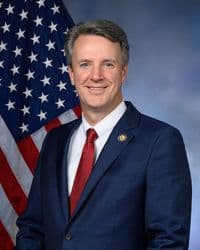
- Ben Cline
- Cosponsors
- - 6 - 0
- Introduced
What this bill would do
The Small Business Regulatory Flexibility Improvements Act aims to amend the Regulatory Flexibility Act to better analyze how government rules affect small entities. It expands the definitions of "economic impact" to include indirect effects and mandates more detailed descriptions of potential impacts and alternatives. The bill also expands the scope of rules covered to include land management plans and specific recordkeeping requirements. Additionally, it increases the authority of the Chief Counsel for Advocacy of the Small Business Administration to intervene in agency actions and gather input from small businesses. Finally, the act introduces a waiver for civil fines for first-time paperwork violations by small businesses under certain conditions.
Yes· 3 of 11
Would business owners be better off under this?+8
The bill provides significant advantages to business owners through more thorough economic impact assessments, increased advocacy authority, and relief from civil fines for first-time paperwork errors.
Does this make it easier to run a small business?+7
The bill enhances support for small businesses by requiring more detailed economic impact analyses, expanding the definition of economic impact to include indirect costs, and providing fine waivers for first-time paperwork violations.
Would women be better off under this?+5
The bill requires agencies to include specific plans for outreach to and inclusion of small businesses owned and controlled by women.
The opposite
No question was scored the opposite.
Who it would affect, and how
Potential Positive Impacts for People
-
Better Analysis of Economic Effects: The bill expands "economic impact" to include indirect effects, such as compliance costs and effects on revenue, ensuring small entities are more thoroughly considered (Section 2(b)).
-
Increased Transparency for Small Entities: Agencies will be required to provide a plain language summary of their regulatory flexibility agenda on their websites (Section 3(c)).
-
Greater Protection for Tribal Organizations: The bill adds "tribal organizations" to the list of entities for whom agencies must consider economic impacts (Section 2(d)).
-
Improved Oversight through Detailed Reporting: Agencies must now include detailed descriptions of alternatives that could minimize adverse impacts or maximize beneficial ones (Section 2(c)).
-
Enhanced Support for Small Businesses through Advocacy: The Chief Counsel for Advocacy gains more power to intervene in agency adjudications and inform agencies of potential impacts on small entities (Section 5(b)).
-
More Inclusive Outreach: Agencies are required to include plans in their periodic reviews that detail how they will reach out to and include small businesses, including those owned by women, veterans, and socially or economically disadvantaged individuals (Section 7(c)).
-
Financial Relief for Minor Errors: Small businesses may receive a waiver from civil fines for first-time violations of information collection requirements, provided the violation does not cause serious public harm or involve tax laws (Section 14).
Potential Negative Impacts for People
-
Exclusions from Regulatory Flexibility: Certain rules, such as those pertaining to the protection of the rights and benefits of veterans, are excluded from the definition of a "rule" under this act (Section 2(a)).
-
Specific Exclusions for Financial Rules: Rules of particular applicability relating to rates, wages, prices, or financial structures are excluded from the definition of a "rule" (Section 2(a)).
-
Exceptions to Fine Waivers: The relief from fines for first-time paperwork violations does not apply if the violation relates to internal revenue laws or if the agency determines the violation could cause serious harm to the public interest (Section 14).
-
Safety and Health Exceptions: An agency can still impose a fine if a violation presents a danger to public health or safety, even if the owner attempts to correct it quickly (Section 14).
Groups and Interests Ranking
Every group the model scored this bill for, from -10 to +10. Hover a score for the reason it gave.
- Demographic And Interest Groups
- Good For Business Owners+8Good For Veterans+5Good For Women+5Good For Native Americans+4Good For Low Income Households+2Good For Middle Class Households+2Good For Rural Residents+2
- Economy And Finance
- Improves Small Business Support+7
- Governance And Ideology
- Improves Government Transparency+5
- Environment Energy And Infrastructure
- Improves Environmental Protections+2
- Social Issues And Justice
- Improves Social Security+1
- 6/10/2025
- Committee Consideration and Mark-up Session Held
- Ordered to be Reported in the Nature of a Substitute by the Yeas and Nays: 13 - 12.
- 2/21/2025
- 2 Cosponsors added.
- 1/15/2025
- Referred to the Committee on the Judiciary, and in addition to the Committees on Small Business, and Oversight and Government Reform, for a period to be subsequently determined by the Speaker, in each case for consideration of such provisions as fall within the jurisdiction of the committee concerned.
- 4 Cosponsors added.
- Introduced in House
One bill Congress.gov lists as related to this one — companions in the other chamber, earlier versions, and bills this one absorbed or was folded into.
 Josh Brecheen
Republican · Oklahoma
 Jake Ellzey
Republican · Texas
 Scott Fitzgerald
Republican · Wisconsin
 Harriet Hageman
Republican · Wyoming
 Jefferson Van Drew
Republican · New Jersey
 Daniel Webster
Republican · Florida