
Sean Casten (D-IL)
Fair Calculations in Civil Damages Act of 2025
A Democratic bill with 2 Democratic cosponsors · See all 2 cosponsors
Last activity — Referred to the House Committee on the Judiciary.
In committee
Introduced and handed to a committee in the chamber it started in.
The committee holds it, and most bills are never heard from again. A hearing or a committee vote would be news; silence is the usual outcome, and it kills the bill without anyone voting against it.
Its path through Congress
- Introduced
- In Committee
What this bill would do
The Fair Calculations in Civil Damages Act of 2025 aims to prohibit United States courts from awarding damages based on a plaintiff's projected future earning potential that considers race, ethnicity, or sex. This includes gender, gender identity, sexual orientation, and sex characteristics. To support this, the Secretary of Labor is tasked with developing guidance for inclusive future earnings tables. The bill also requires studies by the Judicial Conference of the United States and the Administrative Office of the United States Courts regarding damages and age or disability calculations. Additionally, the Federal Judicial Center will provide training for federal judges on implementing these new standards.
Yes· 3 of 13
- Scored +5
Would Black Americans be better off under this?
Prohibiting race-based earnings calculations aims to reduce economic bias.
- Scored +5
Would Hispanic Americans be better off under this?
Prohibiting ethnicity-based earnings calculations aims to reduce economic bias.
- Scored +5
Would Asian Americans be better off under this?
Prohibiting race-based earnings calculations aims to reduce economic bias.
The opposite
No question was scored the opposite.
Who it would affect, and how
Potential Positive Impacts for People
-
Development of unbiased economic data: The Secretary of Labor will develop guidance to help forensic economists create inclusive future earnings tables that do not rely on race, ethnicity, gender, or perceived sexual orientation (Section 4).
-
Guidance for State proceedings: The Secretary of Labor and the Attorney General will develop guidance to help states make future earnings calculations in tort proceedings free of bias regarding race, ethnicity, and sex (Section 4).
-
Preservation of civil rights protections: The act clarifies that courts are not denied the ability to order damages based on a plaintiff being a member of a protected class for the purposes of Federal civil rights laws (Section 3(b)).
Potential Negative Impacts for People
- Restrictions on damage calculations: Courts are prohibited from using calculations for projected future earning potential that take into account the actual or perceived race, ethnicity, or sex of a plaintiff, including gender identity and sexual orientation (Section 3(a)).
Groups and Interests Ranking
Every group the model scored this bill for, from -10 to +10. Tap or hover a score for the reason it gave.
- Demographic And Interest Groups
- Would Black Americans be better off under this? — Prohibiting race-based earnings calculations aims to reduce economic bias. Would Asian Americans be better off under this? — Prohibiting race-based earnings calculations aims to reduce economic bias. Would Hispanic Americans be better off under this? — Prohibiting ethnicity-based earnings calculations aims to reduce economic bias. Would LGBTQ people be better off under this? — The bill explicitly includes protection against bias based on gender identity and sexual orientation. Would Native Americans be better off under this? — Prohibiting race-based earnings calculations aims to reduce economic bias. Would women be better off under this? — Prohibiting sex-based earnings calculations seeks to prevent gender discrimination in damages. Would households on low incomes be better off under this? — Standardizing earnings tables may prevent discriminatory undervaluation of earning potential. Would people with disabilities be better off under this? — The bill addresses potential biases in how age and disability impact earnings calculations.
- Social Issues And Justice
- Does this narrow the gap between how men and women are treated? — The act prohibits using sex or gender as a factor in projecting future earning potential. Does this expand the rights of LGBTQ people? — The bill protects against bias regarding gender identity and sexual orientation in damage calculations. Does this narrow racial gaps in how people are treated? — The bill aims to prevent race and ethnicity from biasing future earnings and damage awards. Does this expand the rights of people with disabilities? — The bill mandates a study on how to handle age and disability calculations without violating equal protection.
- Governance And Ideology
- Does this protect the right to fair treatment by the courts? — The bill standardizes how future earnings are calculated to ensure fairness in civil litigation.
- 6/30/2025
- 1 Cosponsor added.
- 6/26/2025
- Referred to the House Committee on the Judiciary.
- 1 Cosponsor added.
- Introduced in House
One bill Congress.gov lists as related to this one — companions in the other chamber, earlier versions, and bills this one absorbed or was folded into.
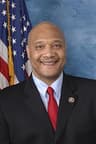 André Carson
Democrat · Indiana
 Eleanor Norton
Democrat · District of Columbia