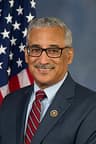
A Democratic bill with 8 Democratic cosponsors · See all 8 cosponsors
Last activity — Referred to the House Committee on Education and Workforce.
In committee
Introduced and handed to a committee in the chamber it started in.
The committee holds it, and most bills are never heard from again. A hearing or a committee vote would be news; silence is the usual outcome, and it kills the bill without anyone voting against it.
Its path through Congress
- Introduced
- In Committee
What this bill would do
The Protecting Children Act is designed to safeguard children from oppressive child labor and unsafe working conditions. It implements stricter civil and criminal penalties for violations of labor and safety laws. The bill expands the use of hot goods injunctions and enables private enforcement of certain rights. It also establishes a National Advisory Committee on Child Labor to provide expert guidance to federal agencies. Furthermore, the Act creates a dedicated fund to support research, training, and interagency collaboration. Finally, it mandates improved statistical programs and public education initiatives regarding young workers.
Yes
- Scored +10
Would children be better off under this?
The bill provides significant new protections, increased penalties for harm, and enhanced research to safeguard children from oppressive labor and unsafe conditions.
- Scored +5
Would people in their twenties and thirties be better off under this?
It provides safety and legal recourse for workers under 18, which includes older teenagers.
- Scored +5
Would households on low incomes be better off under this?
The bill protects children in potentially low-income or vulnerable working situations from exploitation.
The opposite
- Scored -7
Would business owners be better off under this?
Employers face significantly higher civil and criminal penalties, as well as increased litigation risks from expanded injunctions and private enforcement.
Who it would affect, and how
Potential Positive Impacts for People
-
Increased financial penalties for labor violations: The bill increases maximum civil penalties for oppressive child labor to $700,000 and for unsafe working conditions to $700,000 (Sec. 101).
-
Stricter penalties for harm to young workers: Civil penalties are doubled for significant violations that cause serious physical harm to employees under 18, and trebled if the violation results in the death of a child (Sec. 101).
-
Enhanced criminal accountability: The bill establishes criminal penalties, including potential imprisonment for up to 15 years or even life for violations that knowingly place a child in imminent danger or result in their death (Sec. 102).
-
Right to compensation for harmed children: The Act allows an employer who violates child labor laws to be liable to the affected child for compensatory and punitive damages (Sec. 104).
-
Expert oversight and guidance: The establishment of a National Advisory Committee on Child Labor ensures that issues regarding the safety and welfare of children are addressed by qualified experts (Sec. 201).
-
Improved research and data collection: The bill funds research into oppressive child labor and creates a comprehensive statistical program to monitor work-related illnesses and injuries for employees under 18 (Sec. 202, Sec. 402).
Potential Negative Impacts for People
-
Significant increase in potential fines and criminal sentences: Employers face much higher civil penalties and the possibility of significant prison time for negligence or knowing violations (Sec. 101, Sec. 102).
-
Increased legal and financial risks for employers: The expansion of the "hot goods" injunction period to ninety days and the enablement of private enforcement rights increase the legal risks associated with noncompliance (Sec. 103, Sec. 104).
-
New requirements for rulemaking and public comment: The updated process for hazardous occupation orders includes specific requirements for public comment and transparency that may affect how quickly standards are implemented (Sec. 301).
Groups and Interests Ranking
Every group the model scored this bill for, from -10 to +10. Tap or hover a score for the reason it gave.
- Demographic And Interest Groups
- Would children be better off under this? — The bill provides significant new protections, increased penalties for harm, and enhanced research to safeguard children from oppressive labor and unsafe conditions. Would households on low incomes be better off under this? — The bill protects children in potentially low-income or vulnerable working situations from exploitation. Would people in their twenties and thirties be better off under this? — It provides safety and legal recourse for workers under 18, which includes older teenagers. Would business owners be better off under this? — Employers face significantly higher civil and criminal penalties, as well as increased litigation risks from expanded injunctions and private enforcement.
- 7/16/2025
- 1 Cosponsor added.
- 6/27/2025
- 1 Cosponsor added.
- 6/26/2025
- 1 Cosponsor added.
- 6/23/2025
- 2 Cosponsors added.
- 6/12/2025
- Referred to the House Committee on Education and Workforce.
- 3 Cosponsors added.
- Introduced in House
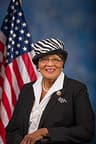 Alma Adams
Democrat · North Carolina
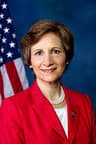 Suzanne Bonamici
Democrat · Oregon
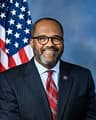 Troy Carter
Democrat · Louisiana
 Christopher Deluzio
Democrat · Pennsylvania
 Jahana Hayes
Democrat · Connecticut
 Morgan McGarvey
Democrat · Kentucky
 Eleanor Norton
Democrat · District of Columbia
 Ilhan Omar
Democrat · Minnesota