
Robin Kelly (D-IL)
Protect Black Women and Girls Act
A Democratic bill with 1 Republican cosponsor · See all 17 cosponsors
Last activity — Referred to the Committee on the Judiciary, and in addition to the Committees on Education and Workforce, Energy and Commerce, and Financial Services, for a period to be subsequently determined by the Speaker, in each case for consideration of such provisions as fall within the jurisdiction of the committee concerned.
In committee
Introduced and handed to a committee in the chamber it started in.
The committee holds it, and most bills are never heard from again. A hearing or a committee vote would be news; silence is the usual outcome, and it kills the bill without anyone voting against it.
Its path through Congress
- Introduced
- In Committee
What this bill would do
The "Protect Black Women and Girls Act" establishes an Interagency Task Force to examine the life experiences of Black women and girls across several sectors. This Task Force will look into issues involving education, economic development, healthcare, justice, and housing. The group is tasked with identifying effective policies and recommending improvements to federal, state, and local governments. Additionally, the United States Commission on Civil Rights will conduct a comprehensive study on various societal effects impacting this demographic. The goal is to promote community-based methods to address harm and ensure accountability.
Yes· 3 of 34
- Scored +9
Would Black Americans be better off under this?
The bill is specifically designed to improve the life experiences and outcomes of Black women and girls.
- Scored +8
Would women be better off under this?
The bill addresses numerous specific needs and challenges facing women.
- Scored +8
Does this narrow racial gaps in how people are treated?
The entire act is dedicated to addressing systemic disparities faced by Black women and girls.
The opposite
No question was scored the opposite.
Who it would affect, and how
Potential Positive Impacts for People
-
Educational Support: The bill proposes community-led programs for Black girls, including social and emotional learning, support for those with incarcerated parents, and restorative justice instead of expulsion (Section 3(e)(1)(A)).
-
Economic Opportunity: Provisions include prioritizing Black women-owned businesses for contracts, providing career mentorship, and supporting women re-entering the workforce after caring for dependents (Section 3(e)(2)).
-
Healthcare Access: The bill seeks to improve maternal health outcomes, provide on-demand mental health and substance use treatment, and increase access to essential medical screenings (Section 3(e)(3)).
-
Justice Reform: The Task Force is directed to recommend programs that promote treatment of underlying problems over incarceration and advocate for the use of parole and diversion programs (Section 3(e)(4)(B)).
-
Housing Stability: The act aims to increase access to permanent and transitional housing for women with children, those with disabilities, and those re-entering the community after incarceration (Section 3(e)(5)).
Potential Negative Impacts for People
- Compliance Restrictions: The Task Force must operate in compliance with requirements and restrictions under law, including those prohibiting discrimination on the basis of race and sex (Section 3(a)).
Groups and Interests Ranking
Every group the model scored this bill for, from -10 to +10. Tap or hover a score for the reason it gave.
- Demographic And Interest Groups
- Would Black Americans be better off under this? — The bill is specifically designed to improve the life experiences and outcomes of Black women and girls. Would women be better off under this? — The bill addresses numerous specific needs and challenges facing women. Would children be better off under this? — The bill includes several educational and support programs for young girls. Would business owners be better off under this? — The bill prioritizes Black women-owned businesses for government contracts. Would households on low incomes be better off under this? — The bill provides support for low-income workers and educational access. Would people with disabilities be better off under this? — The bill includes targeted support for women and girls with disabilities. Would students be better off under this? — The bill provides various educational support programs and scholarships. Would immigrants be better off under this? — The bill includes educational programs to support immigrant women. Would people in their twenties and thirties be better off under this? — The bill supports career exploration and higher education access. Would people in middle age be better off under this? — The bill includes support for women over 50 re-entering the workforce. Would people over 65 be better off under this? — The bill includes housing support for elderly women.
- Social Issues And Justice
- Does this narrow racial gaps in how people are treated? — The entire act is dedicated to addressing systemic disparities faced by Black women and girls. Does this narrow the gap between how men and women are treated? — The bill addresses specific gender-based challenges such as maternal health and domestic violence. Does this make housing cost less? — The bill seeks to increase access to permanent, transitional, and homeownership assistance. Does this shorten or soften prison sentences? — The bill examines mandatory minimums and promotes parole and diversion programs. Does this expand the rights of people with disabilities? — The bill includes support for Black women and girls with disabilities in education and the workforce. Does this protect the freedom to practise a religion? — The bill includes provisions to prohibit religious discrimination against Black Muslim girls. Is this likely to reduce homelessness? — The bill addresses housing stability and support for youth experiencing homelessness. Does this change how police departments operate? — The bill examines excessive use of force and promotes de-escalation in schools. Is this likely to lift people out of poverty? — The bill targets economic development and support for low-income Black women workers. Does this make it easier for immigrants already here to become citizens? — The bill includes educational support for immigrant women, including citizenship preparation.
- Education And Technology
- Does this make college cost less? — The bill includes provisions for college scholarships for children of incarcerated parents. Does this get reliable internet to more people? — The bill seeks to narrow the digital divide through access to communication technologies. Does this put more money into public schools? — The bill identifies and recommends educational support programs for K-12 students. Does this put more money into scientific research? — The bill promotes studies on the sociological and health effects on Black women and girls.
- Healthcare
- Does this make health care easier to get in general? — The bill targets improvements in maternal health, screenings, and overall healthcare access. Does this make mental health care easier to get? — The bill emphasizes on-demand mental health and trauma services for Black women and girls. Does this put more money into medical research? — The bill mandates studies on health outcomes specifically for Black women and girls.
- Governance And Ideology
- Does this protect the right to fair treatment by the courts? — The bill addresses justice and civil rights through legal assistance and sentencing reform. Does this make what the government does easier for the public to see? — The bill requires annual reports to Congress regarding the Task Force's activities. Does this give the federal government more power? — The bill establishes a federal Interagency Task Force.
- Economy And Finance
- Does this make it easier to run a small business? — The bill proposes prioritizing Black women-owned businesses for government contracts. Is this likely to grow the economy? — The bill aims to foster economic opportunities through entrepreneurship and small business prioritization. Is this likely to create jobs? — The bill promotes economic development through career mentorship and support for women re-entering the workforce.
- 6/30/2026
- 1 Cosponsor added.
- 7/10/2025
- 1 Cosponsor added.
- 6/27/2025
- 1 Cosponsor added.
- 6/25/2025
- 1 Cosponsor added.
- 6/20/2025
- 1 Cosponsor added.
- 6/12/2025
- Referred to the Committee on the Judiciary, and in addition to the Committees on Education and Workforce, Energy and Commerce, and Financial Services, for a period to be subsequently determined by the Speaker, in each case for consideration of such provisions as fall within the jurisdiction of the committee concerned.
- 12 Cosponsors added.
- Introduced in House
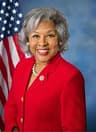 Joyce Beatty
Democrat · Ohio
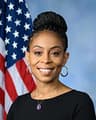 Shontel Brown
Democrat · Ohio
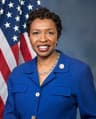 Yvette Clarke
Democrat · New York
 André Carson
Democrat · Indiana
 Brian Fitzpatrick
Republican · Pennsylvania
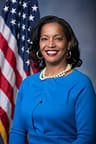 Jahana Hayes
Democrat · Connecticut
 Sydney Kamlager-Dove
Democrat · California
 Summer Lee
Democrat · Pennsylvania
 Gwen Moore
Democrat · Wisconsin
 Jennifer McClellan
Democrat · Virginia
 Eleanor Norton
Democrat · District of Columbia
 Ilhan Omar
Democrat · Minnesota
 Deborah Ross
Democrat · North Carolina
 Marilyn Strickland
Democrat · Washington
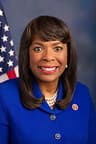 Terri Sewell
Democrat · Alabama
 Shri Thanedar
Democrat · Michigan
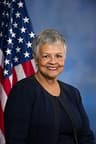 Bonnie Watson Coleman
Democrat · New Jersey