Bill · H.R. 3971· House(119-HR-3971)
Domestic Workers Bill of Rights Act
- Introduced
- 6/12/2025
- Last activity
- 6/12/2025 — Referred to the Committee on Education and Workforce, and in addition to the Committees on House Administration, Energy and Commerce, Ways and Means, Oversight and Government Reform, and the Judiciary, for a period to be subsequently determined by the Speaker, in each case for consideration of such provisions as fall within the jurisdiction of the committee concerned.
- Sponsored by
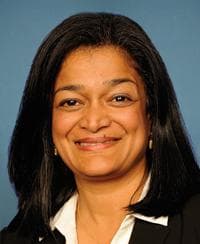
- Pramila Jayapal
- Cosponsors
- - 115 - 0
- Introduced
- In Committee
What this bill would do
The Domestic Workers Bill of Rights Act is designed to enhance the rights and protections of domestic employees through various labor and legal mandates. The bill aims to provide overtime protections, specific termination notice requirements for live-in employees, and mandates for written agreements, earned sick days, and fair scheduling practices. It also includes privacy protections and limits unfair wage deductions. To support these goals, the legislation creates a Domestic Employee Standards Board and an Interagency Task Force to oversee enforcement. Additionally, the bill authorizes a national hotline and provides for cost mitigation for states regarding Medicaid-funded services.
Yes· 3 of 21
Would households on low incomes be better off under this?+7
The bill provides significant wage, scheduling, and benefit protections for low-income domestic workers.
Would women be better off under this?+7
The bill specifically addresses the needs of a workforce that is predominantly female.
Does this put more money into Medicaid, the health coverage for people on low incomes?+7
The bill provides a temporary increase in the Federal Medical Assistance Percentage (FMAP) for Medicaid-funded domestic services.
The opposite
Would business owners be better off under this?-4
The bill imposes new labor mandates and administrative requirements on employers.
Who it would affect, and how
Potential Positive Impacts for People
-
Overtime Protections: Live-in domestic employees would receive overtime protections through the repeal of certain exclusions in the Fair labor standards act. (Sec. 101)
-
Termination Security: Live-in employees would receive written notice of termination and either lodging for 30 days or severance pay equivalent to two weeks of average earnings. (Sec. 102)
-
Communication Access: Employers requiring live-in service must provide reasonable access to telephone and internet services without charge. (Sec. 102)
-
Clear Employment Terms: Employers must provide written agreements in plain language that detail pay rates, work schedules, and responsibilities. (Sec. 110)
-
Paid Sick Leave: Employees can earn one hour of paid sick time for every 30 hours worked to use for medical needs, caregiving, or issues related to domestic violence, sexual assault, or stalking. (Sec. 111)
-
Scheduling Predictability: Employers are required to provide notice of scheduled work hours and must pay employees for canceled or reduced hours according to specific rules. (Sec. 112)
-
Personal Flexibility: Employees have the right to request and receive temporary changes to their scheduled work hours due to personal events. (Sec. 113)
-
Privacy Protections: The bill prohibits employers from monitoring employees while they use restrooms, in private living quarters, or while changing clothes. (Sec. 114)
-
Meal and Rest Breaks: The bill mandates uninterrupted 30-minute meal breaks after five hours of work and 10-minute rest breaks for every four hours worked. (Sec. 115)
-
Wage Protection: Employers are prohibited from deducting wages for cash shortages or breakage of equipment/belongings. (Sec. 116)
-
Protection from Discrimination: The bill extends civil rights protections against employment discrimination to certain domestic employees. (Sec. 131)
-
Protection Against Retaliation: It becomes unlawful to retaliate against employees for exercising their rights under this Act or engaging in collective bargaining. (Sec. 117)
-
Expanded Labor Protections: Domestic employees gain specific rights including overtime requirements, minimum wage considerations, and the right to meal and rest breaks. (Section 1 of "domestic workers bill of rights")
-
Increased Job Security and Rights: Employees are provided with rights regarding earned paid sick time, fair scheduling practices, and the ability to request temporary changes to scheduled work hours. (Section 1 of "domestic workers bill of rights")
-
Financial Protections: The bill protects employees from wage deductions caused by cash shortages, breakages, or loss. (Section 1 of "domestic workers bill of rights")
-
Access to Assistance and Information: A national domestic employee hotline will be established to help workers seek assistance on various issues. (Section 304) Additionally, the Secretary must create a notice of rights available in multiple languages to ensure workers understand their protections. (Section 302)
-
Support for Medicaid-Funded Workers: Regulations will be developed to protect, stabilize, and expand the workforce for personal care aides and assistants providing Medicaid-funded services. (Section 307)
-
State Cost Mitigation: The bill authorizes a temporary increase in the Federal Medical Assistance Percentage to ensure states do not have to reduce medical assistance levels due to the new labor protections. (Section 401)
Potential Negative Impacts for People
-
Termination Exceptions: Employers can bypass notice and severance requirements if they make a good faith allegation that a live-in employee engaged in abuse, neglect, or other harmful conduct. (Sec. 102)
-
Scheduling Exceptions: Requirements for notice and pay for canceled shifts do not apply during natural disasters, declared emergencies, or specific medical emergencies involving the person being cared for. (Sec. 112)
-
Break Exceptions: The right to meal and rest breaks may be suspended if the safety of the individual under the employee's care prevents the break. (Sec. 115)
-
Delayed Enforcement for Government Entities: Enforcement of the Act's provisions is delayed for at least two years regarding Federal, State, or local governmental agencies and their contractors. (Section 308)
-
Delayed Legal Recourse for Medicaid Workers: Domestic employees providing services funded under Medicaid cannot bring certain legal actions against their employers until at least two years after the Act's enactment. (Section 308)
Groups and Interests Ranking
Every group the model scored this bill for, from -10 to +10. Hover a score for the reason it gave.
- Demographic And Interest Groups
- Good For Low Income Households+7Good For Women+7Good For Immigrants+6Good For African Americans+5Good For Hispanic Americans+5Good For People With Disabilities+5Good For Union Workers+5Good For Business Owners-4
- Social Issues And Justice
- Improves Gender Equality+6Improves Disability Rights+5Improves Poverty Reduction+5Improves Racial Equity+5Improves Social Security+5
- Healthcare
- Increases Medicaid Funding+7Improves Healthcare Access+6Increases Medicare Funding+3
- Economy And Finance
- Improves Union Protections+5Increases Minimum Wage+5Increases Unemployment Benefits+5
- Governance And Ideology
- Improves Privacy Rights+5Improves Government Transparency+4Increases Federal Power+3
- 12/15/2025
- 1 Cosponsor added.
- 10/6/2025
- 2 Cosponsors added.
- 7/16/2025
- 1 Cosponsor added.
- 7/15/2025
- 1 Cosponsor added.
- 6/30/2025
- 2 Cosponsors added.
- 6/20/2025
- 2 Cosponsors added.
- 6/17/2025
- 2 Cosponsors added.
- 6/12/2025
- Referred to the Committee on Education and Workforce, and in addition to the Committees on House Administration, Energy and Commerce, Ways and Means, Oversight and Government Reform, and the Judiciary, for a period to be subsequently determined by the Speaker, in each case for consideration of such provisions as fall within the jurisdiction of the committee concerned.
- 104 Cosponsors added.
- Introduced in House
 Alma Adams
Democrat · North Carolina
 Gabe Amo
Democrat · Rhode Island
 Yassamin Ansari
Democrat · Arizona
 Suzanne Bonamici
Democrat · Oregon
 Joyce Beatty
Democrat · Ohio
 Julia Brownley
Democrat · California
 Donald Beyer
Democrat · Virginia
 Brendan Boyle
Democrat · Pennsylvania
 Nanette Barragán
Democrat · California
 Shontel Brown
Democrat · Ohio
 Nikki Budzinski
Democrat · Illinois
 Becca Balint
Democrat · Vermont
 Wesley Bell
Democrat · Missouri
 Emanuel Cleaver
Democrat · Missouri
 Yvette Clarke
Democrat · New York
 Steve Cohen
Democrat · Tennessee
 André Carson
Democrat · Indiana
 Judy Chu
Democrat · California
 Joaquin Castro
Democrat · Texas
 Sean Casten
Democrat · Illinois
 Troy Carter
Democrat · Louisiana
 Sheila Cherfilus-McCormick
Democrat · Florida
 Jasmine Crockett
Democrat · Texas
 Greg Casar
Democrat · Texas
 Danny Davis
Democrat · Illinois
 Rosa DeLauro
Democrat · Connecticut
 Lloyd Doggett
Democrat · Texas
 Christopher Deluzio
Democrat · Pennsylvania
 Suzan DelBene
Democrat · Washington
 Mark DeSaulnier
Democrat · California
 Debbie Dingell
Democrat · Michigan
 Madeleine Dean
Democrat · Pennsylvania
 Maxine Dexter
Democrat · Oregon
 Dwight Evans
Democrat · Pennsylvania
 Adriano Espaillat
Democrat · New York
 Veronica Escobar
Democrat · Texas
 Cleo Fields
Democrat · Louisiana
 Maxwell Frost
Democrat · Florida
 Valerie Foushee
Democrat · North Carolina
 Laura Friedman
Democrat · California
 Al Green
Democrat · Texas
 John Garamendi
Democrat · California
 Jimmy Gomez
Democrat · California
 Jesús García
Democrat · Illinois
 Sylvia Garcia
Democrat · Texas
 Robert Garcia
Democrat · California
 Daniel Goldman
Democrat · New York
 Adelita Grijalva
Democrat · Arizona
 Steven Horsford
Democrat · Nevada
 Jared Huffman
Democrat · California
 Jahana Hayes
Democrat · Connecticut
 Val Hoyle
Democrat · Oregon
 Henry Johnson
Democrat · Georgia
 Sara Jacobs
Democrat · California
 Jonathan Jackson
Democrat · Illinois
 Robin Kelly
Democrat · Illinois
 Ro Khanna
Democrat · California
 Raja Krishnamoorthi
Democrat · Illinois
 Teresa Leger Fernandez
Democrat · New Mexico
 Stephen Lynch
Democrat · Massachusetts
 Ted Lieu
Democrat · California
 Greg Landsman
Democrat · Ohio
 Summer Lee
Democrat · Pennsylvania
 James McGovern
Democrat · Massachusetts
 Kweisi Mfume
Democrat · Maryland
 Gregory Meeks
Democrat · New York
 Betty McCollum
Democrat · Minnesota
 Gwen Moore
Democrat · Wisconsin
 Doris Matsui
Democrat · California
 Grace Meng
Democrat · New York
 Seth Magaziner
Democrat · Rhode Island
 Kevin Mullin
Democrat · California
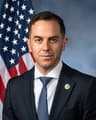 Robert Menendez
Democrat · New Jersey
 Jennifer McClellan
Democrat · Virginia
 LaMonica McIver
Democrat · New Jersey
 Sarah McBride
Democrat · Delaware
 Jerrold Nadler
Democrat · New York
 Eleanor Norton
Democrat · District of Columbia
 Donald Norcross
Democrat · New Jersey
 Alexandria Ocasio-Cortez
Democrat · New York
 Ilhan Omar
Democrat · Minnesota
 Chellie Pingree
Democrat · Maine
 Mark Pocan
Democrat · Wisconsin
 Ayanna Pressley
Democrat · Massachusetts
 Mike Quigley
Democrat · Illinois
 Deborah Ross
Democrat · North Carolina
 Delia Ramirez
Democrat · Illinois
 Emily Randall
Democrat · Washington
 Adam Smith
Democrat · Washington
 Janice Schakowsky
Democrat · Illinois
 Linda Sánchez
Democrat · California
 David Scott
Democrat · Georgia
 Marilyn Strickland
Democrat · Washington
 Terri Sewell
Democrat · Alabama
 Eric Swalwell
Democrat · California
 Darren Soto
Democrat · Florida
 Mary Gay Scanlon
Democrat · Pennsylvania
 Haley Stevens
Democrat · Michigan
 Melanie Stansbury
Democrat · New Mexico
 Emilia Sykes
Democrat · Ohio
 Andrea Salinas
Democrat · Oregon
 Lateefah Simon
Democrat · California
 Bennie Thompson
Democrat · Mississippi
 Mark Takano
Democrat · California
 Rashida Tlaib
Democrat · Michigan
 Lori Trahan
Democrat · Massachusetts
 Ritchie Torres
Democrat · New York
 Jill Tokuda
Democrat · Hawaii
 Shri Thanedar
Democrat · Michigan
 Nydia Velázquez
Democrat · New York
 Juan Vargas
Democrat · California
 Nikema Williams
Democrat · Georgia
 Debbie Wasserman Schultz
Democrat · Florida
 Frederica Wilson
Democrat · Florida
 Bonnie Watson Coleman
Democrat · New Jersey