Bill · H.R. 3460· House(119-HR-3460)
AI Whistleblower Protection Act
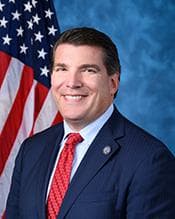
- Introduced
- 5/15/2025
- Last activity
- 5/15/2025 — Referred to the House Committee on Education and Workforce.
- Sponsored by
- Jay Obernolte
- Cosponsors
- - 1 - 7
- Introduced
- In Committee
What this bill would do
The AI Whistleblower Protection Act aims to prohibit employment discrimination against individuals who report AI security vulnerabilities or violations. It defines AI security vulnerabilities as failures that could allow technology to be stolen and AI violations as federal law violations or failures to respond to dangers to public safety, health, or national security. The bill protects employees and independent contractors from retaliation such as firing, demotion, or harassment for sharing information with officials, law enforcement, or supervisors. It establishes enforcement procedures through the Secretary of Labor or via district court actions. If a worker prevails, they may receive reinstatement, back pay, and compensatory damages.
Yes· 3 of 8
Does this better protect the country from computer attacks?+6
By protecting whistleblowers reporting AI vulnerabilities, the bill helps identify and mitigate security threats.
Does this make what the government does easier for the public to see?+5
By encouraging reports of AI violations, the bill promotes transparency in the deployment of new technologies.
Does this strengthen the rights of workers to organise?+5
The bill enhances protections for workers, including independent contractors, against employer retaliation.
The opposite
Would business owners be better off under this?-3
The bill creates potential legal liabilities and administrative burdens for employers.
Who it would affect, and how
Potential Positive Impacts for People
-
Protection from Retaliation: Covered individuals, including employees and independent contractors, are protected from being fired, demoted, suspended, blacklisted, or harassed for reporting AI-related concerns (Section 3(a)).
-
Encouragement of Internal Reporting: The bill protects those who provide information to people with supervisory authority or those believed to have the authority to investigate or address misconduct (Section 3(a)(3)).
-
Access to Legal Recourse: If an employer retaliates, individuals can file complaints with the Secretary of Labor or bring actions in federal district court to seek justice (Section 3(b)(1)).
-
Financial and Professional Recovery: Successful whistleblowers can seek relief including reinstatement with seniority, double back pay with interest, and compensation for litigation costs and attorney's fees (Section 3(b)(3)).
-
Prevention of Forced Arbitration: The bill ensures that workers cannot be forced to waive their rights or use alternative dispute resolution processes like arbitration through employment contracts (Section 3(c)).
Potential Negative Impacts for People
-
Legal Time Constraints: Individuals bringing a district court action must follow strict statutes of limitations, such as not filing more than 6 years after a violation occurs or 3 years after facts are known (Section 3(b)(2)(B)(i)).
-
Complexity of Definitions: The bill includes specific definitions for what constitutes an "AI security vulnerability" and an "AI violation" which may impact what can be reported (Section 2).
Groups and Interests Ranking
Every group the model scored this bill for, from -10 to +10. Hover a score for the reason it gave.
- Governance And Ideology
- Improves Government Transparency+5Improves Due Process+4Increases Federal Power+3
- Economy And Finance
- Improves Union Protections+5Improves Consumer Protection+3
- National Security And Foreign Policy
- Improves Cybersecurity Defense+6
- Education And Technology
- Increases Big Tech Regulation+4
- Demographic And Interest Groups
- Good For Union Workers+5Good For Business Owners-3
- 10/1/2026
- 1 Cosponsor added.
- 1/6/2026
- 1 Cosponsor added.
- 10/21/2025
- 2 Cosponsors added.
- 10/17/2025
- 1 Cosponsor added.
- 8/8/2025
- 1 Cosponsor added.
- 6/5/2025
- 1 Cosponsor added.
- 5/15/2025
- Referred to the House Committee on Education and Workforce.
- 1 Cosponsor added.
- Introduced in House
2 bills Congress.gov lists as related to this one — companions in the other chamber, earlier versions, and bills this one absorbed or was folded into.
 Valerie Foushee
Democrat · North Carolina
 Josh Gottheimer
Democrat · New Jersey
 Josh Harder
Democrat · California
 Ted Lieu
Democrat · California
 Mike Levin
Democrat · California
 John Moolenaar
Republican · Michigan
 Mark Pocan
Democrat · Wisconsin
 Eugene Vindman
Democrat · Virginia