Bill · H.R. 3069· House(119-HR-3069)
Medicare for All Act
- Introduced
- 4/29/2025
- Last activity
- 4/29/2025 — Referred to the Committee on Energy and Commerce, and in addition to the Committees on Ways and Means, Education and Workforce, Rules, Oversight and Government Reform, Armed Services, and the Judiciary, for a period to be subsequently determined by the Speaker, in each case for consideration of such provisions as fall within the jurisdiction of the committee concerned.
- Sponsored by
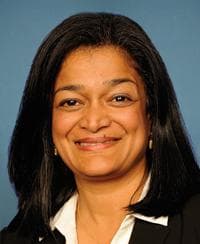
- Pramila Jayapal
- Cosponsors
- - 117 - 0
- Introduced
- In Committee
What this bill would do
This bill establishes a national Medicare-for-All health insurance program to provide comprehensive health coverage to United States residents. It creates a universal enrollment system that issues a Universal Medicare card and eliminates cost-sharing like deductibles, copayments, and balance billing for covered services. The program covers a wide range of medical care, including hospital services, long-term care, prescription drugs, dental, vision, and mental health care. Over a two-year transition period, certain age groups become eligible early, and existing programs like the ACA exchanges and traditional Medicare are eventually phased out. Funding is channeled through a newly created Universal Medicare Trust Fund, and the Secretary of Health and Human Services is given broad authority to set budgets and negotiate provider payments and drug prices.
Yes· 3 of 53
Would children be better off under this?+10
Provides automatic enrollment at birth and comprehensive pediatric coverage.
Would people in their twenties and thirties be better off under this?+10
Guarantees universal access to health care regardless of employment status.
Would people over 65 be better off under this?+10
Expands Medicare to include comprehensive long-term care and removes cost-sharing.
The opposite· 3 of 7
Does this lower what people pay for private health insurance?-10
Bans private insurers from selling coverage that duplicates the act's benefits, effectively eliminating the primary private insurance market.
Does this give the government more power to monitor people inside the country?-10
Explicitly prohibits the use of program resources for law enforcement of registration requirements based on immigration, religion, or national origin.
Does this strengthen the Affordable Care Act?-8
Sunsets State Exchanges and other ACA-related provisions to transition to the single-payer system.
Who it would affect, and how
Potential Positive Impacts for People
-
Section 102 grants universal health care coverage to every United States resident, ensuring that all people living in the country have access to necessary health services.
-
Section 202 explicitly prohibits any cost-sharing, including deductibles, coinsurance, copayments, or balance billing, which protects everyday people from out-of-pocket medical expenses and unexpected bills.
-
Section 201 and Section 204 provide a comprehensive set of benefits—including hospital care, prescription drugs, mental health services, and long-term care services—giving individuals robust support for various health and daily living needs.
-
Section 301 protects healthcare employees and providers from retaliation by establishing whistleblower protections, ensuring workers can report safety violations or ethical concerns without fear of losing their jobs.
-
Section 617 requires the Secretary to annually negotiate the prices of prescription drugs and medical devices, which can help lower the cost of medications for the public.
Potential Negative Impacts for People
-
Section 107 makes it unlawful for private health insurers to sell health insurance coverage that duplicates the benefits provided under the Act, and stops employers from providing duplicative employee health benefits, which removes current private insurance choices for individuals and workers.
-
Section 902 terminates the Federal and State Health Insurance Exchanges two years after the enactment of the Act, ending the availability of plans and subsidies previously offered through those exchanges.
-
Section 614 prohibits payments to providers from taking into account or being used for provider profits, marketing, or incentive payments based on patient utilization, which could potentially disrupt existing operations or compensation structures for certain healthcare providers and facilities.
Groups and Interests Ranking
Every group the model scored this bill for, from -10 to +10. Hover a score for the reason it gave.
- Demographic And Interest Groups
- Good For Children+10Good For Immigrants+10Good For L G B T Q Community+10Good For Low Income Households+10Good For Native Americans+10Good For People With Disabilities+10Good For Retirees+10Good For Seniors+10Good For Women+10Good For Young Adults+10Good For African Americans+9Good For Asian Americans+9Good For Hispanic Americans+9Good For Rural Residents+9Good For Students+9Good For Men+8Good For Middle Aged+8Good For Middle Class Households+8Good For Urban Residents+8Good For White Americans+8Good For Farmers+7Good For Veterans+7Good For Union Workers+6Good For Business Owners+5Good For High Income Households+4
- Healthcare
- Improves Abortion Access+10Improves Healthcare Access+10Improves Mental Health Access+10Increases Medicare Funding+10Reduces Prescription Drug Costs+10Improves Opioid Crisis Response+8Improves Pandemic Preparedness+8Reduces Hospital Costs+8Improves Veterans Healthcare+7Increases Research Funding+6Increases Medicaid Funding+5Reduces Private Insurance Premiums-10Increases Affordable Care Act Support-8
- Social Issues And Justice
- Improves Disability Rights+10Improves L G B T Q Rights+10Improves Gender Equality+9Improves Racial Equity+9Improves Poverty Reduction+8
- Governance And Ideology
- Increases Federal Power+10Improves Privacy Rights+7Improves Government Transparency+6Improves Due Process+5Increase States Rights-7
- Environment Energy And Infrastructure
- Improves Rural Development+7Improves Disaster Relief And F E M A+5
- Education And Technology
- Improves Data Privacy+6Increases Scientific Research Funding+5Improves Intellectual Property Fairness-7
- National Security And Foreign Policy
- Improves Veterans Benefits+6Increases Domestic Surveillance-10
- Economy And Finance
- Improves Consumer Protection+8Improves Small Business Support+5Improves Union Protections+2Reduces Government Spending-8Improves Fiscal Responsibility-5
- 9/24/2026
- 1 Cosponsor added.
- 9/16/2026
- 1 Cosponsor added.
- 9/14/2026
- 1 Cosponsor added.
- 4/27/2026
- 1 Cosponsor added.
- 4/21/2026
- 1 Cosponsor added.
- 3/2/2026
- 1 Cosponsor added.
- 12/18/2025
- 1 Cosponsor added.
- 12/10/2025
- 2 Cosponsors added.
- 12/2/2025
- 1 Cosponsor added.
- 11/20/2025
- 1 Cosponsor added.
- 9/3/2025
- 1 Cosponsor added.
- 4/29/2025
- Referred to the Committee on Energy and Commerce, and in addition to the Committees on Ways and Means, Education and Workforce, Rules, Oversight and Government Reform, Armed Services, and the Judiciary, for a period to be subsequently determined by the Speaker, in each case for consideration of such provisions as fall within the jurisdiction of the committee concerned.
- 105 Cosponsors added.
- Introduced in House
 Alma Adams
Democrat · North Carolina
 Yassamin Ansari
Democrat · Arizona
 Suzanne Bonamici
Democrat · Oregon
 Donald Beyer
Democrat · Virginia
 Brendan Boyle
Democrat · Pennsylvania
 Nanette Barragán
Democrat · California
 Shontel Brown
Democrat · Ohio
 Becca Balint
Democrat · Vermont
 Wesley Bell
Democrat · Missouri
 Janelle Bynum
Democrat · Oregon
 Everton Blair
Democrat · Georgia
 Emanuel Cleaver
Democrat · Missouri
 Yvette Clarke
Democrat · New York
 Steve Cohen
Democrat · Tennessee
 André Carson
Democrat · Indiana
 Judy Chu
Democrat · California
 Salud Carbajal
Democrat · California
 Troy Carter
Democrat · Louisiana
 Sheila Cherfilus-McCormick
Democrat · Florida
 Jasmine Crockett
Democrat · Texas
 Greg Casar
Democrat · Texas
 Danny Davis
Democrat · Illinois
 Diana DeGette
Democrat · Colorado
 Lloyd Doggett
Democrat · Texas
 Christopher Deluzio
Democrat · Pennsylvania
 Mark DeSaulnier
Democrat · California
 Debbie Dingell
Democrat · Michigan
 Maxine Dexter
Democrat · Oregon
 Adriano Espaillat
Democrat · New York
 Veronica Escobar
Democrat · Texas
 Sarah Elfreth
Democrat · Maryland
 Lois Frankel
Democrat · Florida
 Maxwell Frost
Democrat · Florida
 Valerie Foushee
Democrat · North Carolina
 Shomari Figures
Democrat · Alabama
 Laura Friedman
Democrat · California
 Al Green
Democrat · Texas
 John Garamendi
Democrat · California
 Jimmy Gomez
Democrat · California
 Jesús García
Democrat · Illinois
 Robert Garcia
Democrat · California
 Daniel Goldman
Democrat · New York
 Adelita Grijalva
Democrat · Arizona
 Jared Huffman
Democrat · California
 Jahana Hayes
Democrat · Connecticut
 Josh Harder
Democrat · California
 Val Hoyle
Democrat · Oregon
 Glenn Ivey
Democrat · Maryland
 Henry Johnson
Democrat · Georgia
 Sara Jacobs
Democrat · California
 Jonathan Jackson
Democrat · Illinois
 Julie Johnson
Democrat · Texas
 William Keating
Democrat · Massachusetts
 Robin Kelly
Democrat · Illinois
 Ro Khanna
Democrat · California
 Sydney Kamlager-Dove
Democrat · California
 Timothy Kennedy
Democrat · New York
 Teresa Leger Fernandez
Democrat · New Mexico
 Zoe Lofgren
Democrat · California
 John Larson
Democrat · Connecticut
 Ted Lieu
Democrat · California
 Mike Levin
Democrat · California
 Summer Lee
Democrat · Pennsylvania
 James McGovern
Democrat · Massachusetts
 Kweisi Mfume
Democrat · Maryland
 Gregory Meeks
Democrat · New York
 Betty McCollum
Democrat · Minnesota
 Grace Meng
Democrat · New York
 Jared Moskowitz
Democrat · Florida
 Morgan McGarvey
Democrat · Kentucky
 Kevin Mullin
Democrat · California
 LaMonica McIver
Democrat · New Jersey
 April McClain Delaney
Democrat · Maryland
 Dave Min
Democrat · California
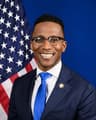 Christian Menefee
Democrat · Texas
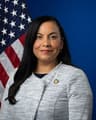 Analilia Mejia
Democrat · New Jersey
 Jerrold Nadler
Democrat · New York
 Eleanor Norton
Democrat · District of Columbia
 Joe Neguse
Democrat · Colorado
 Alexandria Ocasio-Cortez
Democrat · New York
 Ilhan Omar
Democrat · Minnesota
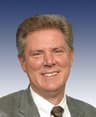 Frank Pallone
Democrat · New Jersey
 Chellie Pingree
Democrat · Maine
 Mark Pocan
Democrat · Wisconsin
 Jimmy Panetta
Democrat · California
 Ayanna Pressley
Democrat · Massachusetts
 Mike Quigley
Democrat · Illinois
 Jamie Raskin
Democrat · Maryland
 Delia Ramirez
Democrat · Illinois
 Luz Rivas
Democrat · California
 Emily Randall
Democrat · Washington
 Robert Scott
Democrat · Virginia
 Brad Sherman
Democrat · California
 Adam Smith
Democrat · Washington
 Janice Schakowsky
Democrat · Illinois
 Linda Sánchez
Democrat · California
 Eric Swalwell
Democrat · California
 Melanie Stansbury
Democrat · New Mexico
 Andrea Salinas
Democrat · Oregon
 Lateefah Simon
Democrat · California
 Bennie Thompson
Democrat · Mississippi
 Mike Thompson
Democrat · California
 Dina Titus
Democrat · Nevada
 Paul Tonko
Democrat · New York
 Mark Takano
Democrat · California
 Rashida Tlaib
Democrat · Michigan
 Lori Trahan
Democrat · Massachusetts
 Ritchie Torres
Democrat · New York
 Jill Tokuda
Democrat · Hawaii
 Shri Thanedar
Democrat · Michigan
 Nydia Velázquez
Democrat · New York
 Juan Vargas
Democrat · California
 Maxine Waters
Democrat · California
 Nikema Williams
Democrat · Georgia
 Frederica Wilson
Democrat · Florida
 Bonnie Watson Coleman
Democrat · New Jersey
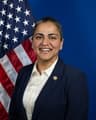 Aisha Wahab
Democrat · California