
A Democratic bill with 13 Democratic cosponsors · See all 13 cosponsors
Last activity — Referred to the Committee on House Administration, and in addition to the Committee on Oversight and Government Reform, for a period to be subsequently determined by the Speaker, in each case for consideration of such provisions as fall within the jurisdiction of the committee concerned.
In committee
Introduced and handed to a committee in the chamber it started in.
The committee holds it, and most bills are never heard from again. A hearing or a committee vote would be news; silence is the usual outcome, and it kills the bill without anyone voting against it.
Its path through Congress
- Introduced
- In Committee
What this bill would do
The "Vote at Home Act of 2025" aims to expand and simplify voting access for Federal elections. It requires States to allow all eligible voters to vote by mail and mandates that States mail ballots to registered voters at least two weeks before an election. Additionally, the bill directs State motor vehicle authorities to streamline voter registration by including application forms with driver's license transactions. It also establishes a system for automatic voter registration for eligible citizens through these motor vehicle authorities. Finally, the legislation mandates that ballots be carried expeditiously and free of postage.
Yes· 3 of 10
- Scored +10
Does this protect the right to vote?
The bill significantly expands voting access through universal mail-in ballots and automatic registration.
- Scored +10
Does this make casting a ballot easier in practice?
The bill expands voting access via mail-in options, free postage, and streamlined registration.
- Scored +10
Does this make elections run better?
The bill aims to modernize and streamline the voter registration and ballot delivery processes.
The opposite
- Scored -5
Does this leave more decisions to the states?
The bill imposes national mandates on how states must conduct mail-in voting and voter registration.
Who it would affect, and how
Potential Positive Impacts for People
-
Increased Voting Accessibility: The bill requires States to mail ballots to registered voters at least two weeks before a Federal election, which can help people with work, family, or other commitments (Section 3(a)(1)).
-
Support for Voters with Disabilities: The bill mandates that all provided ballots must be accessible to individuals with disabilities to provide the same opportunity for access and participation as other voters (Section 3(a)(1)).
-
Cost Savings for Voters: The bill requires that blank ballots mailed by a State or local official, and voted ballots returned by a voter, be carried free of postage (Section 3(a)(2)).
-
Streamlined Registration: The bill directs State motor vehicle authorities to include voter registration forms as part of a driver's license application, using only the minimum information necessary to prevent duplicates and assess eligibility (Section 4(a)(1)).
-
Automatic Registration: Eligible citizens can be automatically registered to vote through State motor vehicle authorities if they have presented documents demonstrating citizenship (Section 4(a)(2)).
-
Legal Protections: The bill provides protections stating that an individual shall not be prosecuted or adversely affected in civil adjudications concerning immigration status due to errors in automatic registration, such as registration at an incorrect address or agency error (Section 4(a)(2)).
Potential Negative Impacts for People
-
State Restrictions on Mail-in Requests: While the bill limits additional conditions, States are still permitted to impose deadlines for requesting ballots and returning them (Section 3(a)(1)).
-
Potential for Registration Errors: The bill acknowledges that errors can occur during the automatic registration process, such as an individual being registered at an incorrect address (Section 4(a)(2)).
-
Removal of Ineligible Voters: If an election official later determines an individual does not meet eligibility requirements, that individual will be removed from the official list of registered voters and deemed never to have registered (Section 4(a)(2)).
Groups and Interests Ranking
Every group the model scored this bill for, from -10 to +10. Tap or hover a score for the reason it gave.
- Social Issues And Justice
- Does this make casting a ballot easier in practice? — The bill expands voting access via mail-in options, free postage, and streamlined registration. Does this protect the right to vote? — The bill significantly expands voting access through universal mail-in ballots and automatic registration. Does this expand the rights of people with disabilities? — The bill mandates that all mail-in ballots be accessible to individuals with disabilities.
- Demographic And Interest Groups
- Would people with disabilities be better off under this? — The bill specifically mandates that ballots be accessible to people with disabilities. Would immigrants be better off under this? — The bill provides legal protections against prosecution for errors in automatic registration. Would households on low incomes be better off under this? — The bill eliminates postage costs for voting, benefiting low-income voters. Would people in rural areas be better off under this? — The bill increases voting accessibility for rural areas by mandating mail-in ballots.
- Governance And Ideology
- Does this make elections run better? — The bill aims to modernize and streamline the voter registration and ballot delivery processes. Does this protect people from being watched or searched? — The bill protects voters from being prosecuted due to errors in automatic registration. Does this give the federal government more power? — The bill mandates state-level changes to voting procedures for federal elections. Does this leave more decisions to the states? — The bill imposes national mandates on how states must conduct mail-in voting and voter registration.
- 4/10/2025
- Referred to the Committee on House Administration, and in addition to the Committee on Oversight and Government Reform, for a period to be subsequently determined by the Speaker, in each case for consideration of such provisions as fall within the jurisdiction of the committee concerned.
- 13 Cosponsors added.
- Introduced in House
One bill Congress.gov lists as related to this one — companions in the other chamber, earlier versions, and bills this one absorbed or was folded into.
 Suzanne Bonamici
Democrat · Oregon
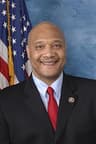 André Carson
Democrat · Indiana
 Judy Chu
Democrat · California
 Christopher Deluzio
Democrat · Pennsylvania
 Maxine Dexter
Democrat · Oregon
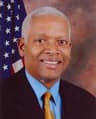 Henry Johnson
Democrat · Georgia
 Eleanor Norton
Democrat · District of Columbia
 Janice Schakowsky
Democrat · Illinois
 Andrea Salinas
Democrat · Oregon
 Paul Tonko
Democrat · New York
 Rashida Tlaib
Democrat · Michigan
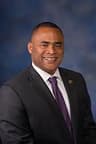 Marc Veasey
Democrat · Texas
 Bonnie Watson Coleman
Democrat · New Jersey