Bill · H.R. 2833· House(119-HR-2833)
Adoption Tax Credit Refundability Act of 2025
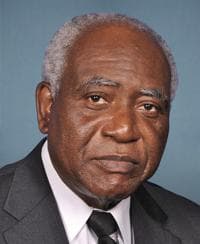
- Introduced
- 4/10/2025
- Last activity
- 4/10/2025 — Referred to the House Committee on Ways and Means.
- Sponsored by
- Danny Davis
- Cosponsors
- - 6 - 6
- Introduced
- In Committee
What this bill would do
This bill, titled the "Adoption Tax Credit Refundability Act of 2025," seeks to amend the Internal Revenue Code of 1986. The primary goal is to provide for a refundable adoption tax credit. It involves redesignating and moving the adoption expense credit to a different part of the tax code. The legislation also includes provisions for third-party affidavits to verify legal adoptions. These changes would apply to taxable years beginning after December 31, 2025.
Yes· 3 of 4
Would households on low incomes be better off under this?+7
Making the adoption credit refundable ensures that lower-income families can fully utilize the credit even if they have little tax liability.
Would children be better off under this?+5
The bill facilitates the adoption process, which can benefit children entering new families.
Would middle-income households be better off under this?+5
The refundability adds flexibility and direct financial support for middle-class adoption costs.
The opposite
No question was scored the opposite.
Who it would affect, and how
Potential Positive Impacts for People
-
Refundable Adoption Tax Credit: The bill moves the adoption expense credit to a subpart relating to refundable credits, which would provide a refundable credit for adoption expenses (Section 2).
-
Verification of Legal Adoption: The bill allows for the creation of a standardized third-party affidavit to help verify a legal adoption, which could apply to specific types of qualified adoption expenses or involve children with special needs (Section 2(b)).
-
Treatment of Carryforward Excess: For taxpayers with an excess from the previous system, the bill includes a rule to add that excess to the credit allowable under the new section for the first applicable taxable year (Section 2(d)).
Potential Negative Impacts for People
- No negative impacts are explicitly stated in the provided text.
Groups and Interests Ranking
Every group the model scored this bill for, from -10 to +10. Hover a score for the reason it gave.
- Demographic And Interest Groups
- Good For Low Income Households+7Good For Children+5Good For Middle Class Households+5
- Economy And Finance
- Reduces Middle Class Taxes+5
- 6/23/2025
- 1 Cosponsor added.
- 6/3/2025
- 2 Cosponsors added.
- 5/29/2025
- 1 Cosponsor added.
- 4/21/2025
- 1 Cosponsor added.
- 4/10/2025
- Referred to the House Committee on Ways and Means.
- 7 Cosponsors added.
- Introduced in House
One bill Congress.gov lists as related to this one — companions in the other chamber, earlier versions, and bills this one absorbed or was folded into.
 Robert Aderholt
Republican · Alabama
 Donald Beyer
Democrat · Virginia
 Don Bacon
Republican · Nebraska
 Angie Craig
Democrat · Minnesota
 Randy Feenstra
Republican · Iowa
 Brian Fitzpatrick
Republican · Pennsylvania
 Sydney Kamlager-Dove
Democrat · California
 Gwen Moore
Democrat · Wisconsin
 Blake Moore
Republican · Utah
 Eleanor Norton
Democrat · District of Columbia
 Mark Pocan
Democrat · Wisconsin
 Pete Stauber
Republican · Minnesota