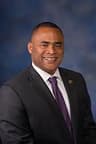
Marc Veasey (D-TX)
Protecting Election Administration from Interference Act of 2025
A Democratic bill with 5 Democratic cosponsors · See all 5 cosponsors
Last activity — Referred to the Committee on the Judiciary, and in addition to the Committee on House Administration, for a period to be subsequently determined by the Speaker, in each case for consideration of such provisions as fall within the jurisdiction of the committee concerned.
In committee
Introduced and handed to a committee in the chamber it started in.
The committee holds it, and most bills are never heard from again. A hearing or a committee vote would be news; silence is the usual outcome, and it kills the bill without anyone voting against it.
Its path through Congress
- Introduced
- In Committee
What this bill would do
This bill, titled the "Protecting Election Administration from Interference Act of 2025," aims to enhance the protections for election records, papers, and equipment. It amends the Civil Rights Act of 1960 to include electronic records and election equipment under preservation requirements. The bill adds penalties for those who act with reckless disregard regarding these items and allows for the reuse of equipment under specific conditions. Additionally, it establishes a new right of action for the Attorney General or Federal election candidates to compel compliance through the courts. Finally, it updates the National Voter Registration Act of 1993 to include specific activities related to voting results.
Yes· 3 of 8
- Scored +7
Does this make elections run better?
The bill significantly strengthens the integrity of the electoral process through mandatory record preservation and enhanced accountability.
- Scored +5
Does this make what the government does easier for the public to see?
The bill increases transparency by allowing for the observation of the preservation and transfer of election records.
- Scored +5
Does this protect the right to vote?
The bill enhances the protection and preservation of election records and equipment, which bolsters the integrity of the voting process.
The opposite
- Scored -2
Does this leave more decisions to the states?
The bill imposes stricter federal mandates and judicial review on state-level election administration.
Who it would affect, and how
Potential Positive Impacts for People
-
Enhanced Preservation of Election Materials: By expanding the definition of what must be preserved to include electronic records and election equipment, the bill seeks to ensure that more than just paper is kept safe (Section 2(a)).
-
Accountability for Negligence: The bill introduces penalties for officials who act with "reckless disregard" for the preservation of election materials, which could hold officials more accountable for how they handle sensitive data (Section 2(a) and 2(b)).
-
Clearer Standards and Oversight: The requirement for the Director of the Cybersecurity and Infrastructure Security Agency to issue guidance and protocols provides a framework for the security, transfer, and observation of election materials (Section 2(a)).
-
Ability to Enforce Compliance: The bill creates a legal pathway for the Attorney General or Federal election candidates to take action in court to ensure that election records and equipment are being properly preserved (Section 3).
-
Expedited Legal Resolution: By mandating that courts advance these cases on the docket, the bill aims to ensure that disputes regarding election records are resolved as quickly as possible (Section �3).
Potential Negative Impacts for People
-
Restrictions on Equipment Use: While the bill allows for the reuse of election equipment, it carries specific requirements for retaining all electronic records and data from Federal elections, which creates specific mandates for how equipment is handled (Section 2(a)).
-
Increased Legal Obligations for Officials: The expansion of what constitutes a failure to comply—now including "reckless disregard"—and the inclusion of electronic records may increase the burden of responsibility on election officers (Section 2(a)).
Groups and Interests Ranking
Every group the model scored this bill for, from -10 to +10. Tap or hover a score for the reason it gave.
- Governance And Ideology
- Does this make elections run better? — The bill significantly strengthens the integrity of the electoral process through mandatory record preservation and enhanced accountability. Does this make what the government does easier for the public to see? — The bill increases transparency by allowing for the observation of the preservation and transfer of election records. Does this give the federal government more power? — The bill expands federal oversight and judicial authority over the preservation of election materials. Does this protect the right to fair treatment by the courts? — The bill provides an expedited judicial process for addressing disputes regarding election records. Does this leave more decisions to the states? — The bill imposes stricter federal mandates and judicial review on state-level election administration.
- Social Issues And Justice
- Does this protect the right to vote? — The bill enhances the protection and preservation of election records and equipment, which bolsters the integrity of the voting process. Does this make casting a ballot easier in practice? — By securing election equipment and records, the bill helps ensure that votes are processed and counted reliably.
- National Security And Foreign Policy
- Does this better protect the country from computer attacks? — The bill expands protections to include electronic election records and equipment, strengthening digital election security.
- Education And Technology
- Does this give people more control over their personal data? — The bill mandates the preservation of electronic records and files, which provides a framework for data integrity in elections.
- 4/9/2025
- Referred to the Committee on the Judiciary, and in addition to the Committee on House Administration, for a period to be subsequently determined by the Speaker, in each case for consideration of such provisions as fall within the jurisdiction of the committee concerned.
- 5 Cosponsors added.
- Introduced in House
 Christopher Deluzio
Democrat · Pennsylvania
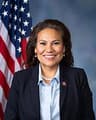 Veronica Escobar
Democrat · Texas
 Al Green
Democrat · Texas
 Eleanor Norton
Democrat · District of Columbia
 Paul Tonko
Democrat · New York