
A Republican bill with 4 Republican cosponsors · See all 4 cosponsors
Last activity — Referred to the Committee on Education and Workforce, and in addition to the Committee on House Administration, for a period to be subsequently determined by the Speaker, in each case for consideration of such provisions as fall within the jurisdiction of the committee concerned.
In committee
Introduced and handed to a committee in the chamber it started in.
The committee holds it, and most bills are never heard from again. A hearing or a committee vote would be news; silence is the usual outcome, and it kills the bill without anyone voting against it.
Its path through Congress
- Introduced
- In Committee
What this bill would do
This bill is titled the "Love Them Both Act of 2025." It seeks to prohibit specific regulations related to the Pregnant Workers Fairness Act. Specifically, it targets the implementation and enforcement of regulations by the Equal Employment Opportunity Commission. It also targets the Board of Directors of the Office of Congressional Workplace Rights. The bill aims to prevent these entities from creating or enforcing regulations that apply to abortion or the coverage of abortion or abortion-related services.
Yes
- Scored +3
Would business owners be better off under this?
The bill reduces regulatory burdens and potential compliance costs related to abortion-related services.
The opposite· 3 of 5
- Scored -5
Does this make abortion easier to get?
The bill prohibits regulations that could facilitate or protect coverage for abortion-related services under the Pregnant Workers Fairness Act.
- Scored -5
Would women be better off under this?
The bill prevents the implementation of regulations that could protect women's rights to abortion-related workplace accommodations.
- Scored -4
Does this narrow the gap between how men and women are treated?
By excluding abortion-related services from the Pregnant Workers Fairness Act, it may limit workplace protections related to reproductive health for women.
Who it would affect, and how
Potential Positive Impacts for People
- Limitation of Regulatory Scope: The bill prevents the Equal Employment Opportunity Commission and the Board of Directors of the Office of Congressional Workplace Rights from finalizing, implementing, or enforcing regulations regarding abortion or abortion-related services (Section 2). This may benefit those who oppose the inclusion of abortion-related coverage within the Pregnant Workers Fairness Act.
Potential Negative Impacts for People
- Restriction of Regulatory Authority: The bill prohibits the Equal Employment Opportunity Commission and the Board of Directors of the Office of Congressional Workplace Rights from finalizing, implementing, or enforcing any regulation that applies to abortion or the coverage of abortion or abortion-related services (Section 2). This could result in a lack of regulatory guidance regarding abortion or abortion-related services under the Pregnant Workers Fairness Act.
Groups and Interests Ranking
Every group the model scored this bill for, from -10 to +10. Tap or hover a score for the reason it gave.
- Healthcare
- Does this make abortion easier to get? — The bill prohibits regulations that could facilitate or protect coverage for abortion-related services under the Pregnant Workers Fairness Act.
- Demographic And Interest Groups
- Would business owners be better off under this? — The bill reduces regulatory burdens and potential compliance costs related to abortion-related services. Would women be better off under this? — The bill prevents the implementation of regulations that could protect women's rights to abortion-related workplace accommodations. Would households on low incomes be better off under this? — Limiting coverage of abortion-related services could disproportionately impact low-income workers' access to workplace accommodations.
- Social Issues And Justice
- Does this narrow the gap between how men and women are treated? — By excluding abortion-related services from the Pregnant Workers Fairness Act, it may limit workplace protections related to reproductive health for women.
- Governance And Ideology
- Does this give the federal government more power? — The bill limits the regulatory power of federal agencies like the EEOC regarding specific topics.
- 5/5/2025
- 1 Cosponsor added.
- 4/24/2025
- 1 Cosponsor added.
- 4/3/2025
- Referred to the Committee on Education and Workforce, and in addition to the Committee on House Administration, for a period to be subsequently determined by the Speaker, in each case for consideration of such provisions as fall within the jurisdiction of the committee concerned.
- 2 Cosponsors added.
- Introduced in House
One bill Congress.gov lists as related to this one — companions in the other chamber, earlier versions, and bills this one absorbed or was folded into.
 Brian Babin
Republican · Texas
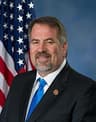 Doug LaMalfa
Republican · California
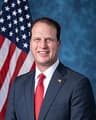 August Pfluger
Republican · Texas
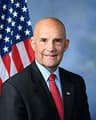 Keith Self
Republican · Texas