Bill · H.R. 2583· House(119-HR-2583)
College Admissions Accountability Act of 2025
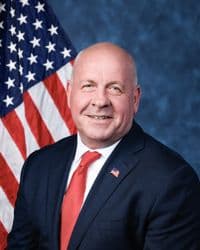
- Introduced
- 4/1/2025
- Last activity
- 4/1/2025 — Referred to the House Committee on Education and Workforce.
- Sponsored by
- David Taylor
- Cosponsors
- - 1 - 0
- Introduced
- In Committee
What this bill would do
This bill establishes the Office of the Special Inspector General for Unlawful Discrimination in Higher Education within the Department of Education. The office is tasked with investigating admissions decisions, policies, and financial aid determinations that may violate the Equal Protection Clause or Title VI of the Civil Rights Act. The Special Inspector General will review federal policies that might incentivize these violations and make recommendations for corrective actions or disciplinary measures. Institutions found in violation may face challenges to their eligibility for federal student assistance or institutional aid. The office includes a mandate to submit quarterly reports to the appropriate committees of Congress. The office is set to terminate 12 years after the date of enactment.
Yes
Does this give the federal government more power?+5
The bill expands federal oversight of higher education through a new Special Inspector General.
Does this make what the government does easier for the public to see?+4
The office is required to submit quarterly reports to Congress regarding its investigations and findings.
The opposite
Does this make college cost less?-2
The bill introduces financial risks to institutions that could indirectly affect student aid availability.
Who it would affect, and how
Potential Positive Impacts for People
-
Protection of Civil Rights: The Special Inspector General is tasked with investigating allegations that admissions decisions, policies, or financial aid determinations violate the Equal Protection Clause or Title VI of the Civil Rights Act (Section 3(d)(1)(A)).
-
Accountability for Institutions: The office can make recommendations regarding disciplinary action for employees of covered institutions who violate these laws (Section 3(d)(1)(C)(ii)).
-
Transparency through Reporting: The Special Inspector General must submit quarterly reports to Congress that include descriptions of allegations received and data regarding the number of violations found, disaggregated by institution (Section 3(g)(1)).
-
Whistleblower Protections: The Special Inspector General is required to maintain the confidentiality of the identity of any person submitting information for the purpose of carrying out their duties (Section 3(d)(4)).
Potential Negative Impacts for People
-
Financial Risk to Institutions: Under the amended Higher Education Act, if the Secretary determines an institution has discriminatory admissions or financial aid practices, that institution may be ineligible to receive federal student assistance or federal institutional aid (Section 3(c)).
-
Increased Oversight of Higher Education: The Special Inspector General has the authority to review any Federal policies and programs that have the effect of incentivizing institutions to violate the Equal Protection Clause or Title VI (Section 3(d)(1)(B)).
Groups and Interests Ranking
Every group the model scored this bill for, from -10 to +10. Hover a score for the reason it gave.
- Governance And Ideology
- Increases Federal Power+5Improves Government Transparency+4
- Education And Technology
- Improves College Affordability-2
- 4/1/2025
- Referred to the House Committee on Education and Workforce.
- 1 Cosponsor added.
- Introduced in House
One bill Congress.gov lists as related to this one — companions in the other chamber, earlier versions, and bills this one absorbed or was folded into.
 Erin Houchin
Republican · Indiana